UK Students Paid £2,000 to Play Computer Games in eSports Drive
Universities and programmes across the UK are offering students up to £2,000 to compete in computer games, signalling a serious push to professionalise eSports talent.



Students Are Being Paid £2,000 to Play Computer Games
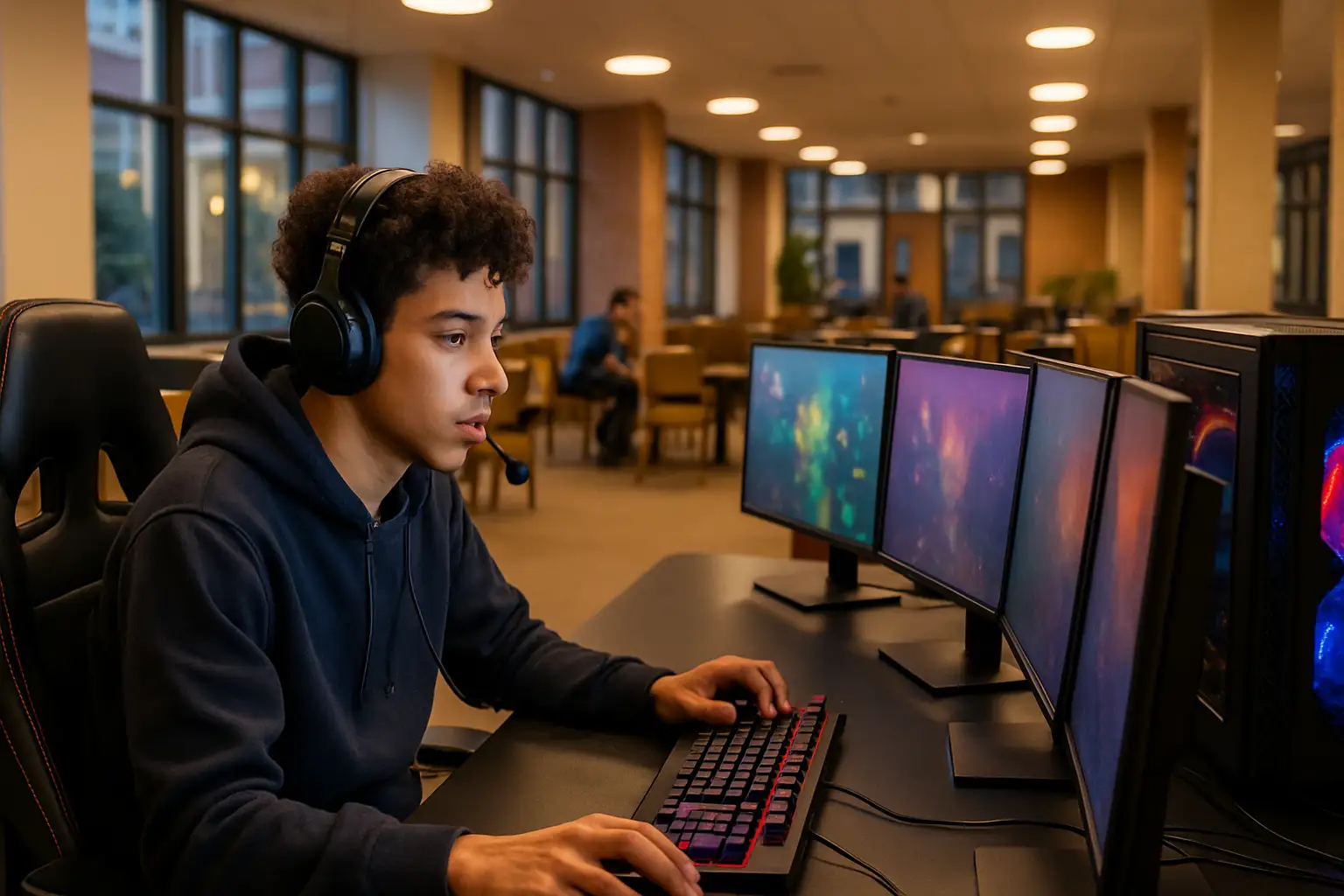
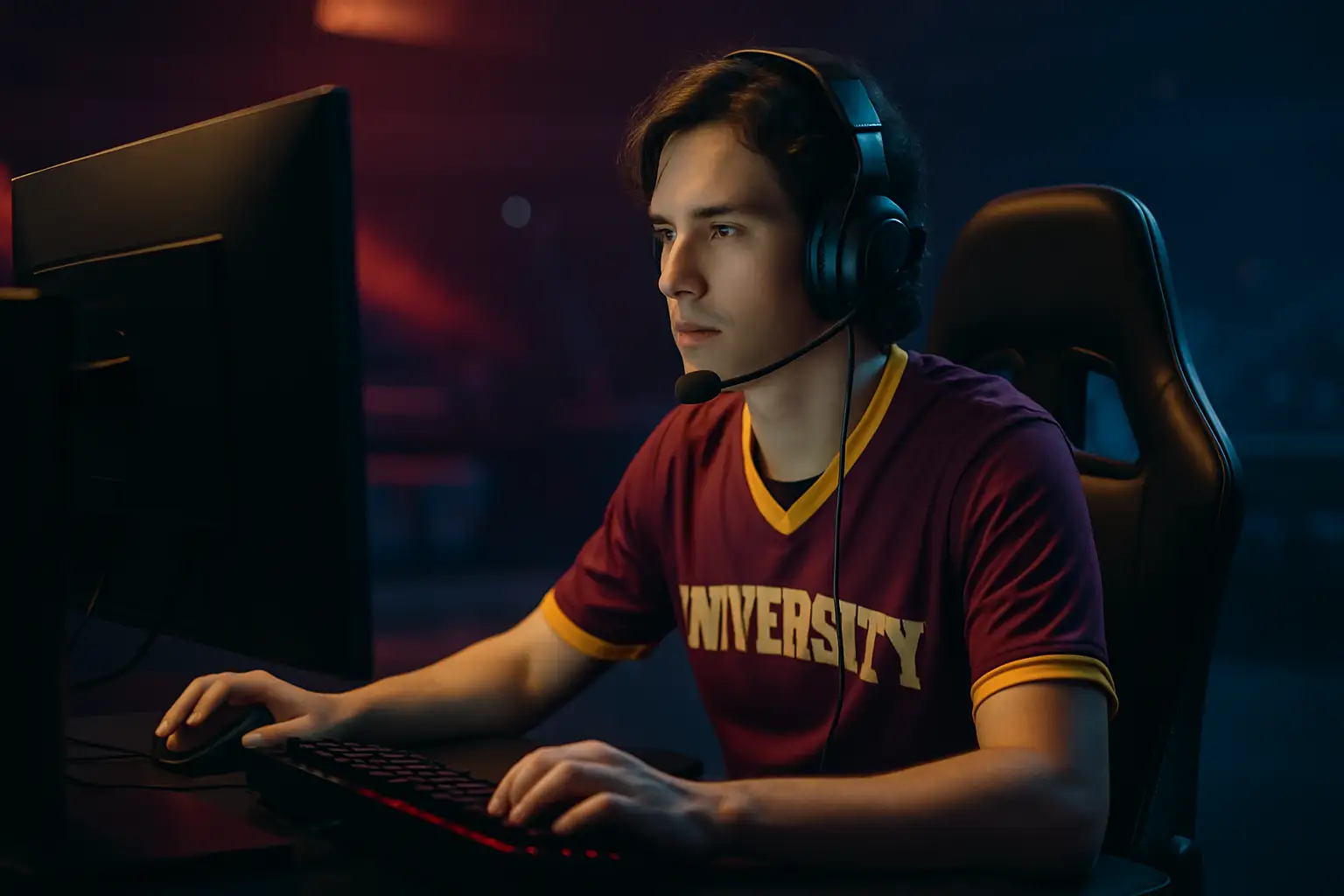
It sounds like a dream arrangement: sit down, pick up a controller, and collect a cheque. But for a growing number of students across the United Kingdom, being paid £2,000 to play computer games is a genuine reality, not a fantasy. According to reporting by the BBC, dedicated eSports scholarships and funded programmes are placing real money in the hands of competitive gaming talent at the student level.
The payments are tied to structured programmes, not casual play. Students who qualify are expected to train seriously, represent their institutions in competitions, and treat eSports with the same commitment a traditional athlete would bring to football or athletics.
How the Money Works
The £2,000 figure represents scholarship or bursary support being offered to students who demonstrate ability in competitive gaming. Universities and colleges backing these schemes see it as a recruitment and retention tool, but also as recognition that eSports demands real skill, strategy, and discipline.
For students, the funding can help offset living costs or course fees, making it a meaningful financial contribution rather than a token gesture. The programmes are typically linked to university eSports teams or national governing structures that organise leagues and tournaments throughout the academic year.
The BBC's coverage highlighted that this kind of institutional support is becoming less unusual. What was once a fringe activity run by student societies is now attracting administrative backing and budget lines at a number of UK institutions.
Why Universities Are Taking eSports Seriously
The broader context matters here. Global eSports revenue runs into billions of dollars annually, and the career pathways that once seemed uncertain, pro player, coach, analyst, content creator, event organiser, are now well-established for those who reach high enough levels.
Universities are responding to student demand as much as anything else. Competitive gaming communities on campuses are large and active. Formalising that interest through funded programmes gives institutions a way to engage a demographic that might not connect with traditional sports.
There is also an academic angle. Some courses in game design, sports science, and business now incorporate eSports as a legitimate area of study. Funding students to compete creates a feedback loop between hands-on competitive experience and classroom learning.
Sceptics have questioned whether public or institutional money should support gaming. Proponents argue the distinction between eSports and conventional sports is increasingly hard to justify. Both require practice, physical coordination, mental endurance, and teamwork. Professional eSports athletes maintain strict regimes covering sleep, nutrition, and reflex training.
What This Means for Competitive Gaming in the UK
The UK has been building its eSports infrastructure steadily. National bodies, university leagues, and grassroots organisations have all contributed to a more structured ecosystem over the past several years. Paid student programmes are one more layer in that structure.
For young players with genuine competitive ability, the £2,000 on offer is less about getting rich and more about validation. It signals that institutions recognise their skill as worthy of investment, the same way a sports scholarship tells a promising athlete that their talent has real value.
It also creates a pipeline. If universities are identifying and supporting talented players at 18 or 19, some of those students may go on to professional careers or roles within the eSports industry, whether in front of a screen or behind the scenes.
The BBC's report reflects a wider media shift too. Stories about eSports are no longer confined to specialist gaming outlets. Mainstream coverage of student gaming scholarships puts the topic in front of audiences who may still think of competitive gaming as a hobby rather than a career path.
For students weighing their options, the message is straightforward: if you are good enough, your university might pay you to prove it.


Football Correspondent
Alex covers football and the global game with fast, sharp analysis.