UK Students Paid £2,000 to Play Computer Games in New eSports Push
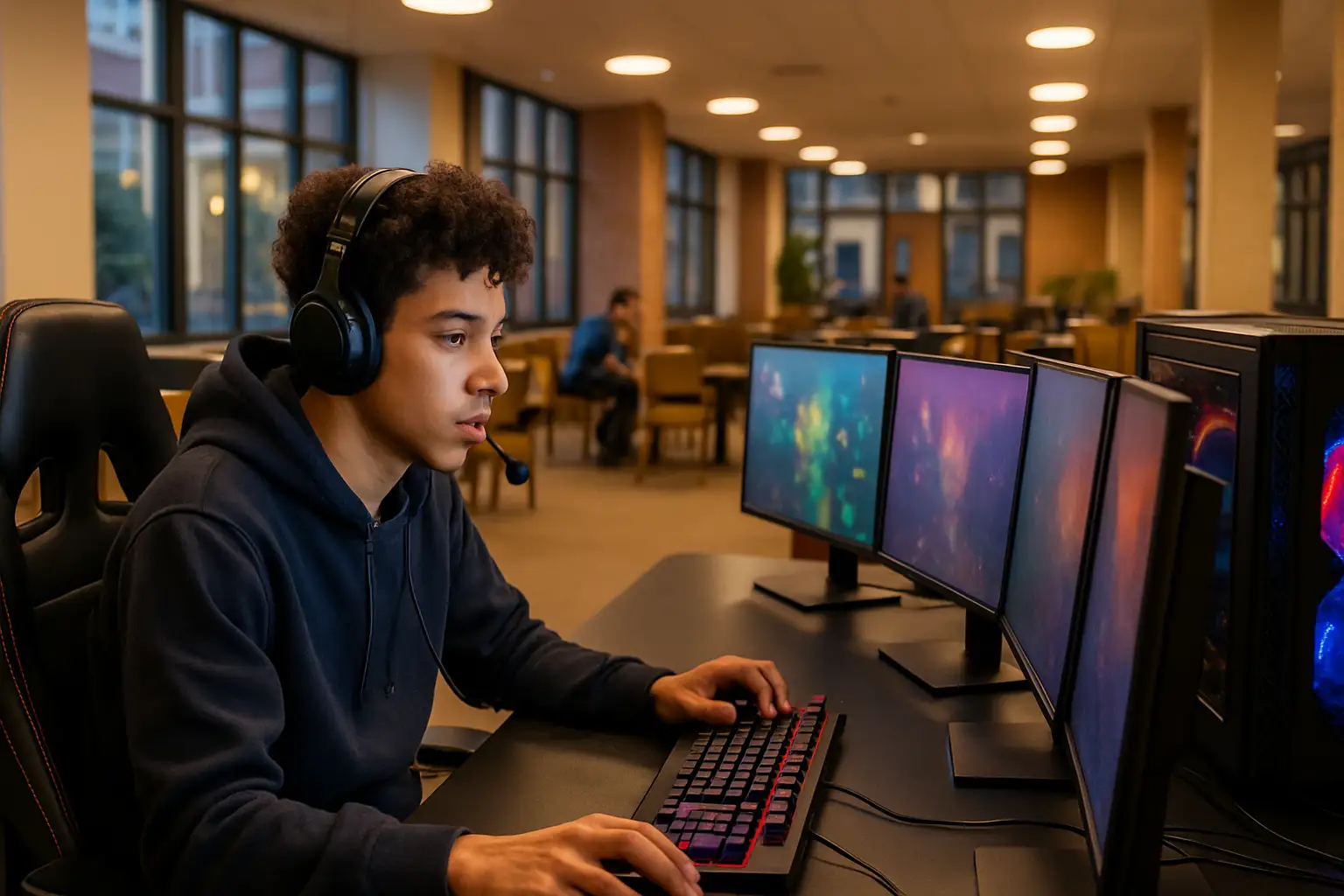
Universities and programmes across the UK are offering students up to £2,000 to compete in computer games, signalling a serious shift in how eSports is treated academically.


Students Are Getting Paid £2,000 to Play Computer Games
For most students, gaming has always been the thing you do instead of studying. That relationship is changing fast. Across the UK, students are now being offered up to £2,000 to play computer games competitively, according to a report by the BBC, as universities and scholarship programmes begin treating eSports with the same seriousness once reserved for traditional sports.
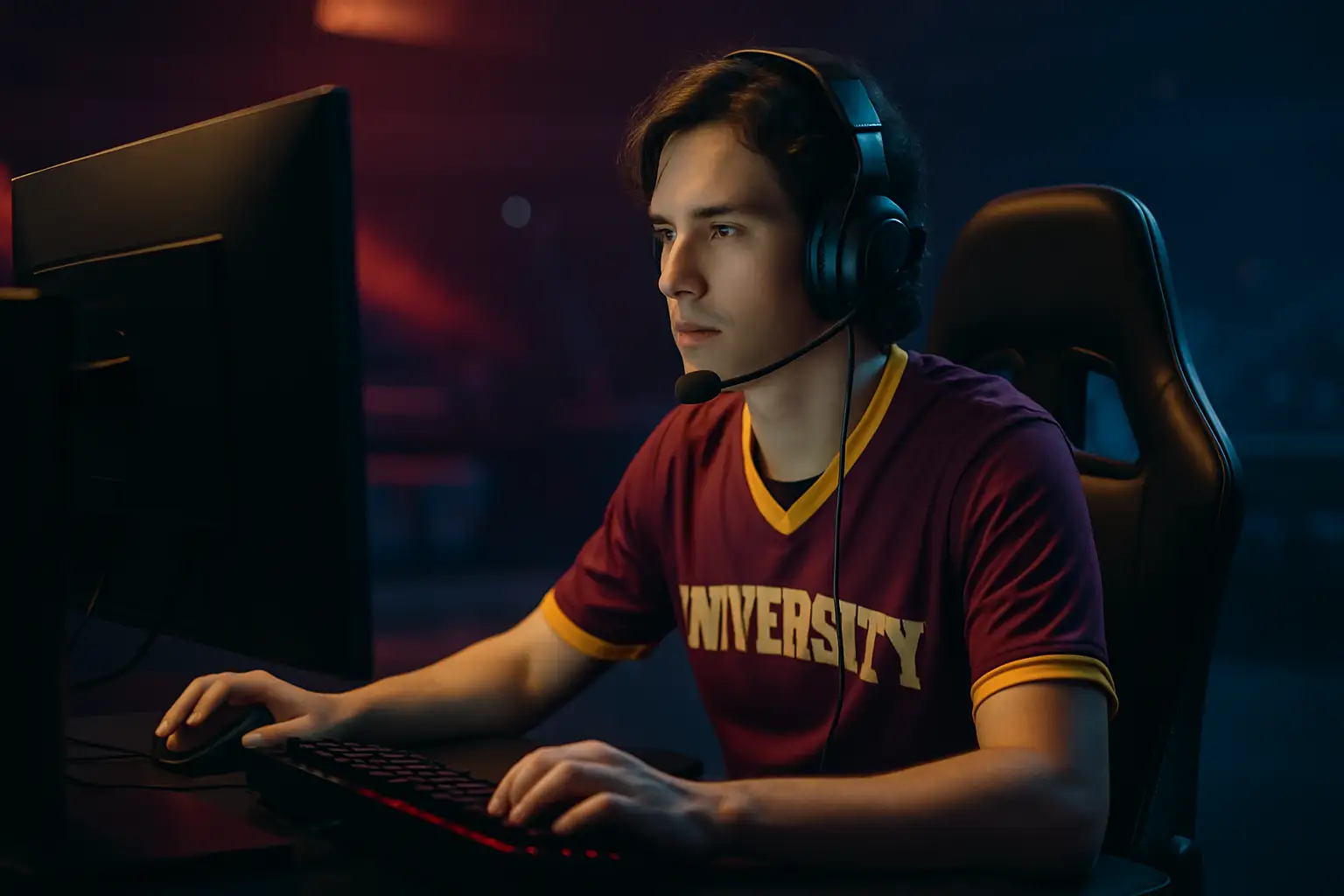
The payments are tied to competitive gaming scholarships and structured eSports programmes, not casual play. Students who qualify are expected to represent their institutions, train regularly, and compete at a organised level. It mirrors the model long used in American universities, where athletic scholarships for sports like basketball and football have funded students for decades.
Why Universities Are Investing in eSports
The logic behind the funding is straightforward. eSports has grown into a global industry worth billions, and universities want to prepare students for careers inside it, whether as players, coaches, event managers, broadcasters, or analysts. Offering financial incentives attracts talented players who might otherwise overlook a particular institution.
For students already spending significant hours gaming, a scholarship reframes that time as a legitimate, career-relevant activity. It also gives institutions a recruitment edge in an increasingly competitive higher education market.
eSports programmes at UK universities have multiplied over the past several years. Dedicated facilities, coaching staff, and formal team structures have followed. The £2,000 figure represents a meaningful contribution to student living costs, particularly at a time when financial pressure on students is well documented.
What Students Actually Have to Do
This is not a payment for simply owning a console or having a high rank in a casual online lobby. Students receiving these scholarships are expected to commit to their institution's eSports team in a structured way. That includes training schedules, team matches, and representing the university in competitions against other institutions.
The games involved tend to be titles with established competitive scenes, such as League of Legends, Rocket League, and Valorant, where skill gaps between players are measurable and tournaments are organised through recognised bodies.
Some programmes also require students to maintain academic standards, similar to conditions attached to traditional sports bursaries. The dual commitment is deliberate. Universities are not simply rewarding gaming skill in isolation. They are building a pipeline for an industry that needs people who can perform under pressure and work within a team structure.
A Broader Shift in How Gaming Is Seen
The BBC's reporting on this reflects something wider happening in public perception. Gaming, long dismissed as a distraction or a solitary habit, is being reassessed by educational institutions, employers, and policymakers.
Professional eSports players can earn salaries that rival those in conventional sports at the top level. Streaming, content creation, and team management have created entire career categories that did not exist fifteen years ago. Universities recognise that students arriving with strong gaming skills and competitive experience have attributes, including fast decision-making, communication under stress, and strategic thinking, that transfer well to other industries too.
For students eyeing a career in eSports or adjacent fields, a funded place on a university team offers something beyond the money. It provides structure, coaching, and a network inside an industry where who you know still matters enormously.
The £2,000 scholarship figure is a signal, not just a payment. It says that competitive gaming has crossed a threshold in the UK, from hobby to funded discipline. Whether more universities follow and whether the amounts increase will depend on how the broader eSports industry develops over the next few years.


Football Correspondent
Alex covers football and the global game with fast, sharp analysis.