Ceferin Warns Infantino to Remember His European Roots Over World Cup Sale Push
UEFA president Aleksander Ceferin has publicly reminded FIFA chief Gianni Infantino of his European origins amid controversy over plans to sell a commercial stake in the World Cup.



Ceferin Takes Aim at Infantino Over World Cup Commercialization
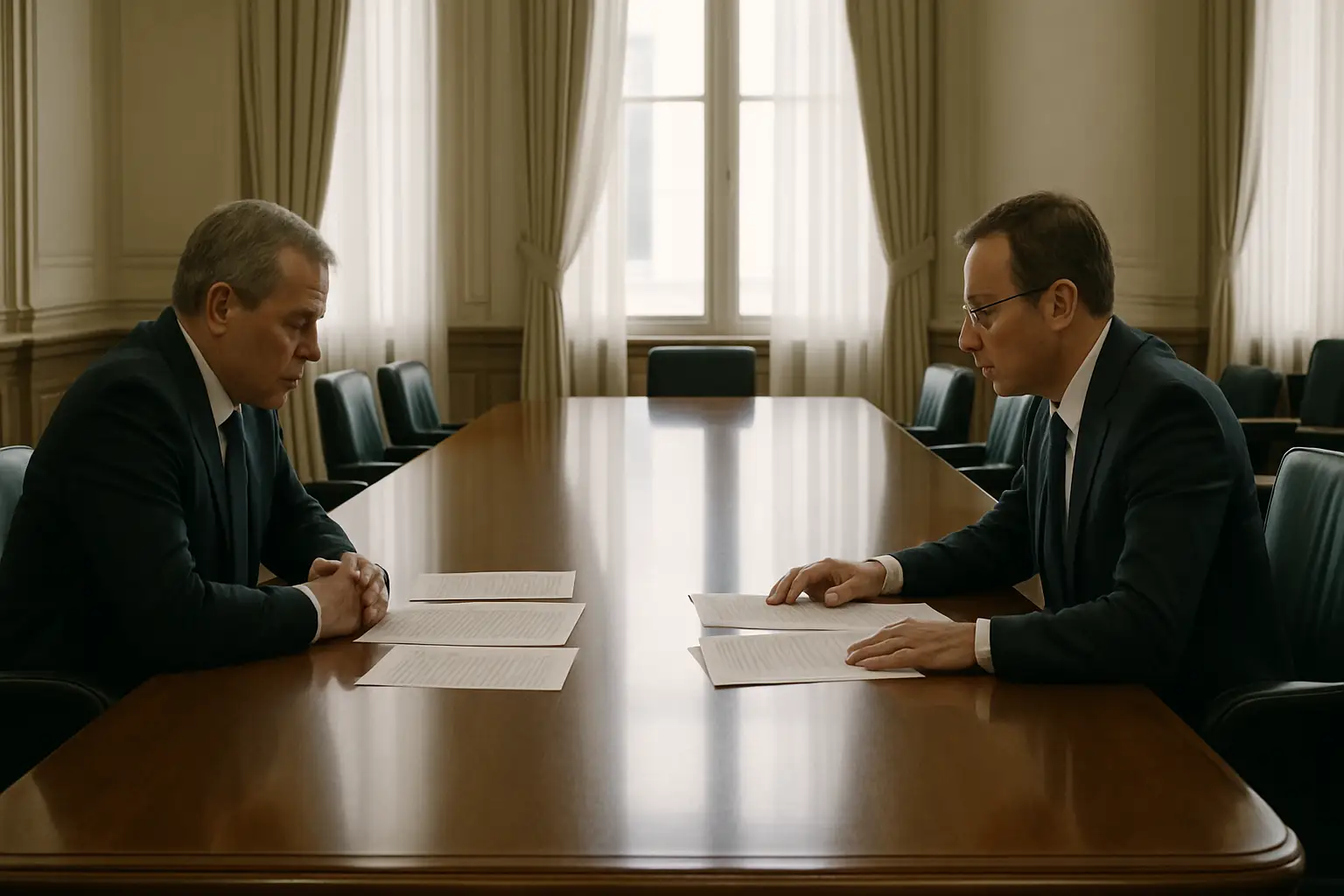
UEFA president Aleksander Ceferin has delivered a pointed public rebuke to FIFA president Gianni Infantino, telling the Swiss-Italian football chief that he must not forget where he comes from. The remarks, reported by the BBC, come in the wake of Infantino's push to sell a commercial stake in the FIFA World Cup, a move that has drawn sharp criticism from European football's governing body.
Ceferin's message was direct: Infantino, who was born in Switzerland and built his career in European football before ascending to lead FIFA in 2016, should bear his European background in mind as he pursues deals that many in the European football community view with deep suspicion.
The comments mark another chapter in the increasingly tense relationship between UEFA and FIFA under Infantino's leadership, a relationship that has been strained by repeated disagreements over the direction of the global game.
What the World Cup Stake Proposal Involves
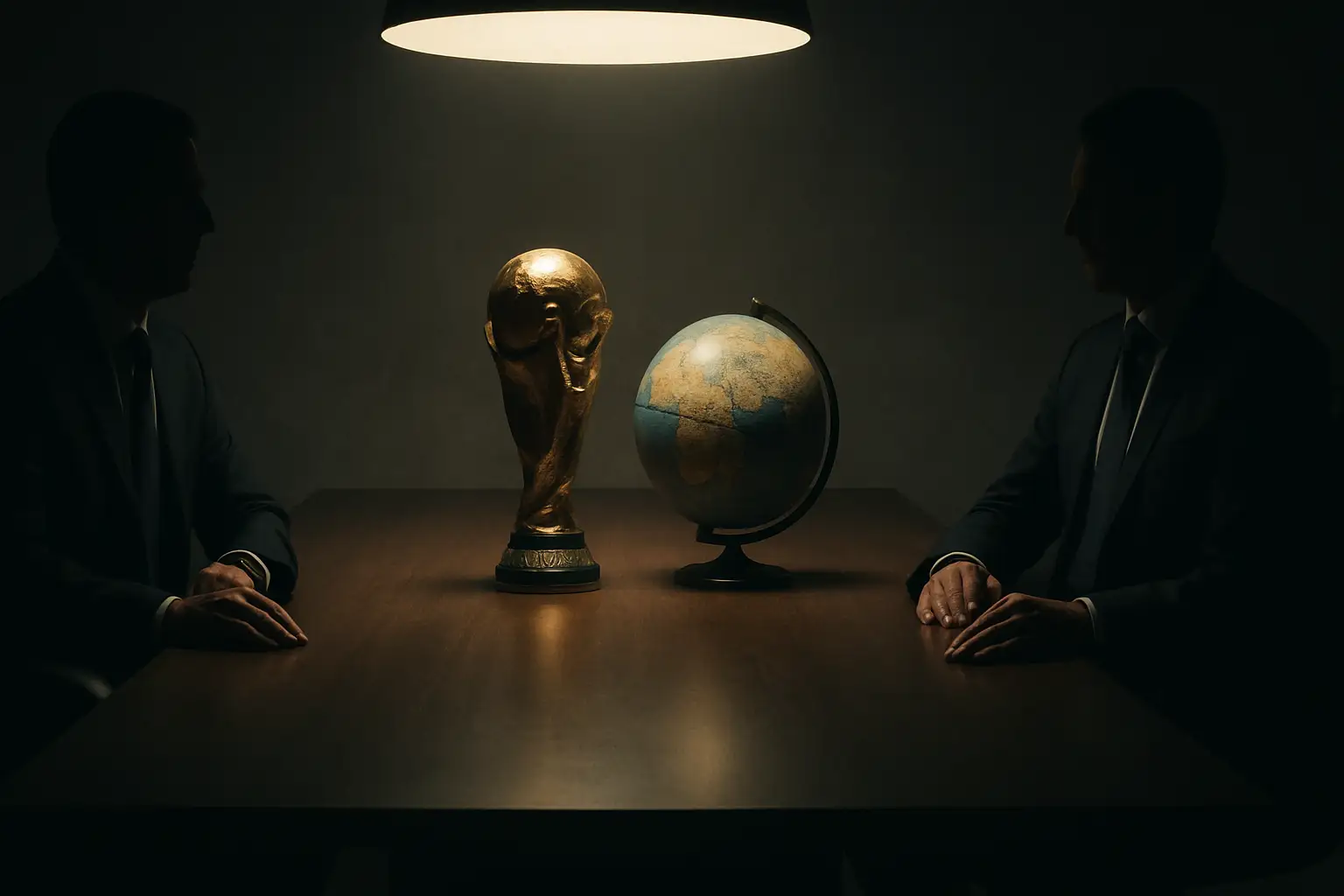
Infantino has been pushing to bring in outside investors by offering a commercial stake in the World Cup, the most valuable sporting property in football. The proposal would involve private capital gaining a share of revenues generated by the tournament, a concept that European football officials have resisted strongly.
Critics of the plan argue that opening the World Cup to external investors fundamentally changes the nature of the tournament and could compromise decisions about how the competition is run and how its revenues are distributed. For UEFA and many of its member associations, football's showpiece event should remain under the full control of the football community rather than being shaped by the priorities of outside financial interests.
FIFA has not publicly confirmed the precise terms or potential partners involved in the proposed deal, but reports of active discussions have been enough to prompt a firm reaction from Ceferin.
A Personal Message With a Political Edge
By choosing to frame his criticism around Infantino's personal background, Ceferin went beyond a standard institutional objection. Reminding the FIFA president that he is European is, in effect, a call for him to apply a set of values that European football institutions say they hold dear, including transparency, solidarity, and the principle that football's profits should cycle back into the game rather than flow to private investors.
The two men have clashed before. Infantino's expansion of the Club World Cup to 32 teams, his plans for a revamped international calendar, and his broader strategy of chasing new revenue streams have repeatedly put him at odds with Ceferin and UEFA. The European body has consistently positioned itself as a defender of the existing football ecosystem against what it characterizes as FIFA's commercially driven overreach.
Ceferin's latest remarks suggest that tension is not easing. If anything, the prospect of the World Cup being partially sold to outside investors has sharpened his language considerably.
European Football Watches Closely
The stakes are significant. The FIFA World Cup generates billions of dollars in broadcasting and sponsorship revenue across each four-year cycle. Any structural change to how that money is owned or distributed would have ripple effects across the entire sport, including the funding that flows to national associations, development programs, and ultimately to clubs and players.
European football's major stakeholders, including clubs, leagues, and national federations, will be monitoring how far Infantino takes his commercialization plans. UEFA's role as a counterweight to FIFA's leadership has become more pronounced in recent years, and Ceferin has shown no reluctance to use his platform to apply pressure publicly.
For now, the BBC's reporting of Ceferin's remarks puts the dispute squarely in the open. Whether Infantino responds, and how, will be a signal of how far he is willing to push ahead with a proposal that has already rattled European football's establishment.


Football Correspondent
Alex covers football and the global game with fast, sharp analysis.