Netherlands Take Early Lead as Tunisia Score Own Goal at 2026 World Cup
The Netherlands grabbed an early advantage in their 2026 FIFA World Cup group stage match after Tunisia's defense handed them a goal through an own goal.


Tunisia's Own Goal Gives Netherlands the Advantage
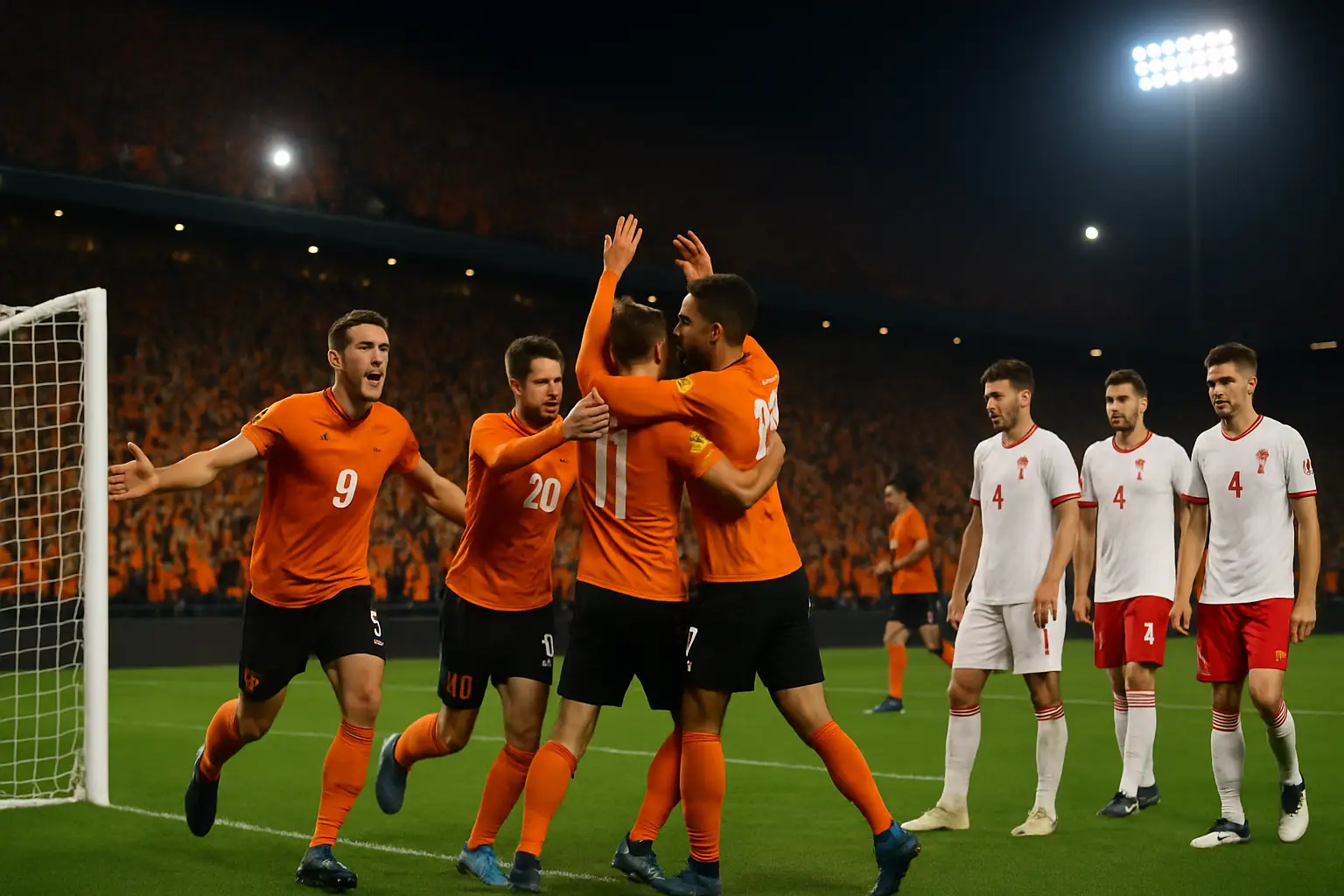
The Netherlands made a sharp start at the 2026 FIFA World Cup, taking an early lead against Tunisia after the opposition's defense put the ball into their own net. The own goal handed the Dutch side a fortunate but decisive opening in what was a tense group stage encounter, as reported by FOX Sports.
Own goals at major tournaments are rarely forgotten. For Tunisia, it was the worst possible way to fall behind - a defensive error rather than a moment of individual Dutch brilliance setting the tone early. For the Netherlands, it did not matter how the goal went in. A lead is a lead, and getting on the board first in a World Cup group stage match carries significant weight.
The Dutch squad came into the tournament among the more fancied sides in their group, with a roster built around experienced European club talent. Tunisia, representing the African continent, faced a steep task from the opening whistle against a Netherlands side known for its organized pressing and attacking width.
How the Own Goal Unfolded
The details from the opening phase of the match showed the Netherlands applying pressure high up the pitch, forcing Tunisia into uncomfortable defensive situations. That pressure eventually told when a Tunisian defender turned the ball into his own net, giving the Dutch the early breakthrough they were pushing for.
Early goals in World Cup fixtures can reshape the entire shape of a game. Trailing sides are forced to open up, which in turn creates space for opponents to exploit on the counter. The Netherlands, with their technical quality, are well-equipped to take advantage of a team forced to chase the match.
For Tunisia, recovering from such an opening setback required composure and a tactical response. Conceding an own goal adds a psychological layer on top of the tactical challenge, since there is no clear individual mistake to correct at halftime - only a broader defensive collapse to address.
Netherlands' World Cup Campaign in Focus
The 2026 FIFA World Cup, co-hosted across the United States, Canada, and Mexico, features an expanded format with 48 teams competing across an extended group stage. With more teams now advancing beyond the groups compared to previous editions, every point still matters in determining seeding and knockout-round positioning.
The Netherlands have a long history at the World Cup, having reached three finals across their tournament appearances without ever lifting the trophy. The 2026 edition presents another opportunity for the Dutch to push deep into the knockout rounds with a squad capable of competing against any side in the field.
Tunisia, meanwhile, have qualified for the World Cup on multiple occasions and are no strangers to the tournament stage. Their challenge in a group containing the Netherlands is to recover quickly from setbacks like an early own goal and find a way to manufacture their own attacking moments.
The first goal of any World Cup match sets a narrative, and Tunisia giving the Netherlands a free early lead through their own defensive error placed the African side on the back foot from the opening exchanges. Whether they could respond and change the story of the match remained the central question as the game progressed.


Football Correspondent
Alex covers football and the global game with fast, sharp analysis.