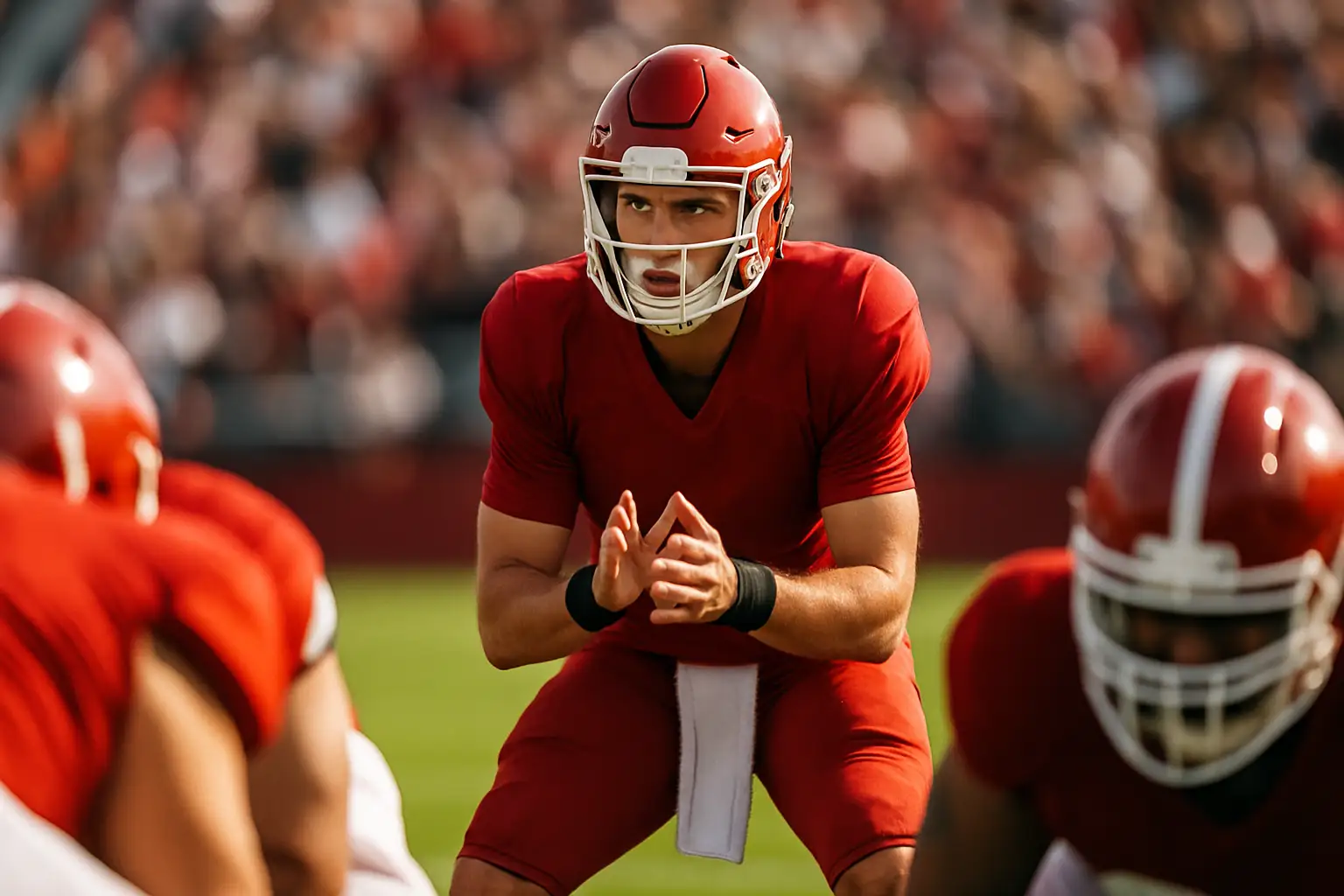
Top College Football Transfers: Players Who Followed Their Coaches
Among the most notable college football transfers this cycle, a clear pattern stands out: many top players moved specifically to stay with their head coach.
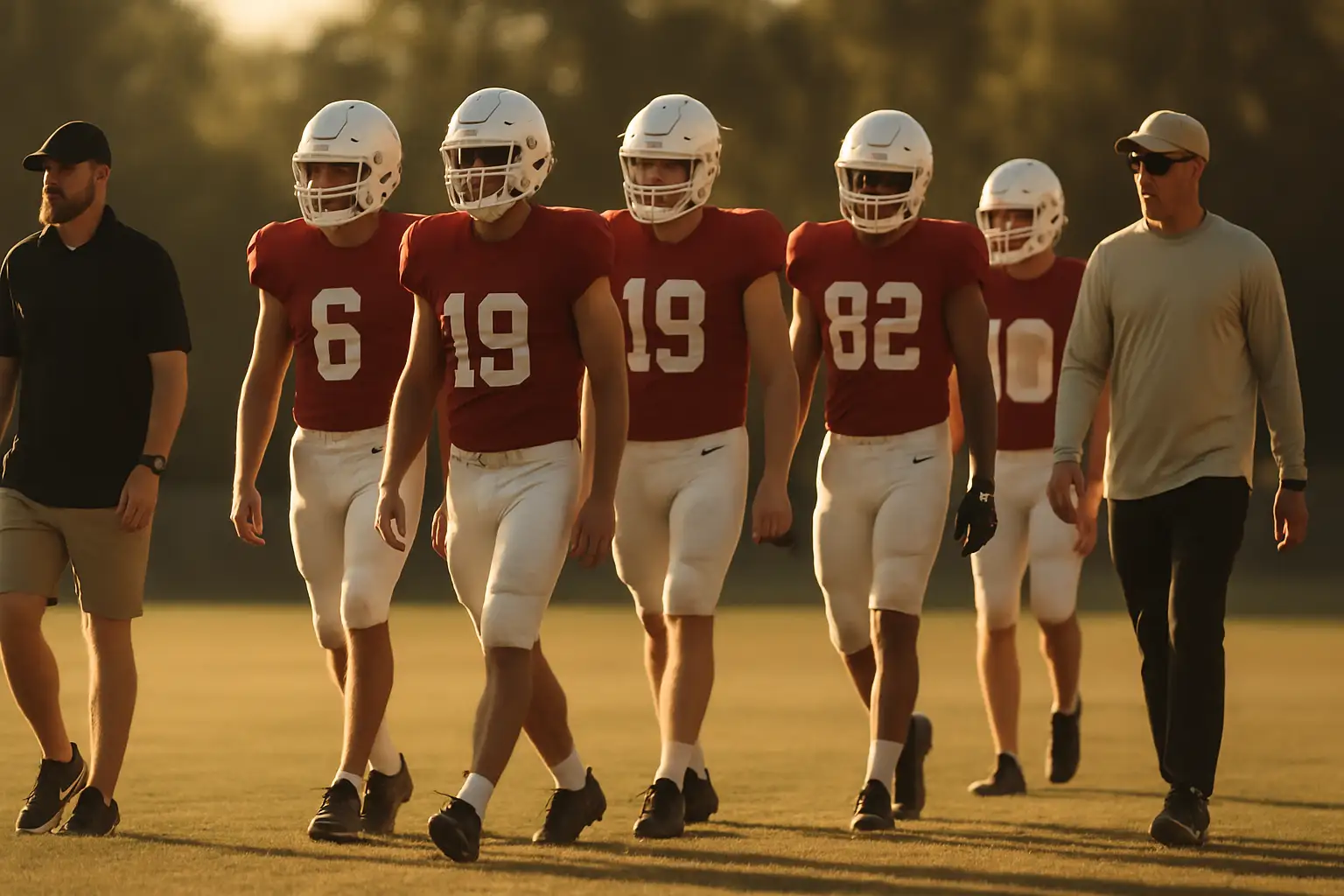


The college football transfer portal has reshaped roster-building across every level of the sport, but one trend keeps surfacing at the top of the rankings: players choosing their next school based on where their coach landed, not the other way around.
According to reporting by the Anchorage Daily News, several of the highest-profile transfers in college football this cycle involve players who followed their coaches to a new program rather than independently seeking a fresh opportunity.
Coach Loyalty Driving Transfer Decisions
The loyalty dynamic flips the traditional script. For decades, coaching changes meant uncertainty for rosters - players stayed put or entered the portal looking for the best fit. Now, a growing number of athletes are treating their relationship with a specific coach as the primary factor in where they play next.
This makes practical sense. A player who has already built trust with an offensive coordinator or a head coach does not have to spend months learning a new system, adjusting to a different communication style, or proving himself in a fresh environment. The relationship is already established, and both sides benefit from continuity.
The trend is particularly visible among skill-position players, who tend to have the tightest working relationships with offensive coaches. A wide receiver who has spent a season running routes in a specific scheme, or a quarterback who has internalized a coach's footwork and read progressions, carries real value when that coach takes over a new program.
What This Means for College Football Rosters
For programs losing a coach, the ripple effect can be significant. When a staff departs, the transfer portal essentially opens a window for players to reconsider everything. A head coach who jumps from a mid-major to a Power Four school, or from one conference to another, can arrive with built-in roster pieces already committed.
That changes the recruiting calculus for incoming staffs. Rather than spending the first signing period scrambling to fill gaps left by departing players, coaches who bring key transfers with them can focus portal energy on specific needs rather than wholesale roster reconstruction.
It also puts pressure on players who stay behind. When a significant portion of a team's starters follow a coaching staff out the door, the players who remain are suddenly competing for new roles under a new system, sometimes at a program that is rebuilding from scratch.
The Bigger Picture for the Transfer Portal
The portal was introduced to give players more control over their careers, and in many ways it has delivered on that promise. But the coach-following pattern reveals something that pure free-agency logic might not predict: relationships matter as much as program prestige or conference affiliation for a large subset of players.
That reality has started to influence how coaches recruit in the first place. Building genuine player relationships - not just offering scholarships - has become a retention tool that travels across jobs. A coach who earns real loyalty does not just hold a roster together during a season. That loyalty can follow him to his next stop and give a new program an immediate talent injection.
For fans and analysts tracking the portal, the coach-following transfers are often the most predictable moves once a staff change is confirmed. The athletes who spent the most time with a departing coordinator or head coach are the ones worth watching in the days immediately after an announcement.
As roster movement continues through the off-season, the pattern identified by the Anchorage Daily News is likely to remain one of the defining features of how top college football talent gets redistributed each year.


Football Correspondent
Alex covers football and the global game with fast, sharp analysis.