Reuters and the 2026 FIFA World Cup: Covering the Biggest Tournament Ever
Reuters has deployed reporters, photographers, and data teams across the 2026 FIFA World Cup, the largest in the tournament's history, to deliver global coverage.



The Biggest World Cup Ever Needed a Major Reporting Operation
The 2026 FIFA World Cup is the largest in the tournament's history, expanding to 48 teams and spreading matches across three host nations: the United States, Canada, and Mexico. For a news organization like Reuters, covering an event of this scale requires planning, logistics, and editorial coordination on a level that rivals any major international story.
Reuters has publicly detailed how it approached coverage of the tournament, offering a look at the scale of resources the wire service committed to reporting on what FIFA itself has billed as its most ambitious World Cup to date.
How Reuters Organized Its World Cup Coverage
According to Reuters, the agency deployed journalists, photographers, and video teams across multiple host cities to ensure comprehensive, real-time reporting throughout the tournament. The expanded 48-team format means more matches, more venues, and more storylines running simultaneously compared to previous editions, which topped out at 32 teams.
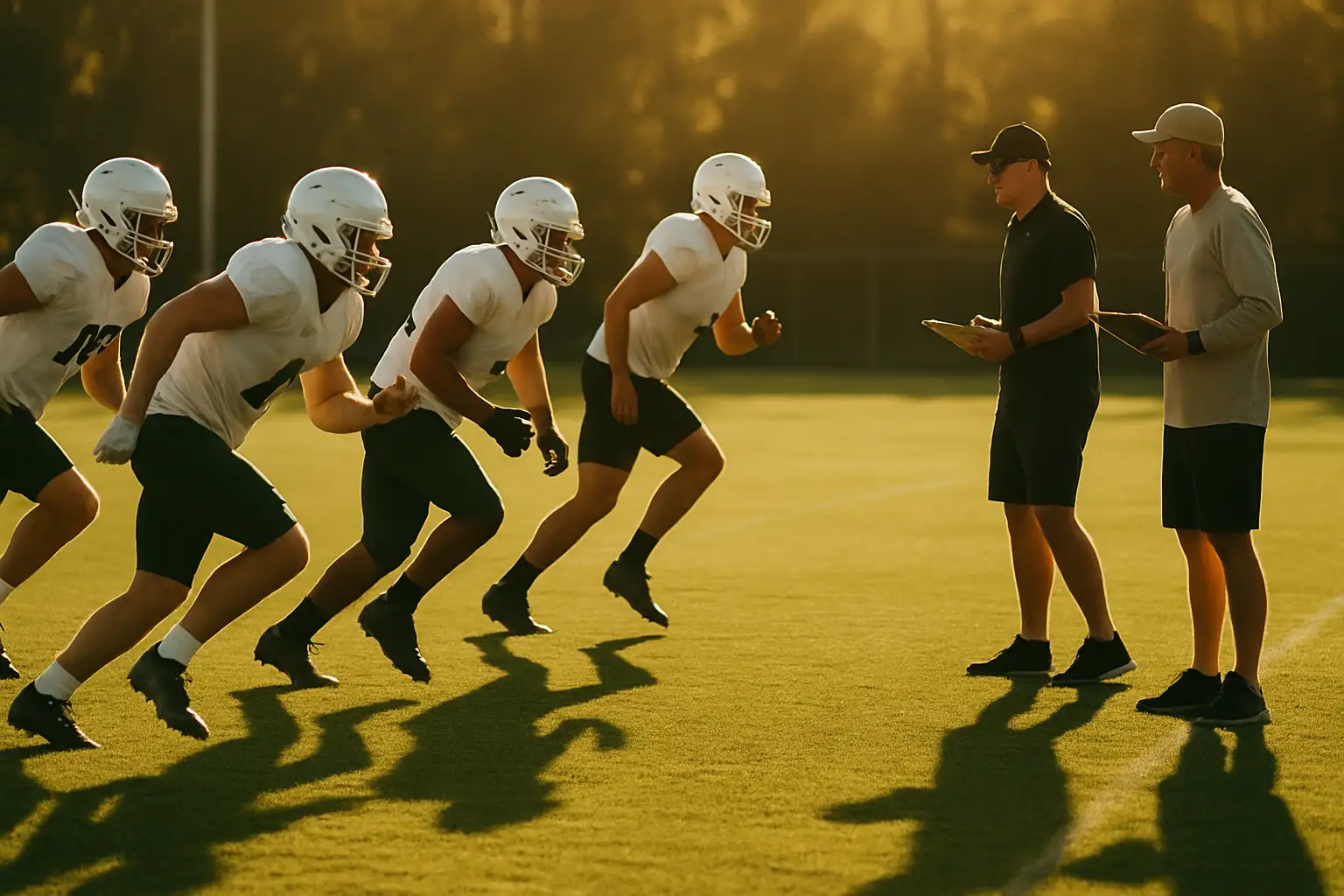
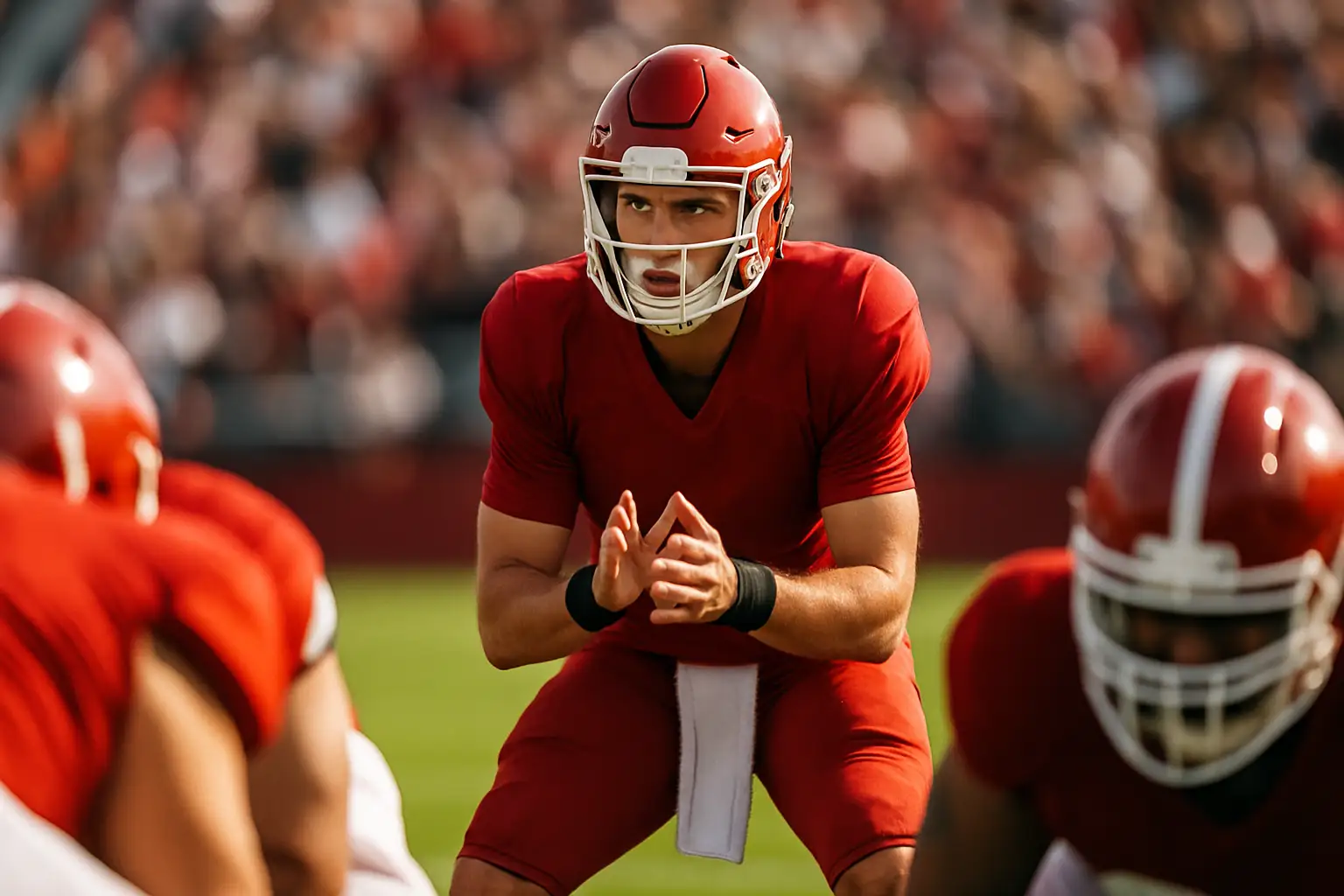
Reuters has covered every group stage match, knockout round, and major press conference, building out both written reports and visual content for its global network of media clients. Sports photography is a particular focus for Reuters at major tournaments, and the World Cup is no exception. Photographers are stationed at stadiums to capture goals, celebrations, and the emotional moments that define international football at the highest level.
Data and statistics reporting also forms a core part of the operation. As football journalism has grown more reliant on performance metrics, expected goals, and player tracking data, Reuters has integrated that layer of analysis into its tournament dispatches.
Three Countries, One Tournament
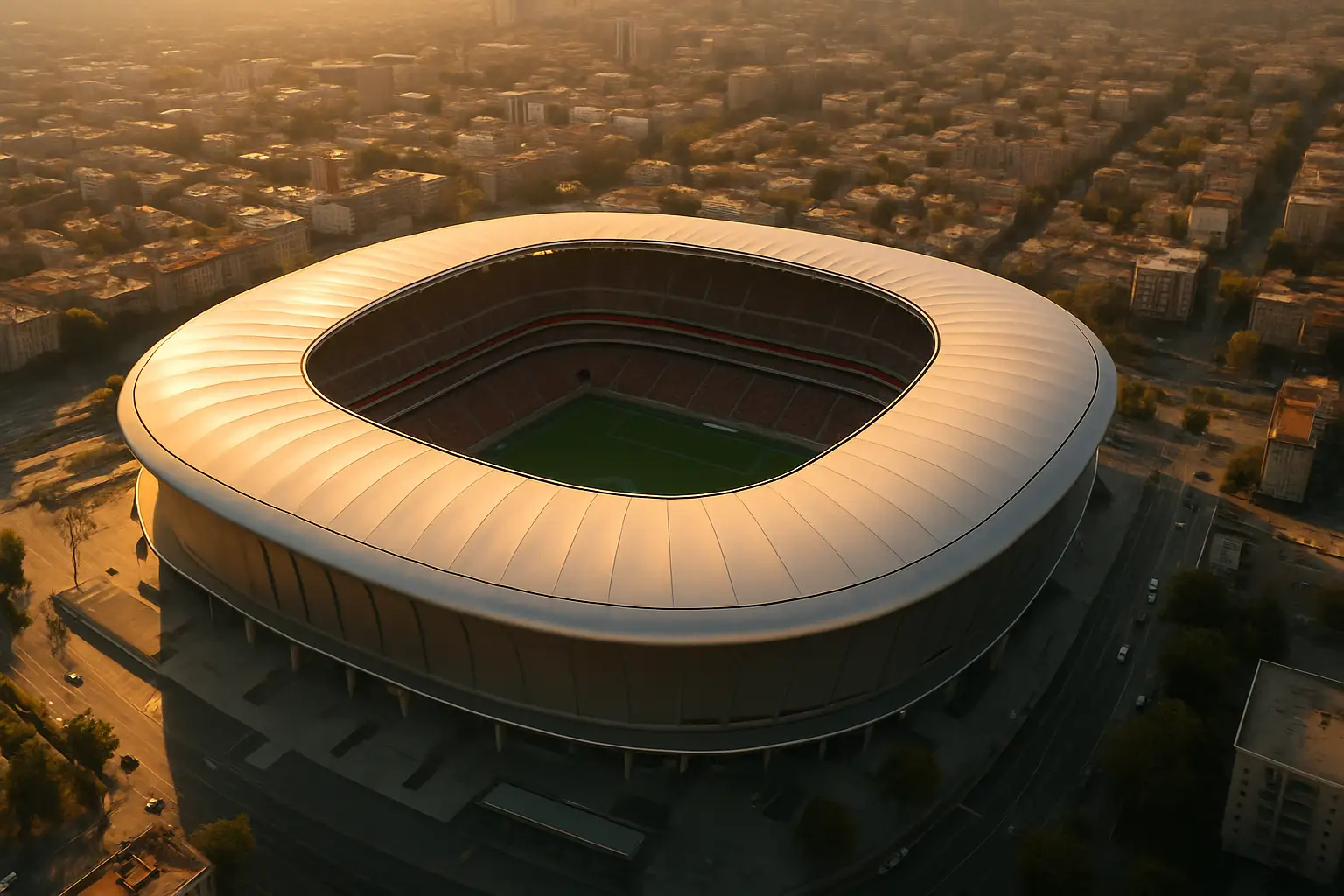
The tri-nation hosting arrangement presented a logistical challenge that no previous World Cup has required. Matches played in Vancouver, New York, Los Angeles, Mexico City, and other cities across the continent mean that journalists cannot simply base themselves in one location and cover proceedings from a central hub.
Reuters addressed this by spreading its teams across host cities rather than centralizing coverage. That approach allows for on-the-ground reporting from the actual venues, rather than relying on remote filing or pooled content, which matters to the broadcasters and publishers that pay for wire service content.
The sheer number of participating nations also broadens the audience for every match. A 48-team tournament draws in fanbases from countries that would not have qualified under the old 32-team structure, which in turn expands the potential readership for any given match report.
Wire Services and the World Cup
Reuters occupies a specific place in football journalism. Unlike broadcasters or dedicated sports outlets, wire services supply raw reporting, photos, and video that other publications then use to build their own coverage. That means Reuters journalists are rarely the bylines readers see directly, but their work underpins an enormous share of the World Cup stories published globally.
For the 2026 edition, Reuters noted that the scale of the tournament made planning especially critical. With games running across time zones within North America, and a schedule that at times features multiple matches happening in parallel, the editorial logistics are complex. Editors need to triage which matches demand live attention and which can be handled through post-match reports.
The agency's coverage also extends beyond the pitch. Political and economic angles, including debates over tournament costs, infrastructure spending across three host nations, and FIFA governance, fall within the reporting scope. Reuters correspondents in Washington, Ottawa, and Mexico City have been positioned to cover those threads alongside the sporting action.
The 2026 World Cup is expected to run through the final in July, giving Reuters and other major outlets months of continuous coverage. For a wire service built on speed, accuracy, and volume, a 48-team, three-country tournament is both the ultimate stress test and the kind of sustained news event that justifies large editorial investments.


Football Correspondent
Alex covers football and the global game with fast, sharp analysis.