
Football
How the FIFA World Cup Has Shifted American Views on Soccer
The FIFA World Cup has long been a flashpoint for debates about soccer's place in American sports culture. Is the needle finally moving?
By Alex Rivera3 min read
Topic
The FIFA World Cup has long been a flashpoint for debates about soccer's place in American sports culture. Is the needle finally moving?
Carlsberg is banking on tight operational controls and FIFA World Cup momentum to drive performance in the second half of the year, according to a report by The Star.
World Cup tourists spent more per night at hotels during the tournament, but shorter stays meant occupancy gains were modest, according to CoStar analysis.

A major anti-trafficking operation in Fort Worth produced 56 arrests during the World Cup period, highlighting law enforcement efforts tied to the global soccer tournament.
With the FIFA World Cup concluded, attention shifts to the transfer market as several standout players from the tournament are linked with Premier League moves.
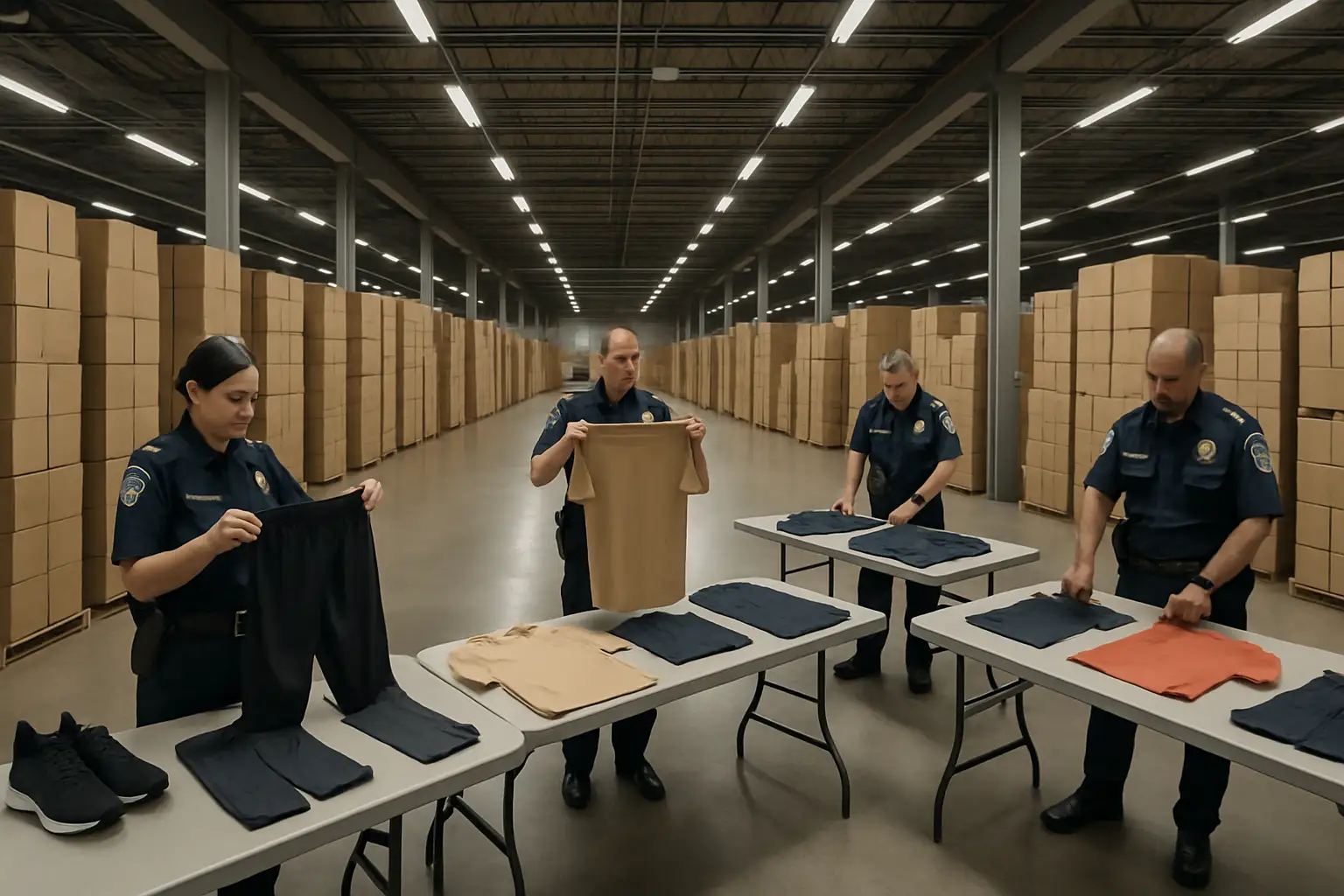
US federal authorities intercepted roughly $33 million worth of counterfeit FIFA World Cup merchandise at the country's borders, a major enforcement push ahead of the tournament.

Security officials at the 2026 World Cup have flagged Lionel Messi as the player receiving the most threats, while Cristiano Ronaldo is drawing the most intense and extreme attention from fans.

Despite the FIFA World Cup bringing global attention to the region, Rockland County hotels failed to see a significant bump in room occupancy during the month-long tournament.
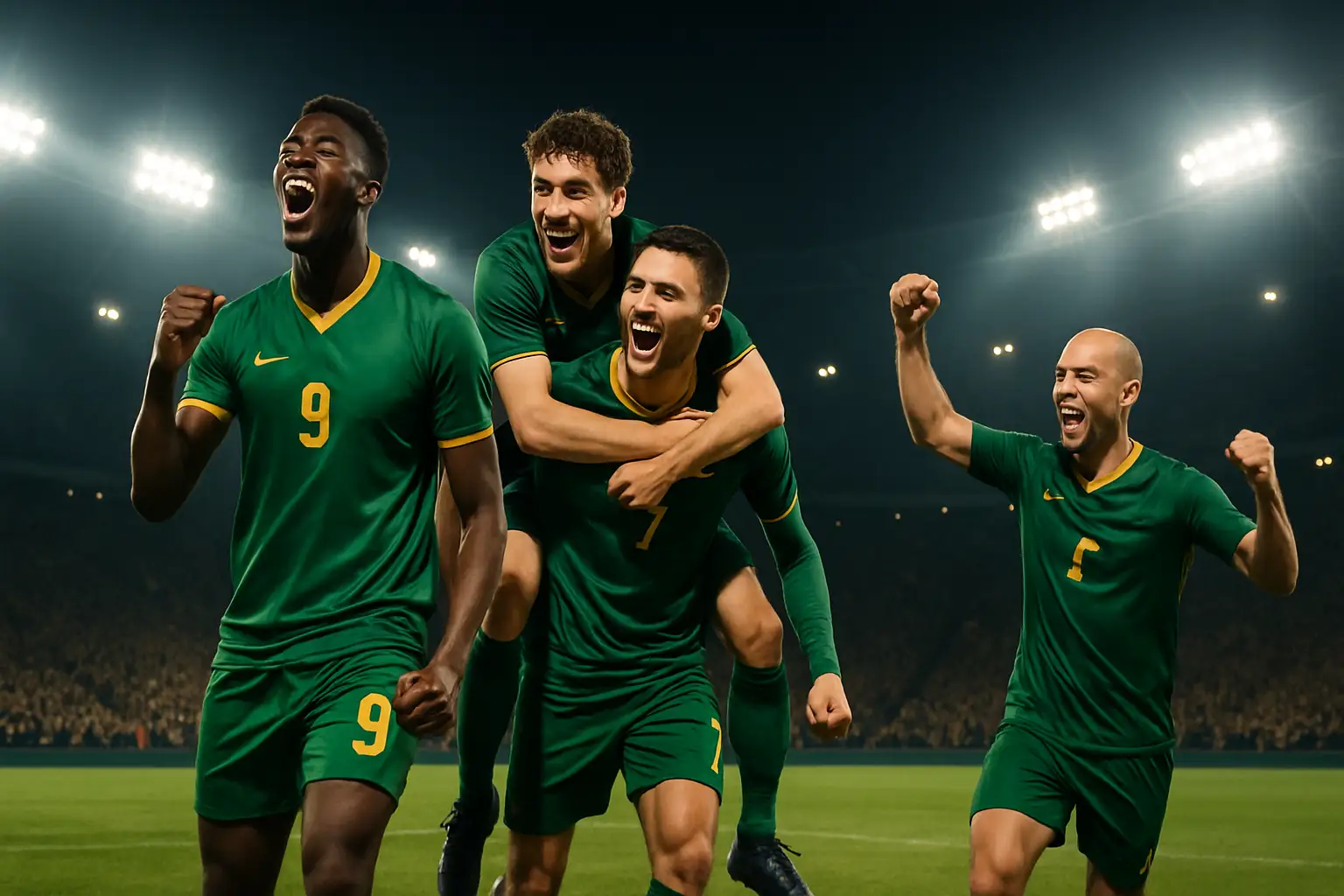
Australian football is entering a new era. A $57 million transfer surge signals the start of a broader Socceroos revolution, according to CODE Sports.
Snap exceeded second-quarter revenue expectations, with FIFA World Cup advertising spending credited for boosting the social media company's shares.
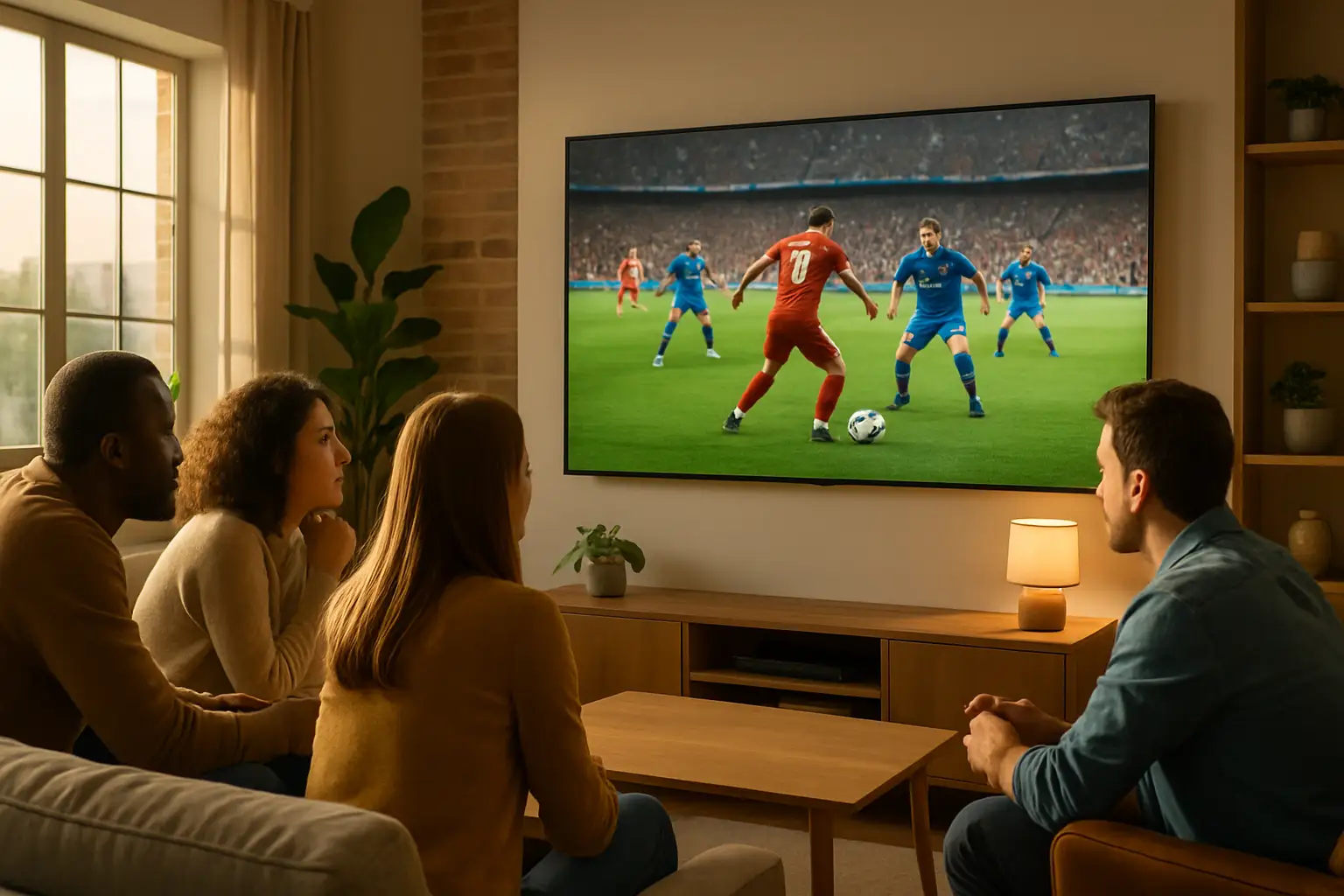
Australian broadcaster SBS has reported its largest FIFA World Cup audience reach on record, marking a milestone for both its content strategy and broadcast technology.
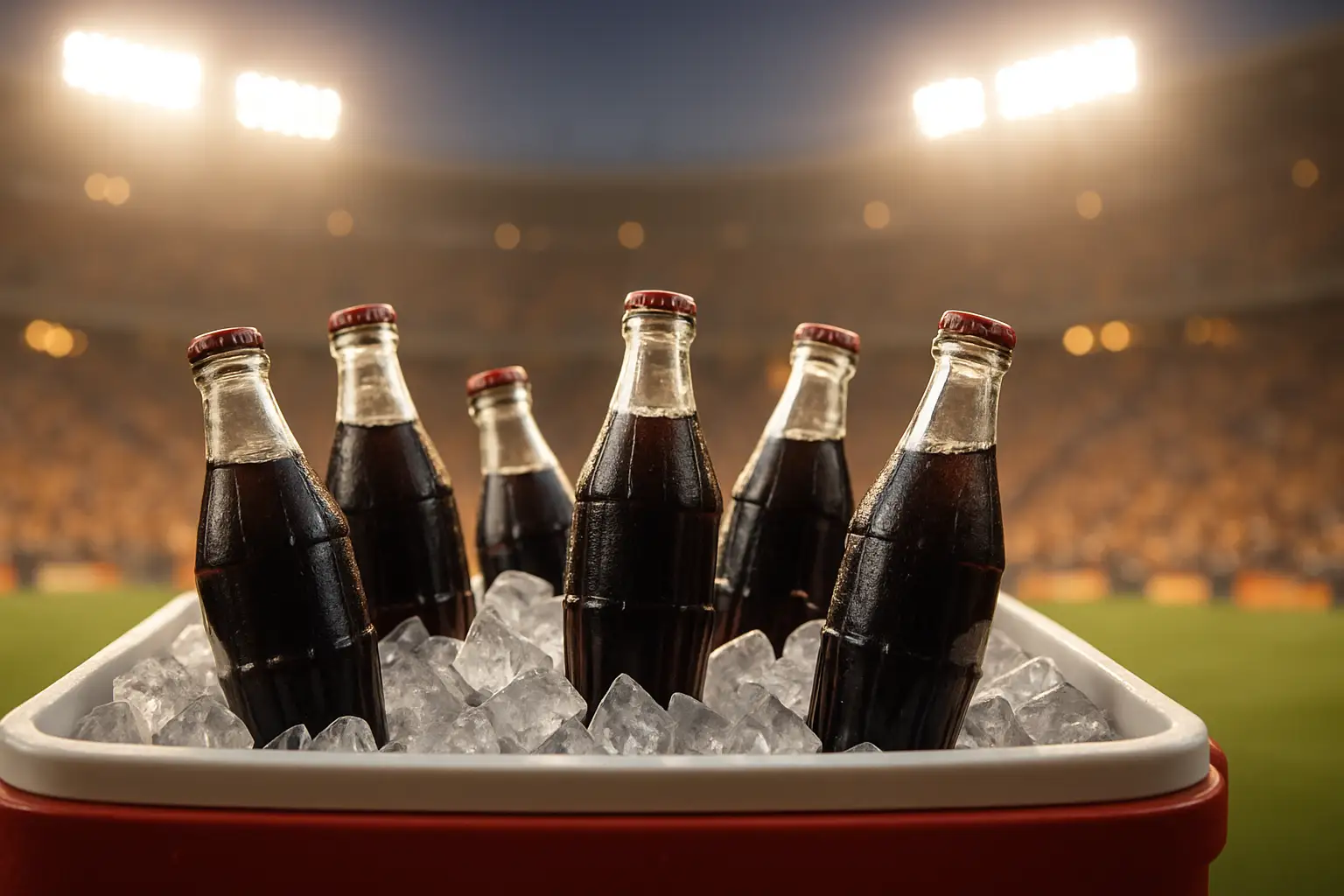
Coca-Cola reported that the FIFA World Cup drove stronger sales of its flagship soda, underlining how major sporting events can shift consumer demand globally.