World Cup Lighter Whistle Driving Faster, Fiercer Play in 2025
A lighter refereeing touch at the World Cup is producing a faster, more physical tournament, with fewer stoppages allowing the game to flow at a higher tempo.


Referees Are Letting the Game Breathe
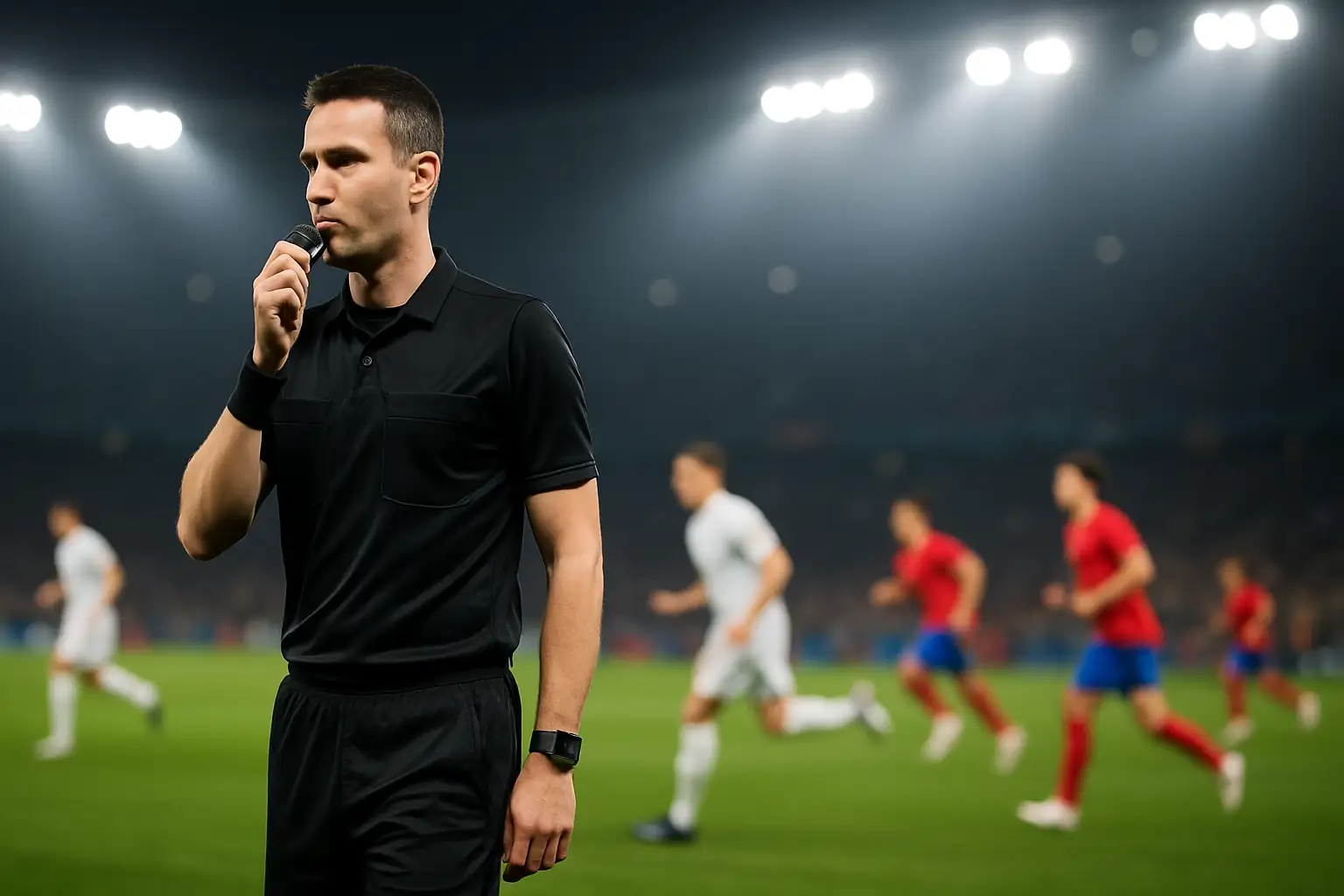
The World Cup is producing a faster and fiercer brand of football this year, and one factor stands out from the rest: referees are blowing their whistles far less. According to Reuters, the tournament's lighter officiating approach is directly contributing to a more free-flowing, physical spectacle that fans and analysts have noticed across multiple matches.
Fewer interruptions mean longer passages of play, higher pressing intensity, and more transitions - the kind of end-to-end action that separates a memorable tournament from a forgettable one. Teams are adapting quickly, knowing they can push the boundaries of physical contact without an immediate stoppage.
What a Lighter Whistle Actually Means
Referees at this World Cup are allowing more contact before intervening. Challenges that might have earned a free kick in previous tournaments are being played through, keeping momentum with the attacking team and rewarding sides that press high and recover the ball quickly.
This is not a free-for-all. The shift is more subtle - a recalibration of where the threshold sits between a foul and a 50-50 battle. The effect, though, is significant. Games are running hotter, with players committing to challenges they would previously have expected to win via a referee's decision rather than a foot race.
The approach aligns with a broader push from football's governing bodies to reduce cynical fouling and keep the ball in play for longer periods. Stopping the clock for every minor clash was a criticism leveled at previous major tournaments, where the actual ball-in-play time lagged well behind the 90 minutes on the scoreboard.
A More Physical, Higher-Tempo Tournament
The on-field results of this officiating philosophy are visible. Matches are being decided in tighter windows, with teams unable to kill off passages of dangerous play simply by going to ground. Defensive units have to be sharper and more organized, because they cannot rely on the whistle to bail them out.
For attacking players, the environment is both an opportunity and a test. More space to operate in transition comes with the trade-off of absorbing harder challenges without guaranteed protection. Technical players who shy away from contact will struggle; those who can hold the ball under physical pressure are thriving.
Reuters reported that the faster pace is fueling a fiercer competitive atmosphere throughout the draw, with margins between sides appearing smaller as a result of the refereeing style. A team that might previously have managed a game through tactical fouling now has to defend with genuine defensive structure.
Context: Why This Shift Matters
The debate over how tightly referees should control physical play has run through football for decades. Purists argue that too much protection for attackers removes athleticism and bravery from the game. Others counter that without protection, skilled players get hacked out of matches.
At this World Cup, the balance appears to have shifted toward rewarding physical commitment. Whether that proves to be the right call will depend partly on injury data by the end of the tournament. A lighter whistle that produces great football but a casualty list of key players carries its own costs.
What is clear from Reuters' reporting is that the officiating approach is not accidental. It reflects a deliberate set of guidelines given to referees ahead of the competition, designed to produce a specific style of game. The early signs suggest it is working in terms of spectacle, even if it leaves some players and coaches frustrated in the heat of individual matches.
For supporters watching, the payoff is straightforward. Less time waiting for free kicks to be taken, less time watching players roll around, and more time watching football played at pace and intensity. That is what a World Cup is supposed to deliver.


Football Correspondent
Alex covers football and the global game with fast, sharp analysis.