Why the World Cup Third-Place Match Still Matters
The World Cup third-place match gets dismissed as a consolation game, but there are real reasons why it carries weight for players, nations, and the tournament itself.


The Game Nobody Wants to Play, But Everyone Watches
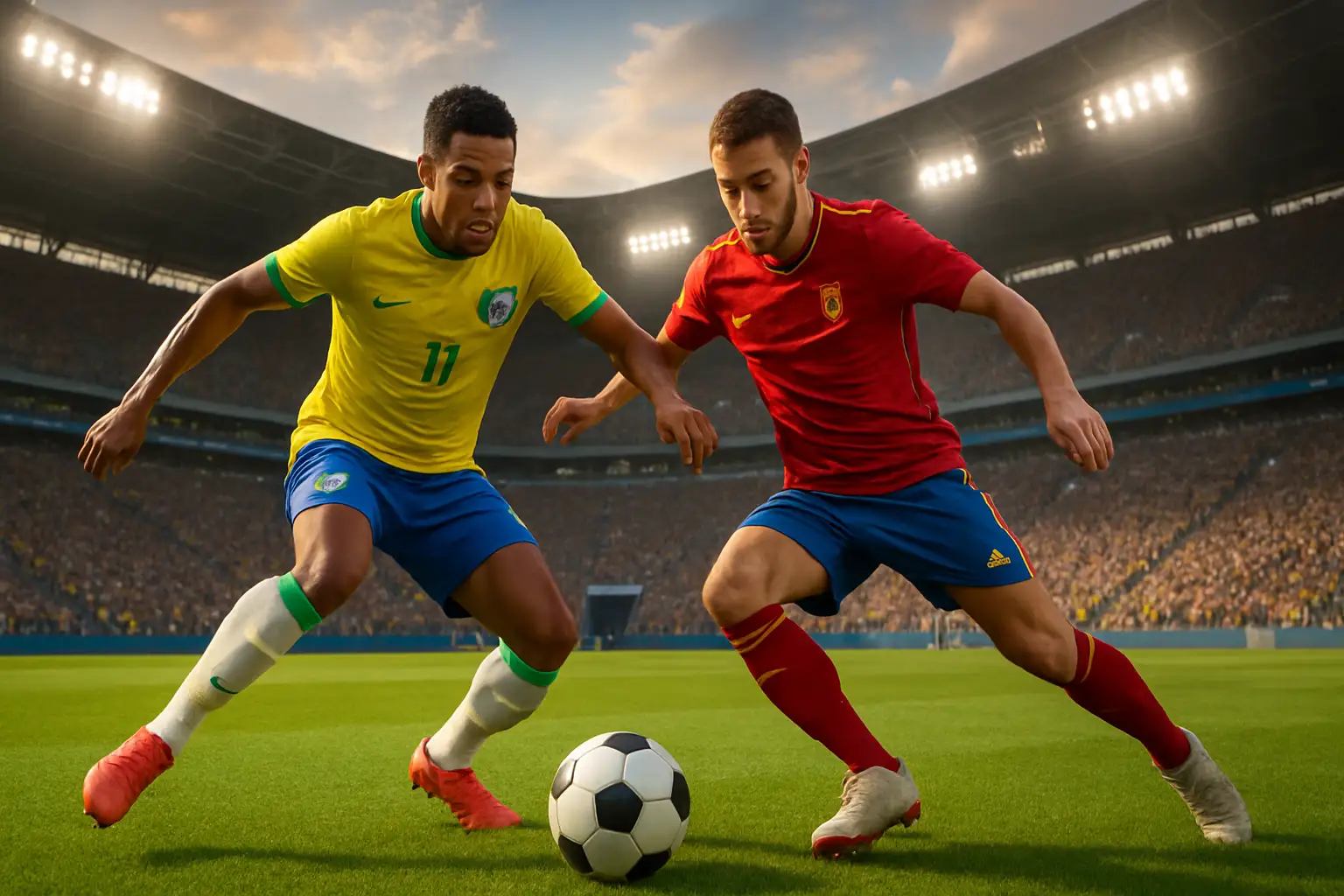
The World Cup third-place match has a reputation problem. Teams arrive having just lost a semifinal, coaches rotate squads, and critics argue the result changes nothing. Yet broadcast numbers consistently show tens of millions of viewers tuning in, and for the players and nations involved, the difference between third and fourth place is anything but symbolic.
According to reporting by NBC 6 South Florida, the match continues to generate debate about its value, but the arguments for keeping it on the schedule remain strong.
What Is Actually at Stake
For players, a World Cup bronze medal is a career-defining achievement. Most professionals go their entire careers without reaching the final four of a World Cup. Finishing third is a concrete, documented result that sits in record books permanently. Fourth place earns nothing, no medal, no podium moment, no tangible hardware to point to.
For national federations, third place carries financial implications. FIFA distributes prize money based on finishing position, and the gap between third and fourth is measurable. Smaller football associations can feel that difference in their development budgets for years after the tournament ends.
There is also the matter of FIFA rankings. World Cup results feed directly into the global ranking calculations that determine seeding for future qualifying campaigns and tournament draws. A single position difference at a World Cup carries more weight in those calculations than a dozen friendlies.
Player and Fan Perspectives
The criticism that players do not care is worth examining more carefully. Some squads genuinely use the match to give minutes to players who did not feature heavily in the knockout rounds. That is a legitimate tactical decision, not a sign of disrespect toward the competition. Young players getting their first World Cup starts in a third-place match have gone on to build international careers partly on the confidence gained from that experience.
Fans travel thousands of miles and spend significant money to attend World Cups. For supporters of both nations in the third-place fixture, the match represents a final chance to celebrate their team on the biggest stage in football. Stadiums for these matches are typically full, the atmosphere is genuine, and goals are scored, often more freely than in the tension-filled semifinal that preceded it.
The viewing public responds accordingly. Third-place matches at recent World Cups have drawn audiences that most domestic league games cannot approach.
The Broader Tournament Argument
Removing the third-place match would leave a four-day gap in the schedule between the second semifinal and the final. Tournament organizers and host nations rely on that fixture to maintain commercial momentum, keep international media present, and give sponsors additional inventory. Those practical realities are rarely part of the romantic debate about the game's merit, but they keep it on the calendar.
There is also a competitive integrity argument. A tournament that crowns a champion but refuses to formally distinguish between the remaining semifinalists sends a mixed message about how seriously it takes its own results. Third place is still an elite outcome in a competition that begins with dozens of nations.
NBC 6 South Florida noted the ongoing conversation around the match's relevance, a debate that surfaces every four years and never quite resolves itself. The fixture survives each cycle because enough stakeholders, players, fans, federations, and broadcasters, find genuine value in it.
The bronze medal game is not the final. It never pretends to be. But for the two nations playing in it, the result will be the first line of their World Cup story for the next four years.


Football Correspondent
Alex covers football and the global game with fast, sharp analysis.