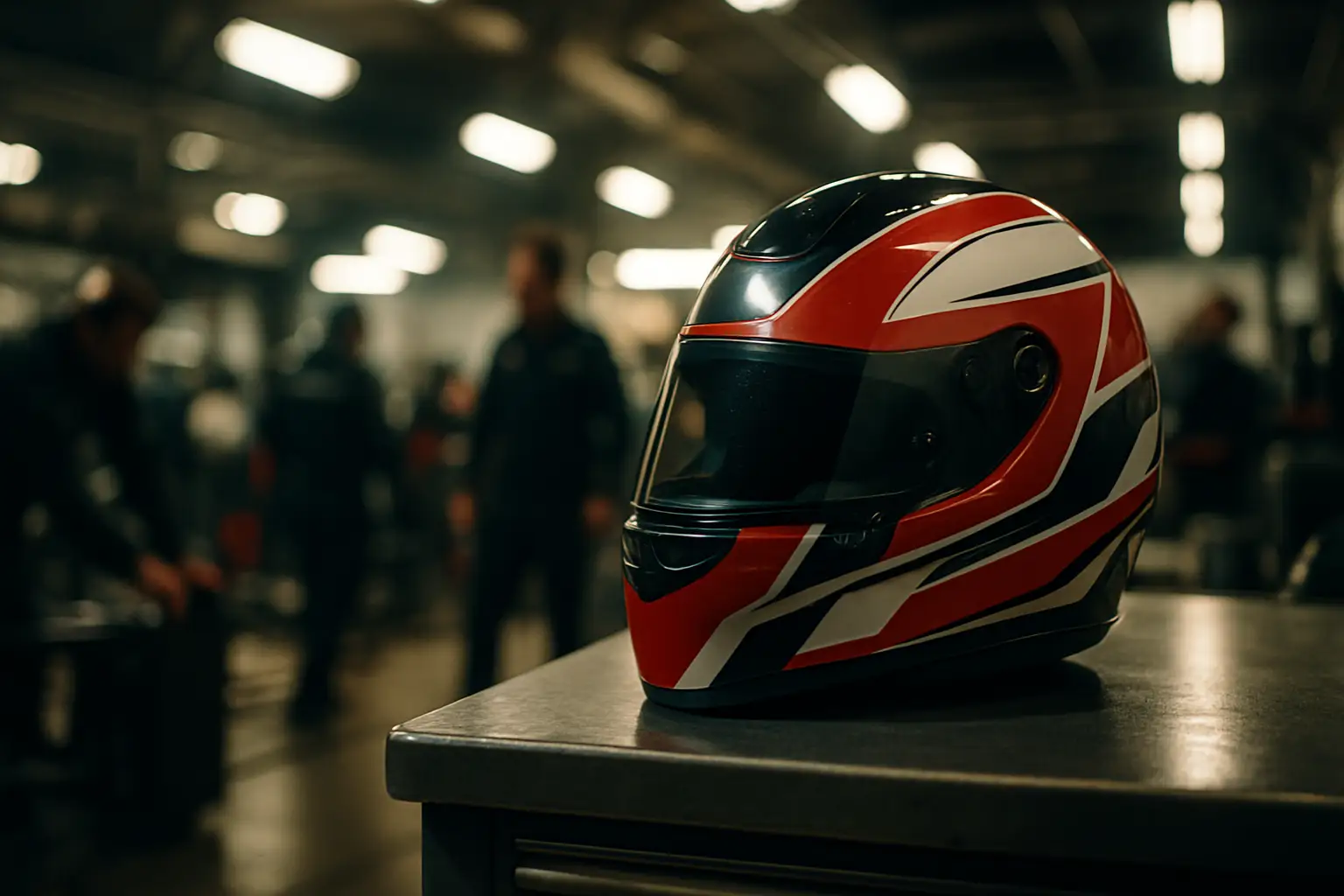
Marco Bezzecchi Opens Up on Overthinking Struggle in MotoGP
Marco Bezzecchi has spoken candidly about battling his own mindset during a difficult period in MotoGP, admitting he found it hard to stop overthinking on track.
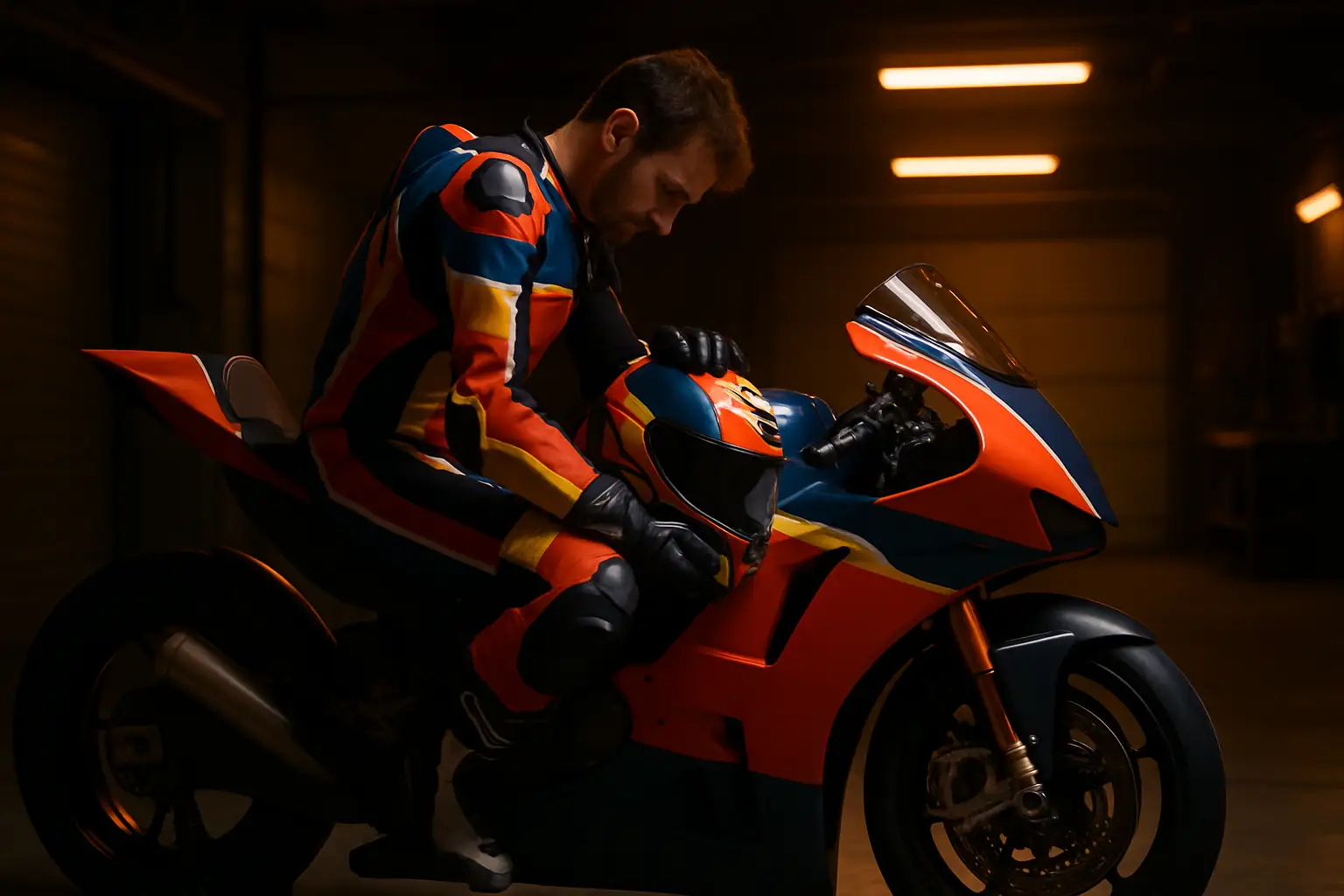


Bezzecchi Reveals the Mental Battle Behind His Tough Patch
Marco Bezzecchi has spoken openly about one of the toughest challenges he faced during a difficult stretch in MotoGP: his own head. The Italian rider admitted he struggled to "stop overthinking" while going through a rough patch, a confession that sheds light on how much the mental side of racing can weigh on even established grand prix competitors.
According to reporting by Motorsport.com, Bezzecchi acknowledged that the tendency to overanalyze his riding and situation made an already hard period even harder. Rather than trusting his instincts, he found himself caught in loops of second-guessing that affected his performance and confidence on the bike.
It is a candid admission from a rider who had previously shown real promise in the premier class, having pushed for victories and podiums in earlier seasons. The fact that he is now talking about the mental weight he carried suggests the period was more damaging than raw results alone might indicate.
Overthinking as a Racer's Hidden Enemy
In high-stakes motorsport, the psychological dimension of performance is rarely discussed as bluntly as Bezzecchi put it. Riders operate machines at extreme limits where reaction time and instinct matter more than conscious thought. When a rider starts to overthink braking points, corner entry, or bike setup adjustments mid-session, it can create a feedback loop that compounds problems rather than solving them.
Bezzecchi's comments suggest he was caught in exactly that trap. Instead of riding freely, he was processing too much, and that mental noise translated into inconsistency on track. Getting out of that cycle is not simply a matter of trying harder. It often requires a reset, whether through coaching, a change of environment, or simply a run of cleaner sessions that rebuild trust in muscle memory.
The rider did not detail exactly which races or rounds defined his difficult spell, but the broader pattern he described is one familiar to athletes across many sports. Pressure, expectation, and a string of underwhelming results can trigger exactly the kind of mental spiral he described.
Where Bezzecchi Goes From Here
The significance of Bezzecchi speaking about this openly is twofold. First, it signals he has enough distance from the low point to reflect on it clearly, which suggests he feels he has moved past the worst of it. Second, it puts down a marker for how he wants to approach the next phase of his career.
Bezzecchi has shown in the past that he has the raw speed to compete at the front of MotoGP. His task now is to pair that pace with the consistency and mental composure that separates occasional frontrunners from genuine title contenders. Acknowledging the overthinking problem is, at minimum, the first step toward addressing it.
For fans and observers, his honesty is a reminder that success in MotoGP is never purely about technical packages or physical fitness. The ability to stay calm and ride instinctively under pressure is a skill that has to be actively maintained, and even experienced riders can lose it temporarily.
How Bezzecchi performs in the coming rounds will indicate whether this period of self-reflection has translated into something more concrete on the circuit.


MotoGP Correspondent
Luca Moretti is 21.fun's MotoGP correspondent, following the championship from free practice to the podium with an eye for race strategy and tech.