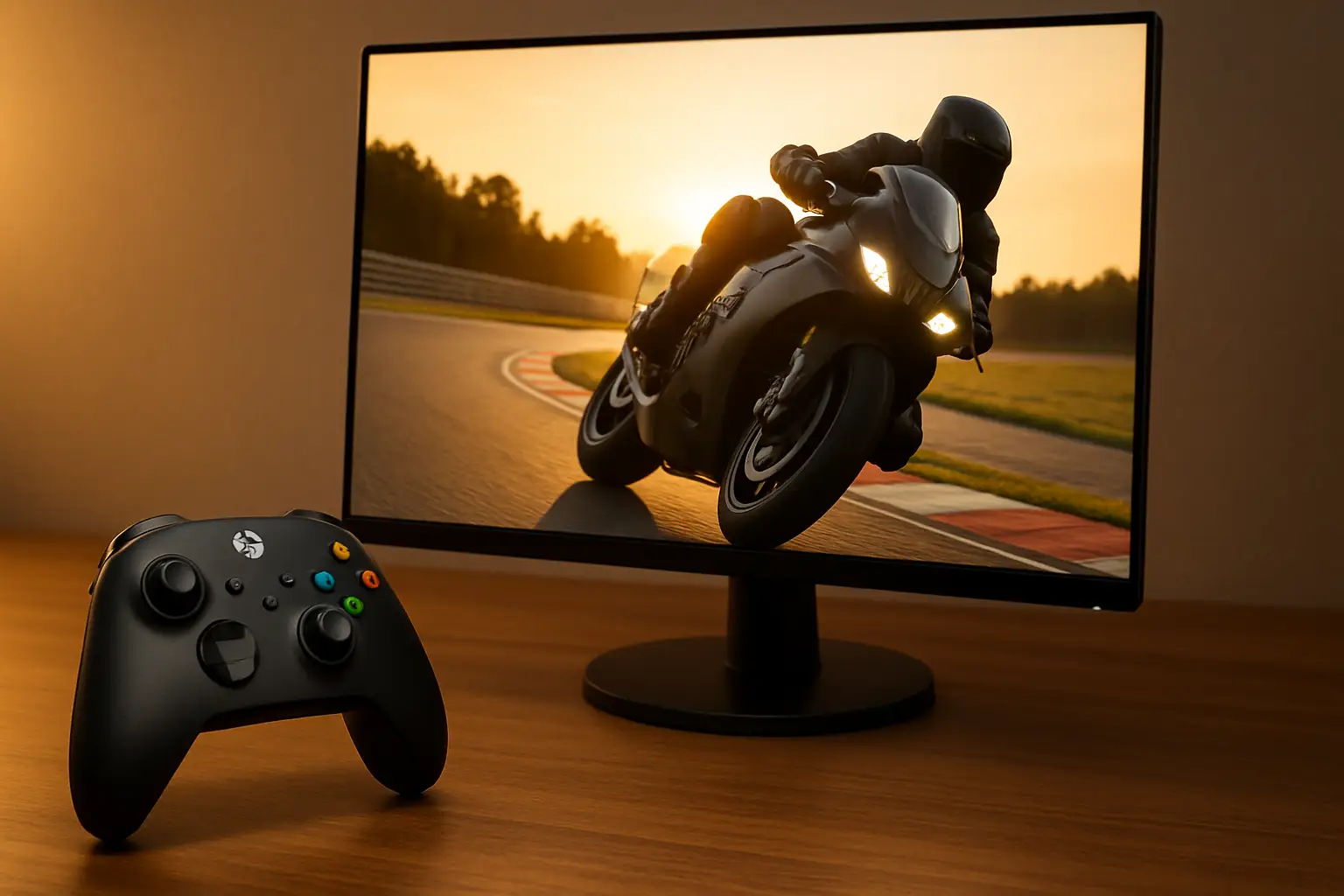
MotoGP 2027: Teams Begin Testing New-Generation Bikes
MotoGP's 2027 revolution is already taking shape on track, with factory teams rolling out next-generation machines in early development tests.
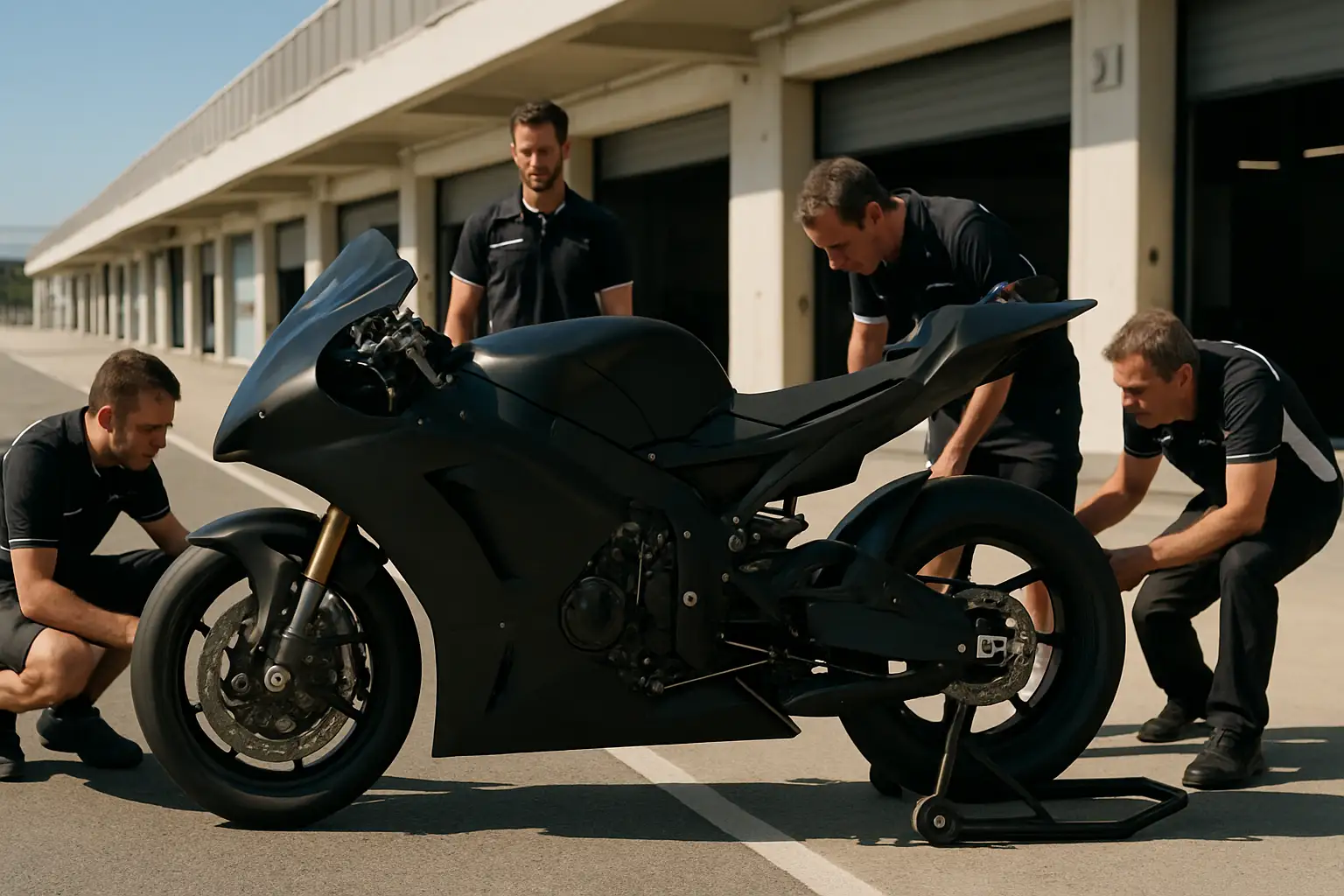


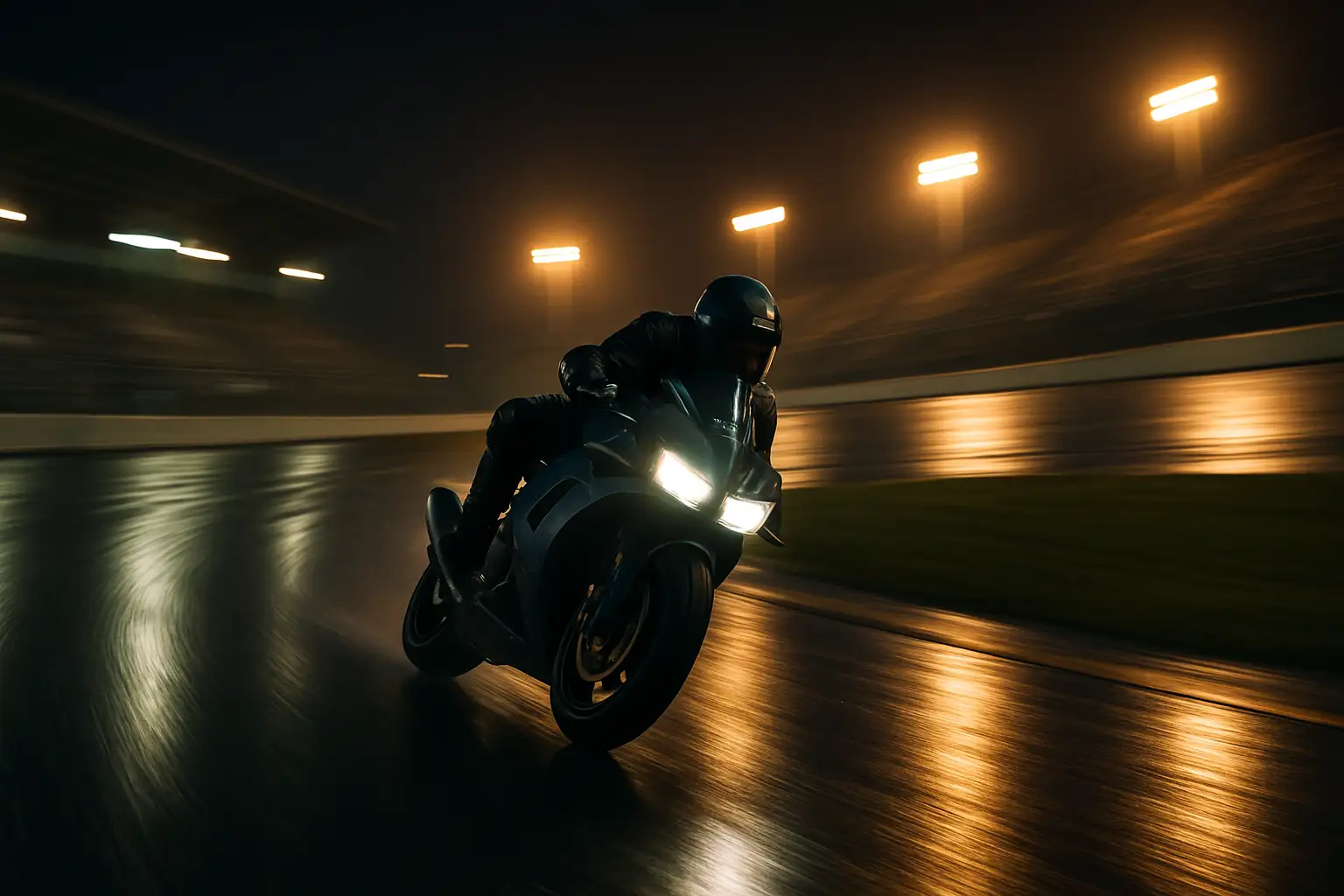
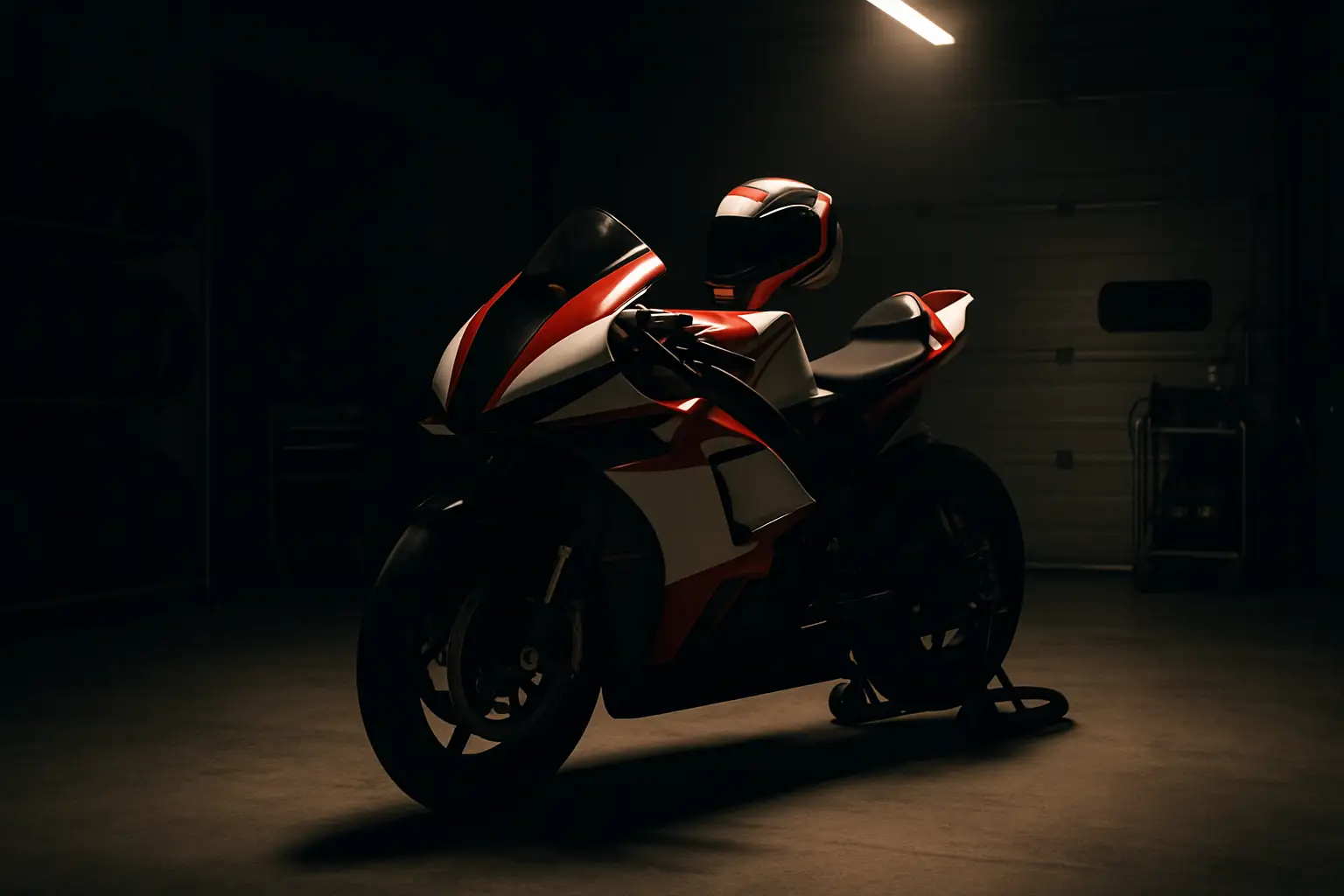
The 2027 MotoGP season may still be a couple of years away, but the groundwork is being laid right now. Factory teams have begun testing the new-generation bikes that will define the sport's next technical era, a sign that the development race is already well underway.
MotoGP 2027 Tests Signal a New Technical Era
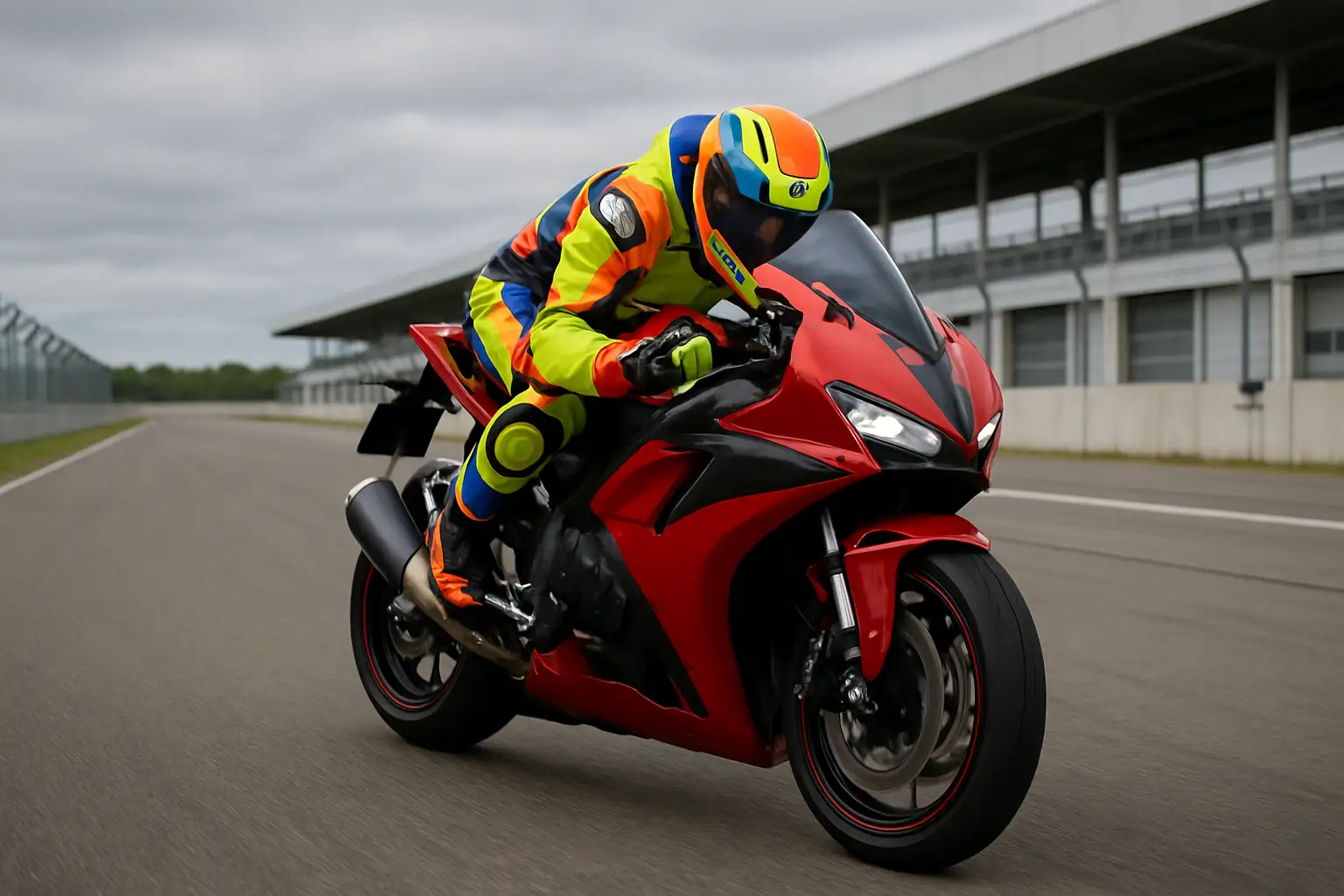
According to reporting from Quotidiano Sportivo, multiple teams have commenced structured test programs with the bikes set to compete under the 2027 regulations. These sessions mark the first concrete steps toward what is expected to be a significant shift in how MotoGP machines are built and raced.
The 2027 ruleset has been on the horizon for some time, with the FIM and Dorna working alongside manufacturers to agree on a framework intended to control costs, improve competitiveness, and attract new constructors to the grid. The current testing activity suggests manufacturers are not waiting until the last moment to get their machinery dialed in.
Early test programs like these carry enormous strategic importance. Engineers use them to validate concepts that have been developed in simulation and on the dyno, gathering real-world data that feeds back into design decisions. Lap times at this stage are largely irrelevant. What matters is reliability, component behavior, and understanding how the new package responds to different track conditions.
What the Regulation Changes Mean for Teams
The 2027 regulations represent a genuine reset for the paddock, not simply an evolution of what exists today. Changes to engine specifications, aerodynamic rules, and electronics packages are all part of the picture. For smaller or newer teams, a regulation change can level the playing field - at least in theory. For the established factories, it is a chance to lock in an advantage before rivals catch up.
Testing under new rules also requires teams to rebuild much of their institutional knowledge from scratch. Setup philosophies that worked under the current regulations may not translate to the new bikes. Rider feedback becomes especially critical during this phase, as the feel and behavior of a new machine needs to be communicated clearly between the rider and the engineering group.
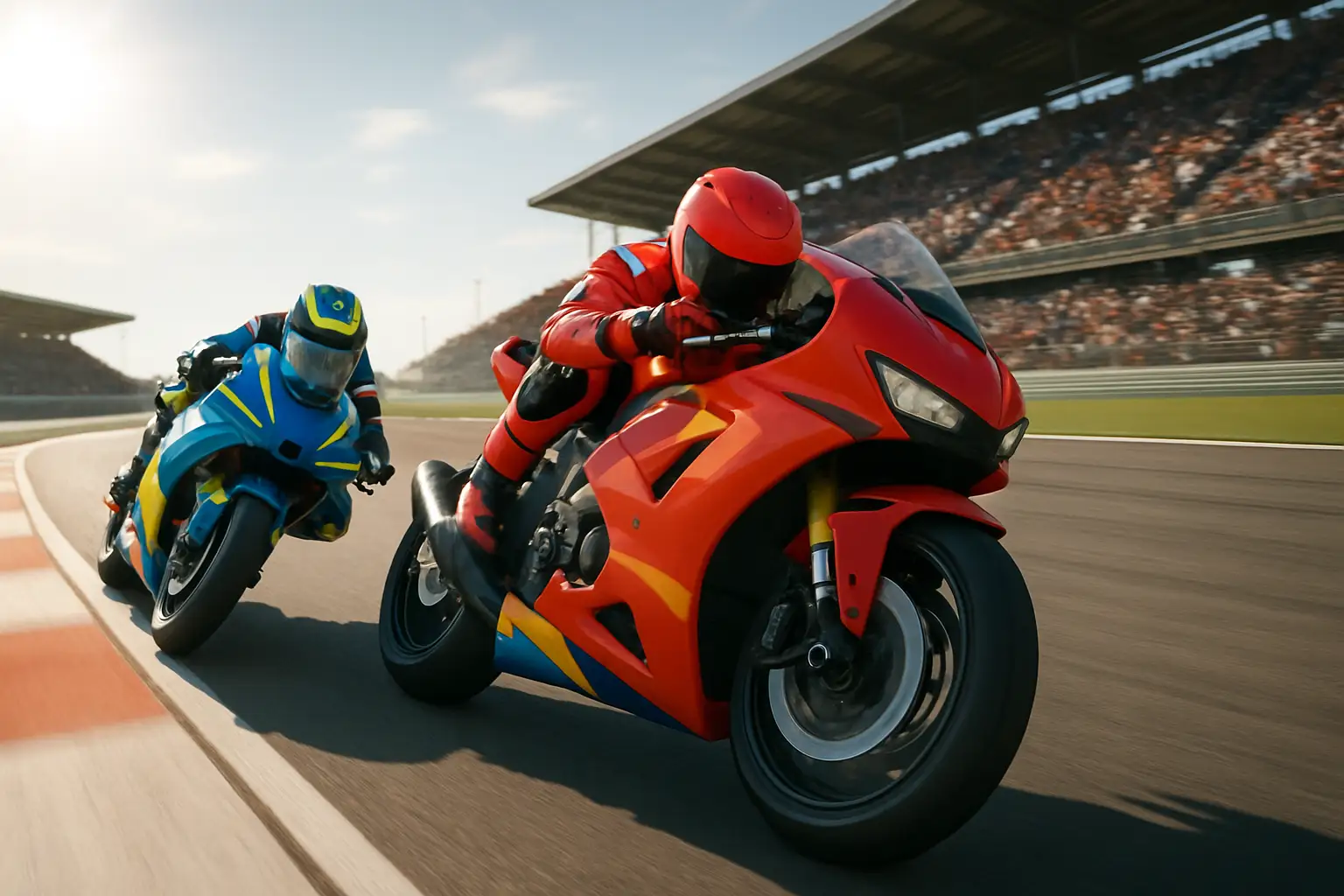
For the riders themselves, adapting to a new platform is both a physical and mental process. Braking points shift, corner entry behavior changes, and the power delivery from a revised engine requires recalibration of technique. Riders who get more mileage on the new bikes early will have a natural advantage when the 2027 season eventually opens.
What Comes Next
With these initial tests now underway, teams will work through a development cycle that will intensify as 2026 progresses. The current season remains the priority for all factories, but dedicated engineering sub-groups are already focused exclusively on 2027 programs.
The data collected in these early outings will help shape homologation decisions, parts development timelines, and rider contracts tied to the new machines. The 2027 grid is not yet fully set, and commercial negotiations between manufacturers, teams, and riders will run parallel to the technical development process.
For fans, these tests are an early glimpse at what MotoGP will look like in its next chapter. The sport has always been defined by its willingness to push engineering boundaries, and a new regulatory cycle is when that instinct is at its sharpest.


MotoGP Correspondent
Luca Moretti is 21.fun's MotoGP correspondent, following the championship from free practice to the podium with an eye for race strategy and tech.