MotoGP Doctor Charte Says Reckless Medical Era Is Over
MotoGP's chief doctor Charte says the sport's old approach to rider safety was reckless and that those days are firmly behind the paddock now.
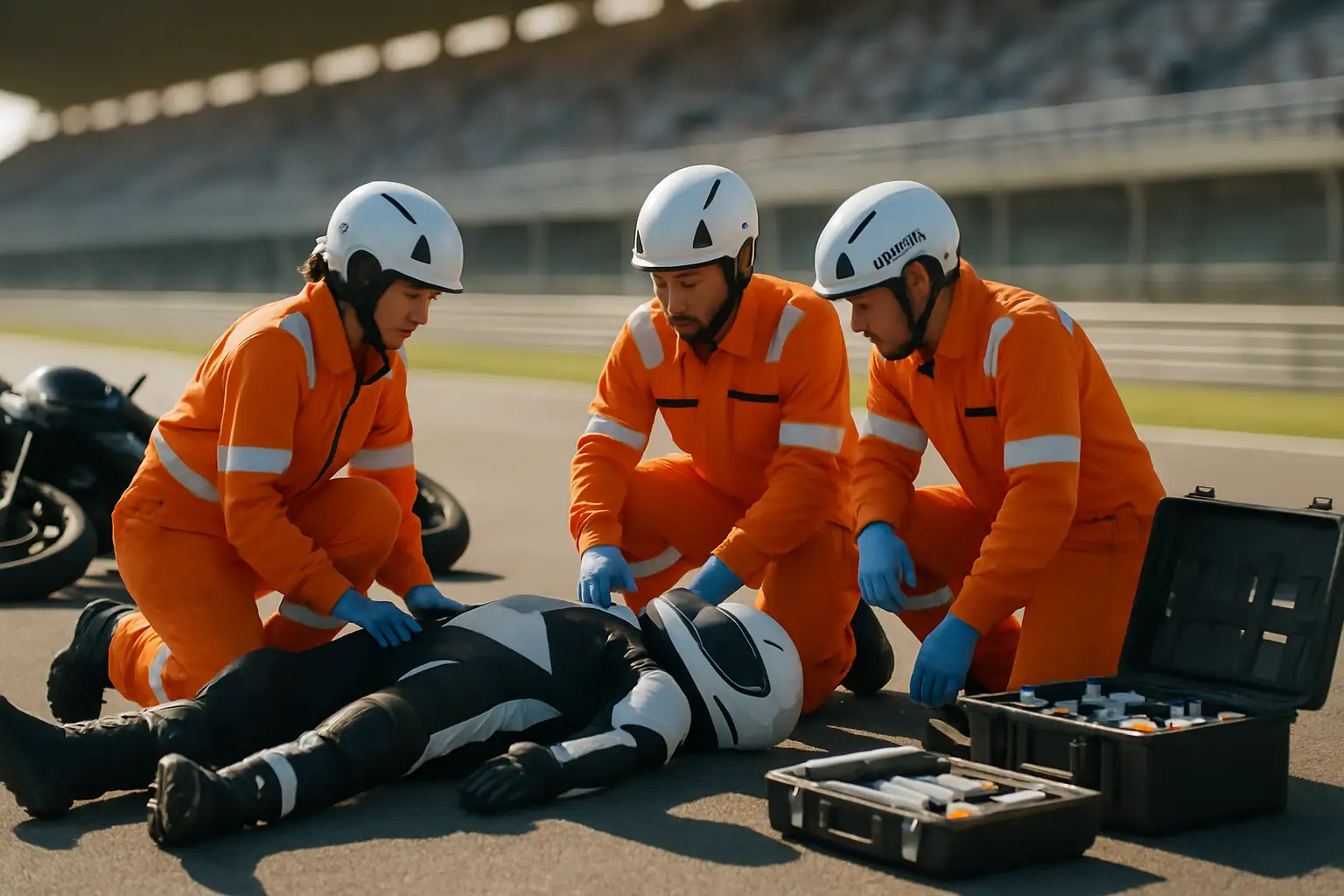


MotoGP's Medical Chief Speaks Plainly on Safety Progress
MotoGP doctor Angel Charte has not minced words about how the sport once handled rider welfare. In comments reported by Speedweek.com, Charte described past medical practices in the championship as a kind of madness, and made clear that approach no longer exists in the paddock. His remarks offer a candid look at how far MotoGP has come in treating rider safety as a genuine priority rather than an afterthought.
Charte has served as MotoGP's permanent medical coordinator for years, giving him a long view of how attitudes and procedures have shifted. His blunt language signals how seriously the championship's medical team now takes its responsibilities, and how little patience remains for the old culture of racing through injury at almost any cost.
For fans and observers, the statement lands with weight. MotoGP has seen serious and fatal accidents over the decades, and criticism of how the sport managed injured riders in earlier eras has never fully gone away. Charte's words acknowledge that criticism directly.
What Changed and Why It Matters
The shift Charte is describing did not happen overnight. Regulatory pressure, advances in sports medicine, and painful lessons learned from high-profile crashes all pushed MotoGP toward a more structured and cautious medical framework. Trackside facilities have improved, the criteria for allowing an injured rider to return to action have been tightened, and communication between medical staff and race officials has become more formal.
In the past, riders were sometimes cleared to race while carrying injuries that would sideline athletes in other major sports. The culture of toughness that defined grand prix motorcycle racing for generations made it difficult for even well-meaning medical staff to push back against a rider's determination to compete. Charte's framing of that period as madness suggests he views it not with nostalgia but with relief that it ended.
The practical impact shows up in how the medical team now operates at race weekends. Standardized checks, clearer protocols for concussion and fracture assessment, and a stronger mandate to override a rider's own wishes when health is genuinely at risk have all become part of the process. These are not cosmetic changes. They reflect a fundamentally different philosophy about what duty of care means in a dangerous sport.
Rider Safety Still a Live Debate
None of this means the conversation about safety in MotoGP is closed. The series continues to grapple with the speed of modern machinery, circuit design, and the inherent risks that come with racing at the highest level of motorcycle competition. Crashes remain frequent, and serious injuries still occur across a season.
What Charte's comments suggest is that the medical response to those incidents is now built on a sounder foundation. Riders who are hurt get assessed by professionals whose job is to protect them, not to find a way to get them back on track quickly for the benefit of a race entry list. That distinction, subtle as it sounds, represents a genuine cultural change inside the paddock.
For the riders themselves, the shift carries real consequences. Some have publicly expressed frustration when medical staff kept them from racing, arguing they felt fit enough to compete. But that friction is arguably a sign the system is working as intended, placing medical judgment above individual determination in moments that matter most.
Charte's directness about the past also sets a standard for transparency. Acknowledging that previous practice was flawed opens space for continued scrutiny and improvement, rather than projecting an image of an institution that has always had everything under control.


MotoGP Correspondent
Luca Moretti is 21.fun's MotoGP correspondent, following the championship from free practice to the podium with an eye for race strategy and tech.