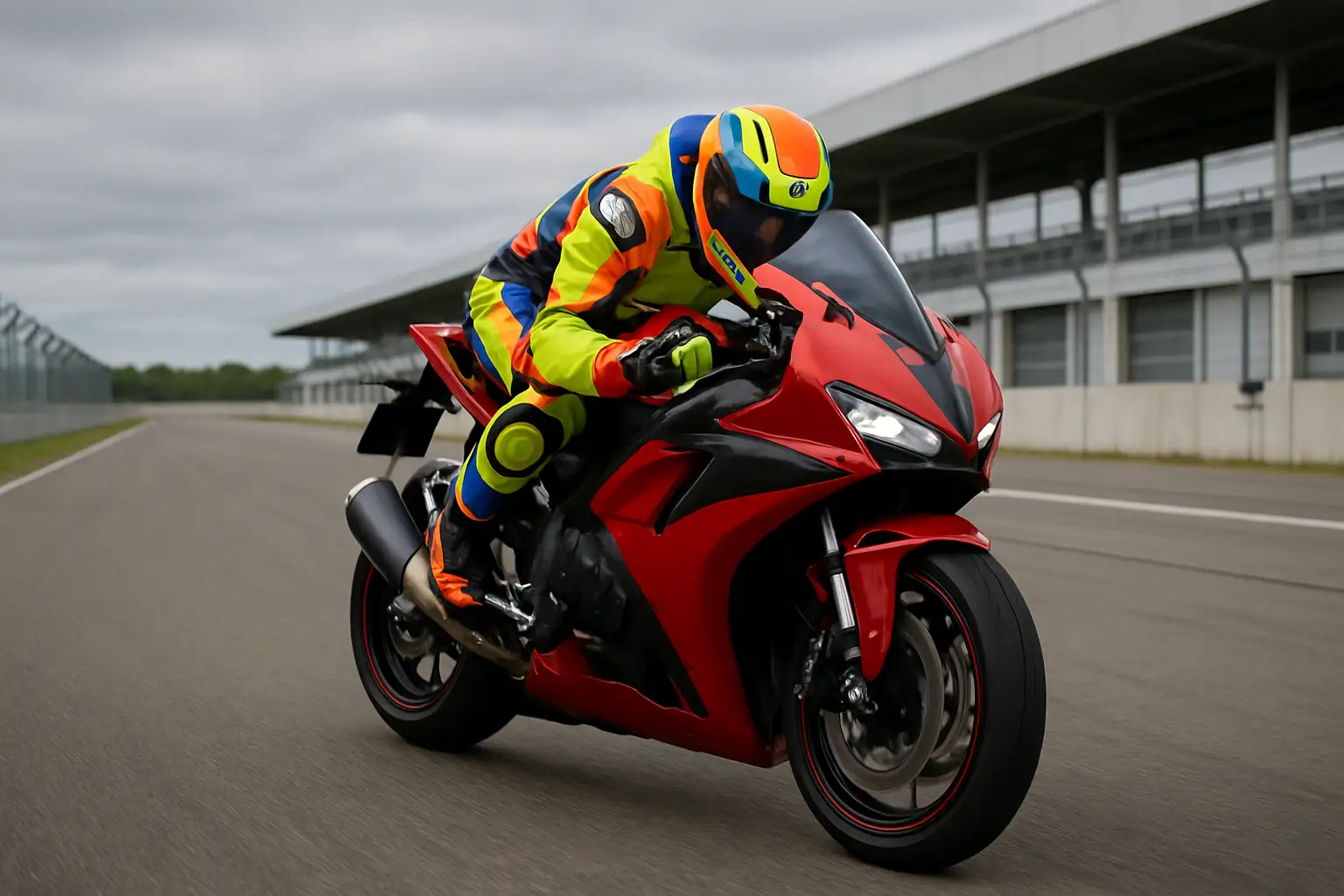
MotoGP Eyes New System to Regulate the Rider Market
MotoGP is exploring a new regulatory framework to bring order to the rider market, according to reports, as the series looks to manage how contracts and transfers are handled.
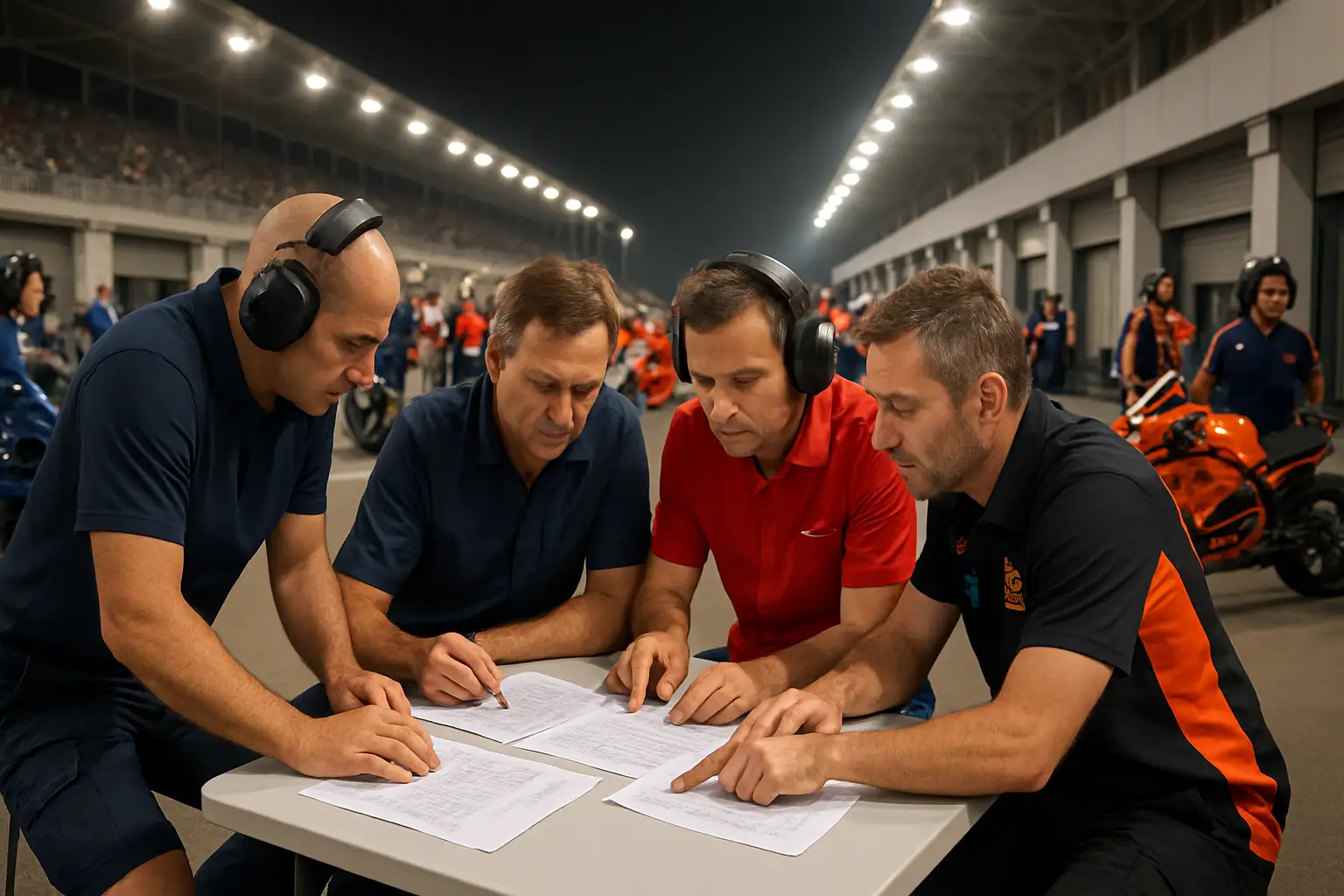


MotoGP Takes Aim at Rider Market Rules
MotoGP is in discussions over a new system designed to control how the rider market operates, according to reporting from news.gp. The proposal signals that the series is taking a harder look at the way rider contracts, transfers, and signings are managed across its teams, with an eye toward bringing more structure to a process that has long run on informal timelines and backroom deals.
The rider market in MotoGP has historically been a chaotic affair. Deals get announced early, speculation runs hot, and teams sometimes lock up riders well before the season is over, leaving others scrambling. A formal system to govern this process could reshape how teams plan their rosters and how riders negotiate their futures.
What a Rider Market Control System Could Mean
The details of any proposed framework have not been fully confirmed, but the fact that MotoGP is actively discussing a control mechanism suggests the issue has risen to an organizational priority. Similar systems exist in other motorsport categories and major sports leagues, where transfer windows or signing periods limit when contracts can be announced or activated.
For MotoGP, introducing such a structure would affect everyone from factory riders at the top of the grid to replacement-level talent competing for satellite seats. Teams would likely need to adapt their planning cycles, and rider managers would have to work within set windows rather than moving freely throughout the year.
The discussion also touches on competitive fairness. When top teams secure riders far in advance, smaller operations can find themselves frozen out of the market for quality talent. A regulated system could, in theory, level that playing field at least slightly.
Why Now
The timing of these talks is notable. The MotoGP grid is in a period of significant transition, with several high-profile riders linked to potential moves and manufacturer lineups shifting. That kind of turbulence tends to expose weaknesses in how the sport manages its human capital, and it appears those in charge are paying attention.
News.gp, which first reported on the discussions, indicated that MotoGP is taking the matter seriously rather than treating it as a peripheral concern. Whether the talks lead to a concrete policy change remains to be seen, but the conversation itself marks a shift in how the sport's leadership is thinking about market governance.
For fans and observers, the implications are significant. A more regulated rider market could mean fewer surprise announcements mid-season, more predictable silly seasons, and clearer timelines for when teams must confirm their plans. It could also reduce the pressure on riders to commit early out of fear that their options will disappear.
How teams, riders, and manufacturers respond to any formal proposal will be the real test. Not everyone benefits equally from added structure, and resistance from powerful factory operations is a realistic possibility if they feel their flexibility is being curtailed.


MotoGP Correspondent
Luca Moretti is 21.fun's MotoGP correspondent, following the championship from free practice to the podium with an eye for race strategy and tech.