The Worst Crashes of Every MotoGP Rider: A Look at the Sport's Danger
MotoGP is the fastest motorcycle racing series on earth, and every rider on the grid has faced a defining crash. Here is a look at the moments that tested them most.


MotoGP's Most Defining Crashes by Rider
The worst crash of every MotoGP rider is a topic that draws intense attention from fans and analysts alike. At speeds exceeding 350 km/h, crashes in MotoGP are not rare, they are inevitable. Every rider who has lined up on the premier class grid carries the memory of at least one incident that pushed the limits of human survival and machine engineering. A roundup highlighted by Mshale examines those defining moments across the full rider lineup.
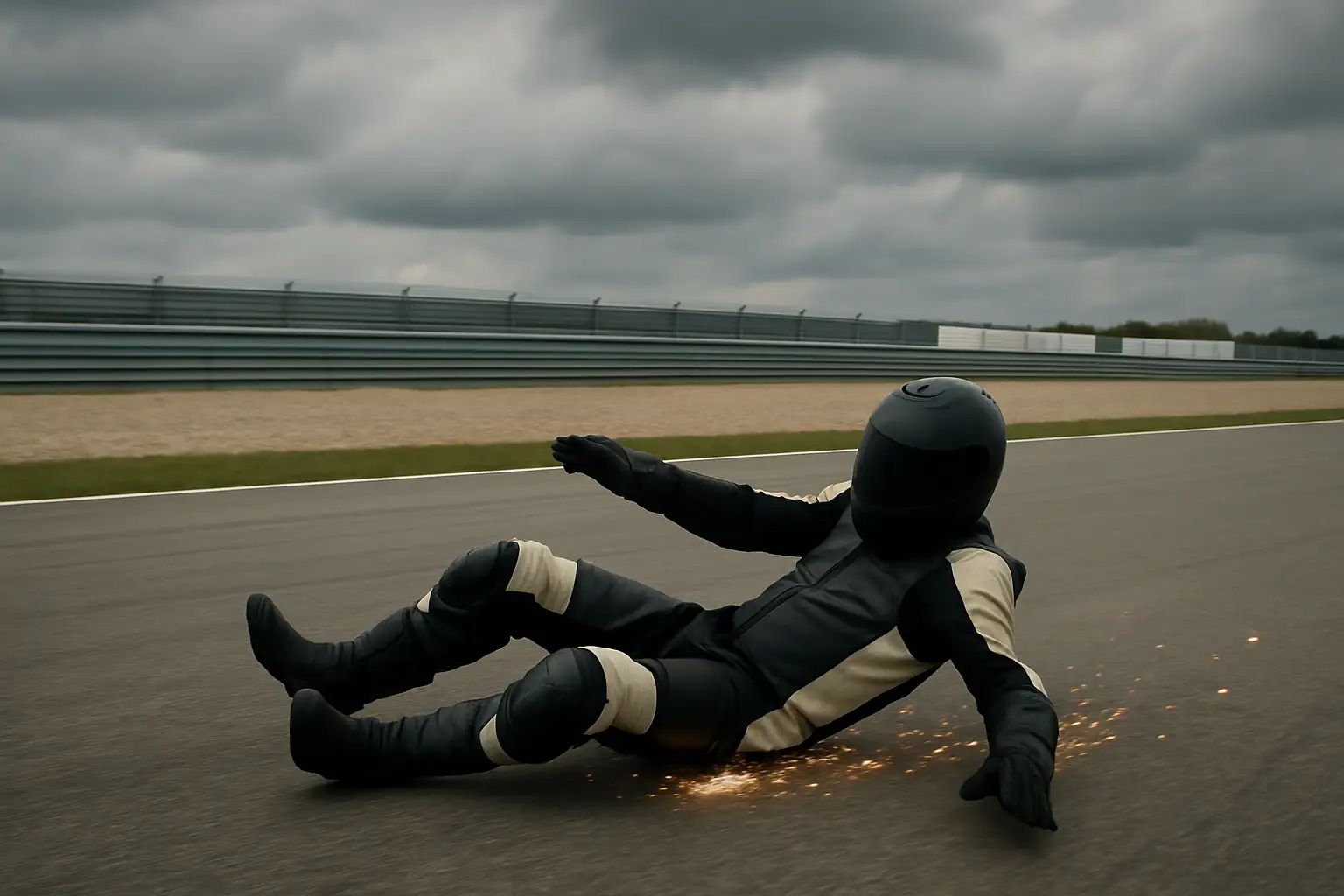
Crashes in MotoGP range from high-side ejections that send riders cartwheeling across gravel traps to low-sides that slide a competitor harmlessly into a barrier. The worst ones, however, are the kind that end seasons, change careers, or force a rider to reconsider everything. These are the moments that define not just a race weekend but a rider's entire relationship with the sport.
The Physical and Mental Cost of a Career-Defining Crash
Every MotoGP rider absorbs punishment over the course of a career. Broken collarbones, fractured vertebrae, and shattered legs are almost routine in a sport where protective gear can only do so much at triple-digit speeds. For some riders, a single crash becomes the moment the public remembers most, overshadowing podiums and championships.
The emotional weight of a major crash is significant. Riders return to the track, often within days, sometimes within hours, after incidents that would end most athletic careers. The psychological demand of climbing back onto a 270-horsepower machine after a brutal accident is a defining characteristic of the MotoGP competitor. Medical staff embedded at every circuit are trained specifically for the injuries that result from these high-speed incidents.
For younger riders still establishing themselves on the grid, a serious crash can shift a career trajectory entirely. For veterans, it can become the unwanted final chapter. The sport has lost riders to catastrophic crashes, and those losses shape how the governing body, Dorna Sports, continues to invest in track safety and rider protection technology.
What Makes a Crash the 'Worst'
Ranking crashes involves more than measuring impact speed or injury severity. Context matters. A crash at a crucial championship moment carries different weight than one in a free practice session. A crash that triggers a multi-rider incident creates different consequences than a solo fall.
Some of the most visually dramatic crashes in MotoGP history have resulted in minor injuries, while quieter, lower-speed incidents have caused serious long-term damage. The unpredictability of how a human body interacts with asphalt, barriers, and other motorcycles is part of what makes each crash uniquely significant.
Airbag-equipped leathers, introduced more widely in recent seasons, have reduced injury rates in crashes that would previously have caused severe trauma. Carbon fiber helmets and improved circuit design, including wider gravel traps and TECPRO barriers, have also contributed to a measurable improvement in rider safety outcomes over the past decade.
A Reminder of What Riders Risk Each Weekend
The compilation of each MotoGP rider's worst crash is not simply a highlight reel of suffering. It is a record of resilience. Riders who have walked away from enormous accidents, rehabbed through the off-season, and returned to compete at the front of the grid represent a particular kind of athletic commitment that is hard to find elsewhere in sport.
Fans watching a MotoGP race from the grandstand or a screen at home often see only the spectacle of speed. The crash compilation format strips away some of that distance and forces a more honest accounting of what competing at this level actually demands. For any rider on the current grid, their worst crash is already part of their story, whether they discuss it publicly or not.


MotoGP Correspondent
Luca Moretti is 21.fun's MotoGP correspondent, following the championship from free practice to the podium with an eye for race strategy and tech.