Esports Boosts Disabled Employment in Japan
Japan is turning to competitive gaming as a practical pathway to bring more people with disabilities into the workforce, according to reporting by the Borneo Bulletin.


Japan Looks to Esports as a Workforce Inclusion Tool
Japan is increasingly embracing esports as a route to disabled employment, with the competitive gaming sector offering new professional opportunities for people who face barriers in traditional job markets. The trend, highlighted by the Borneo Bulletin, points to a growing recognition that the digital nature of esports can remove many of the physical and logistical obstacles that often keep disabled workers on the sidelines.
Unlike factory floors or office environments that may require significant physical mobility, esports roles span a wide range of functions. Players, coaches, analysts, broadcasters, and event coordinators can all perform their work from accessible setups, sometimes entirely remotely. That flexibility is proving attractive to employers who want to meet Japan's disability employment quotas while also tapping into a young and fast-growing industry.
Japan has long maintained legal requirements compelling companies above a certain size to hire a minimum percentage of workers with disabilities. Meeting those targets has historically been a challenge for many businesses. Esports organizations and the broader gaming industry appear to be stepping into that gap.
How the Gaming Industry Creates Accessible Careers
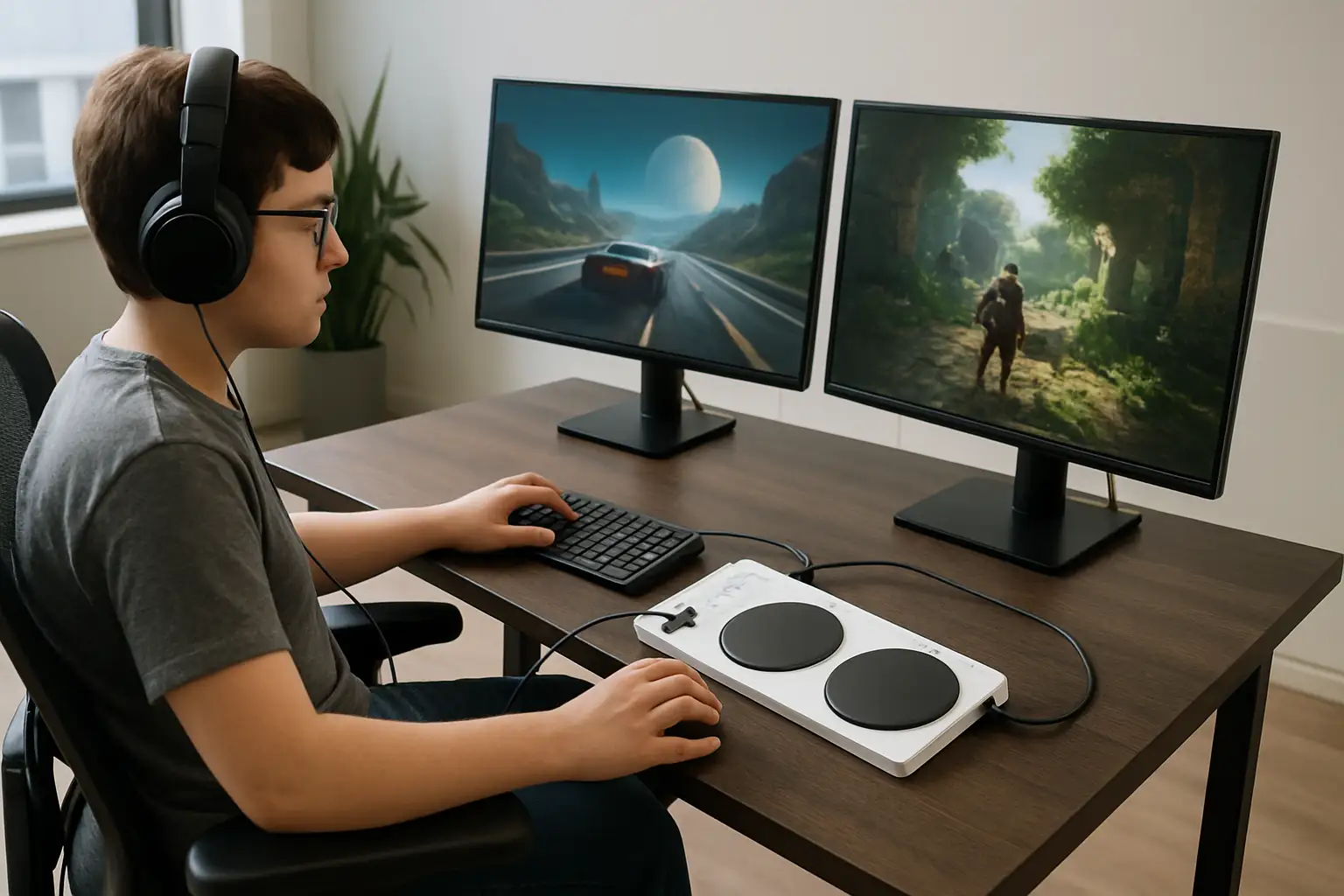
The appeal of esports for disabled workers is not just about playing games at a high level. The industry generates demand for roles in content production, data analysis, social media management, and technical support. Many of these positions can be performed with adaptive technology or from home, reducing reliance on accessible transport or specially designed office infrastructure.
For workers with mobility impairments, visual adaptations, or conditions that make conventional commutes difficult, that combination of remote-friendly work and digital tools is significant. Japan's aging population and existing labor shortages add further urgency to finding sustainable employment models that draw on a wider talent pool.
Esports also carries cultural weight in Japan, where gaming has deep roots and a broad fanbase. That social legitimacy helps normalize the sector as a serious career destination rather than a hobby, making it easier for disabled individuals, their families, and potential employers to view esports roles as stable and worthwhile.
Broader Implications for Disability Policy
The use of esports to support disabled employment reflects a wider shift in how Japan is thinking about workplace inclusion. Rather than simply adapting existing industries, policymakers and businesses are looking at emerging sectors where accessibility can be built in from the start.
If esports continues to grow as a professional industry in Japan, and global projections suggest it will, the number of roles available to disabled workers could expand considerably. That would give companies more options for meeting their legal hiring obligations while contributing to an industry that is genuinely short of skilled talent.
The Borneo Bulletin's reporting draws attention to a model that other countries with similar disability employment challenges may find worth watching. Gaming infrastructure is relatively cheap to make accessible compared to retrofitting physical workplaces, and the remote-work culture already embedded in esports means that many of the necessary accommodations are already standard practice.


Football Correspondent
Alex covers football and the global game with fast, sharp analysis.