2026 FIFA World Cup's Biggest Winner Might Be Respect
Beyond trophies and golden boots, a Chicago Tribune column argues the 2026 FIFA World Cup could deliver something more lasting: a renewed culture of respect in football.


The Trophy Nobody Lifts
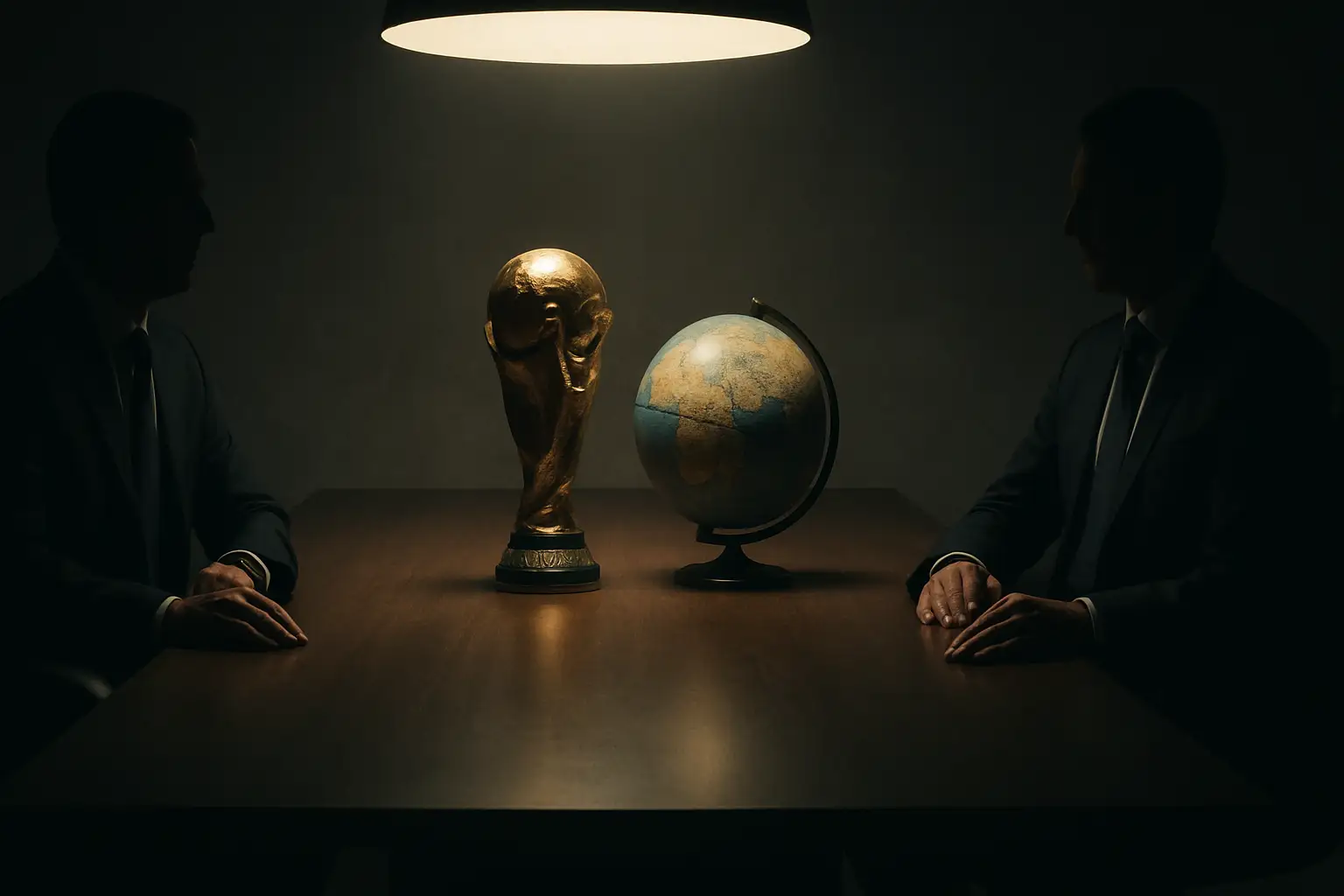
The 2026 FIFA World Cup will produce one champion nation, one golden boot winner, and one golden glove. But according to a column by Donna Vickroy published in the Chicago Tribune, the most meaningful prize from the tournament may not be a trophy at all. It could be respect, plain and simple.
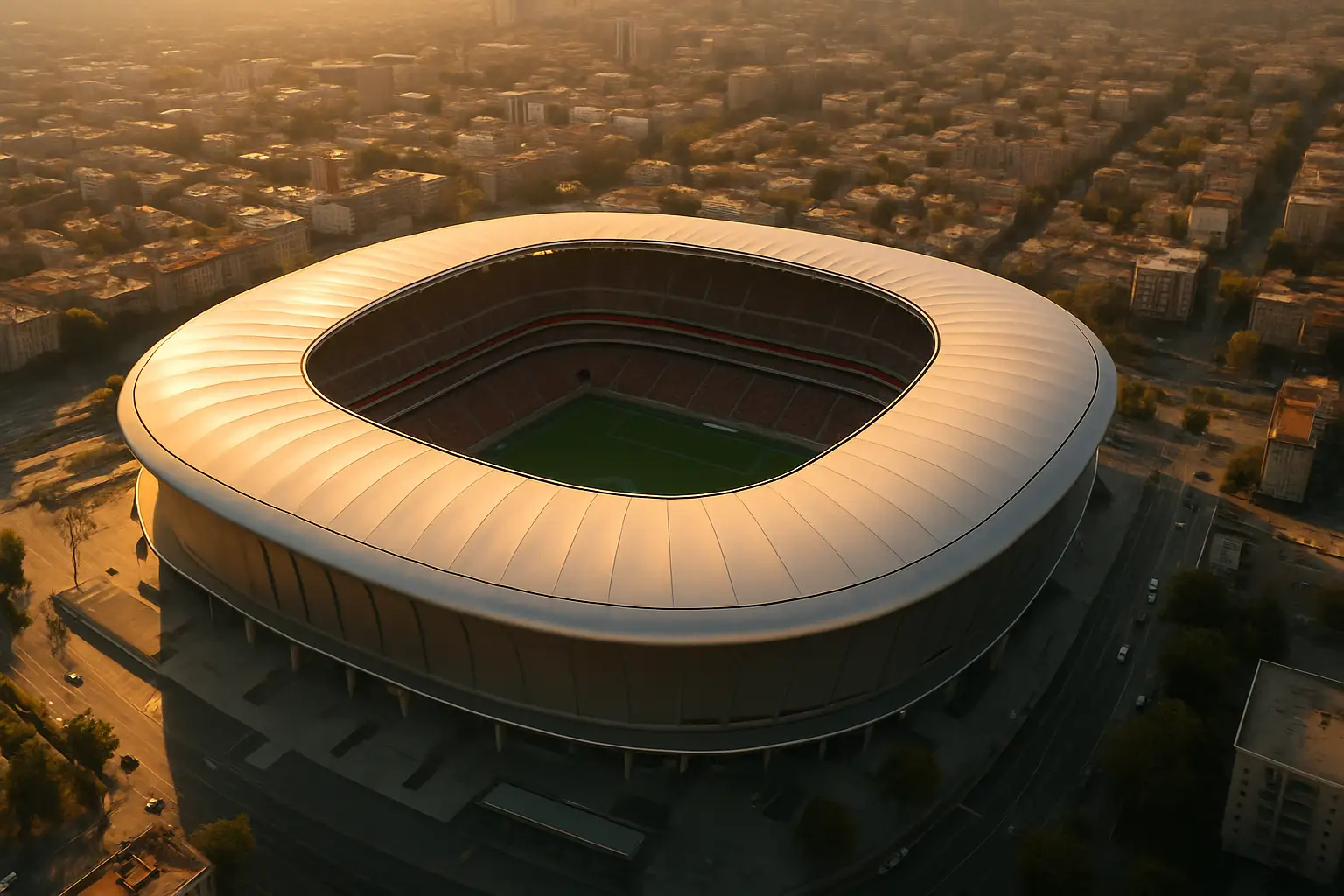
The argument lands at an interesting moment. The 2026 edition of the World Cup is set to be the largest in tournament history, expanding to 48 teams and spreading matches across stadiums in the United States, Canada, and Mexico. More teams, more matches, more eyes on the game. With that scale comes an opportunity, Vickroy suggests, to reshape what the sport signals to the world about how players, fans, and nations treat each other.
It is a column, not a hard news report, but the idea it raises is worth taking seriously. Football's global stage has a habit of producing both the best and worst of human behavior simultaneously.
What Respect Actually Means at a World Cup
At a tournament this size, respect operates on several levels at once. There is the respect between players on the pitch, where tackles, celebrations, and post-match handshakes all carry weight in front of billions of viewers. There is the respect between supporter groups in host cities, where rival fans share streets, bars, and public transport. And there is the respect that flows between nations, expressed through the ritual of the game itself.
The 2026 World Cup, hosted across three countries with dramatically different football cultures, creates a unique test of all three. The United States is not traditionally a football-first nation, though that is shifting. Mexico brings one of the loudest and most passionate supporter cultures in the sport. Canada is hosting a World Cup for the first time. The combination means the tournament will play out in front of audiences with very different relationships to the game and to each other.
Vickroy's column, as reported by the Chicago Tribune, frames this not as a threat but as a chance. A chance for the sport to model something better than tribalism, something closer to genuine cross-cultural appreciation.
A Timely Conversation
The timing of this argument matters. Football has spent years dealing with racist chanting in stadiums across Europe and South America, with governing bodies handing out sanctions that critics regularly describe as too light. FIFA itself has faced sustained criticism over its choices of host nations and the human rights records attached to those choices.
Against that backdrop, making respect the headline achievement of a World Cup sounds almost naive. But the column appears to be making a more grounded point: that the everyday interactions between fans, players, and communities during a tournament of this scale add up to something real, whether the official bodies acknowledge it or not.
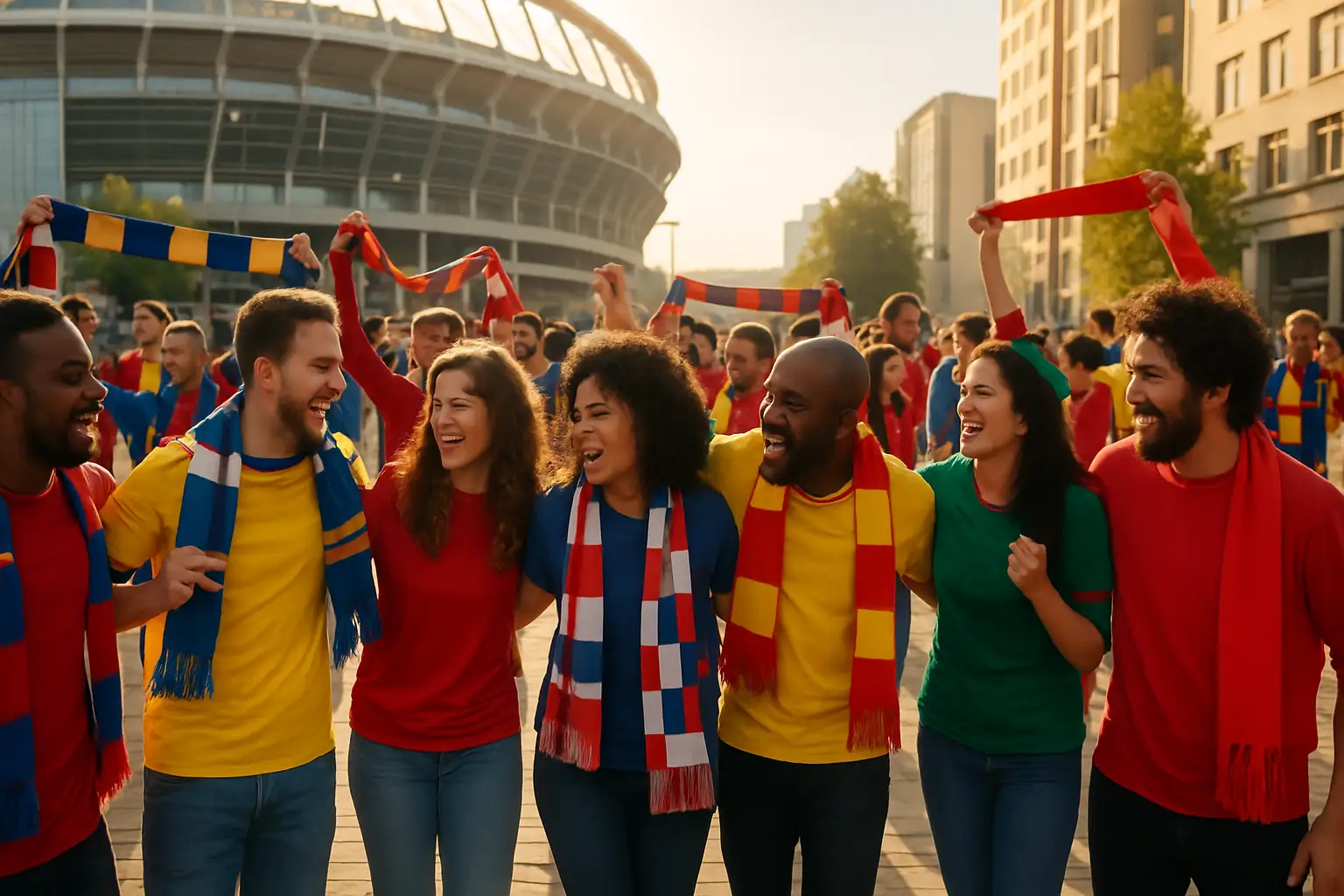
World Cups have a track record of producing moments that cut through cynicism. Supporters sharing food and scarves outside stadiums. Players swapping shirts and pausing for photos with kids on the pitch. A goal celebrated with genuine joy by a nation that was not even supposed to be competitive. These things happen at every World Cup, largely without FIFA's help.
Respect as a Sporting Legacy
The Chicago Tribune column by Donna Vickroy is ultimately asking football fans to think about what they want the 2026 FIFA World Cup to be remembered for. The winner will be remembered, certainly. So will the standout goals and the upsets.
But legacies are built from the texture of a tournament, not just its results. How host communities welcome traveling supporters. How players carry themselves after a defeat. How broadcasters and pundits frame the nations and cultures on show. Those details, repeated across dozens of matches in dozens of cities over the course of a summer, accumulate into something that either raises the sport's reputation or chips away at it.
With 48 nations competing for the first time, there will be countries represented in 2026 that have never appeared at a World Cup before. Their players and fans will arrive with everything to prove and nothing to lose. If the tournament greets them with respect, rather than indifference or condescension, that is a result worth claiming, even if it never shows up on a scoreboard.


Football Correspondent
Alex covers football and the global game with fast, sharp analysis.