2026 FIFA World Cup Brought FOX Sports Digital and Linear Teams Closer
The 2026 FIFA World Cup pushed FOX Sports to break down internal silos, forging a tighter working relationship between its digital and linear broadcast divisions.


A Tournament That Changed How FOX Sports Operates
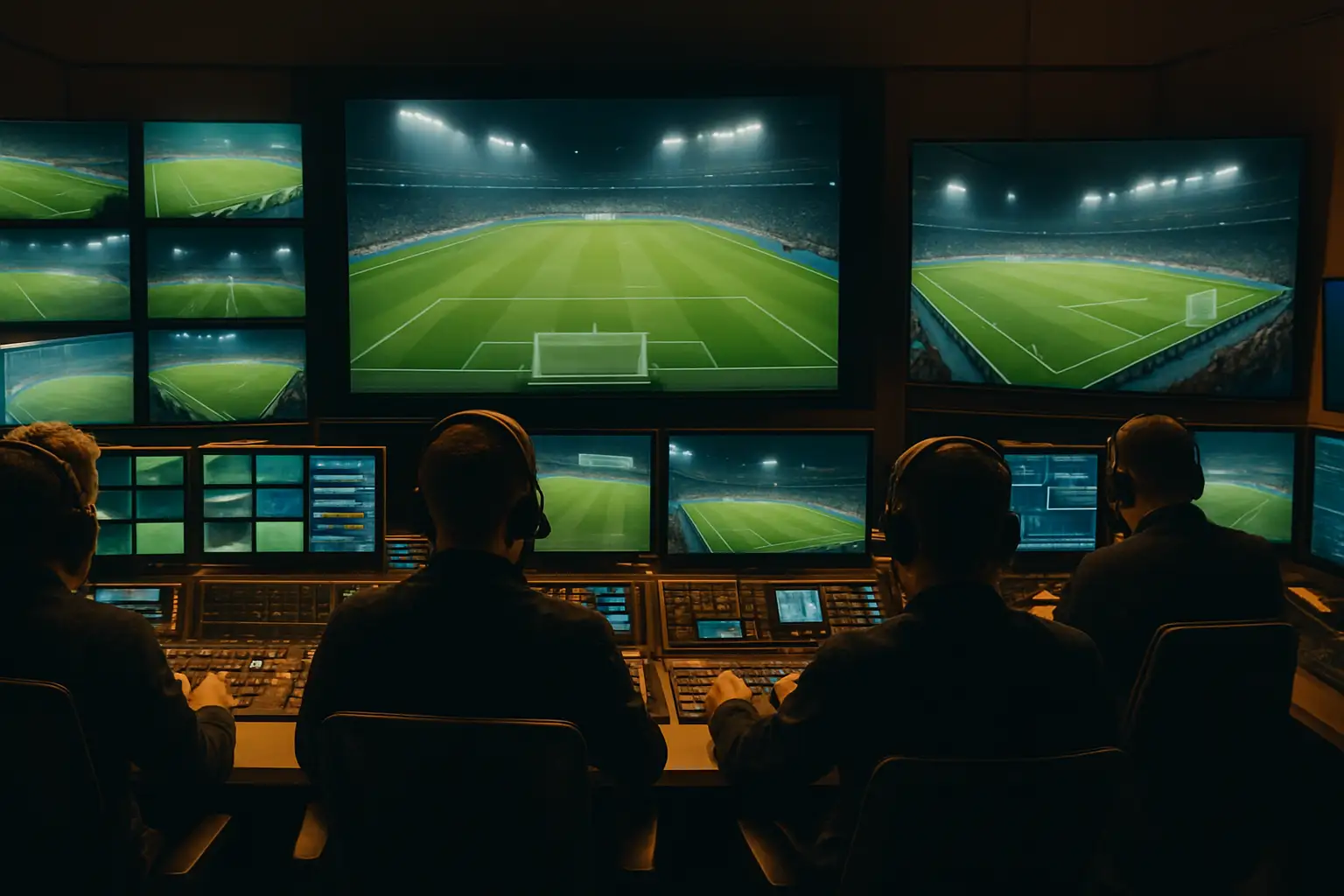
The 2026 FIFA World Cup did more than fill stadiums across the United States, Canada, and Mexico. For FOX Sports, it became a pressure test that forced the network's digital and linear teams to work in closer coordination than ever before, according to reporting by Sports Video Group.
With the tournament held across North America and carrying enormous domestic viewing stakes, FOX Sports - which holds broadcast rights to the World Cup in the United States - had to manage coverage across multiple platforms simultaneously. The scale of that operation pushed the two divisions to align their workflows, communication, and production strategies in ways that had not been fully developed before the tournament.
Breaking Down the Silos
Historically, broadcast television and digital streaming operations at major sports networks have run on separate tracks. Different teams, different tools, and different priorities can create friction when a single massive event needs to be served across every screen at once.
The 2026 World Cup, with its expanded 48-team format and matches spread across 16 host cities, gave FOX Sports no room for that kind of separation. Digital content needed to reflect what was happening on linear broadcasts in real time, and linear production benefited from data and audience signals coming in from digital platforms. The result, as Sports Video Group reported, was a tighter operational bond between the two sides of the business.
That kind of cross-team integration is increasingly important as audiences split their attention between traditional TV and streaming or social platforms. A viewer might watch a first half on cable and catch highlights or alternate camera angles through a digital product. For that experience to feel cohesive, the teams producing it need to be talking to each other constantly.
What This Means for Future Coverage
The lessons FOX Sports took from the 2026 World Cup are likely to shape how the network approaches other major properties going forward. When a single event drives collaboration at this level, the workflows and relationships built during production tend to stick. Teams that learned to coordinate under World Cup pressure will carry those habits into the next assignment.
For the broader sports media industry, the FOX Sports experience reflects a wider shift. Rights holders and broadcasters are under growing pressure to serve audiences wherever they are, and that means the old boundaries between a network's TV arm and its digital arm are becoming harder to justify. The 2026 World Cup, by sheer size and complexity, accelerated that process at FOX Sports faster than a typical season of league sports might have.
Sports Video Group, which covers the technical and operational side of sports broadcasting, highlighted the FOX Sports integration as a notable example of how a marquee tournament can reshape internal structures at a major rights holder.


Football Correspondent
Alex covers football and the global game with fast, sharp analysis.