2030 FIFA World Cup: Dates, Host Countries and What to Know
The 2030 FIFA World Cup will be unlike any tournament before it, spanning multiple continents. Here is everything confirmed so far about the historic event.


The 2030 World Cup Is a Multi-Continent Affair
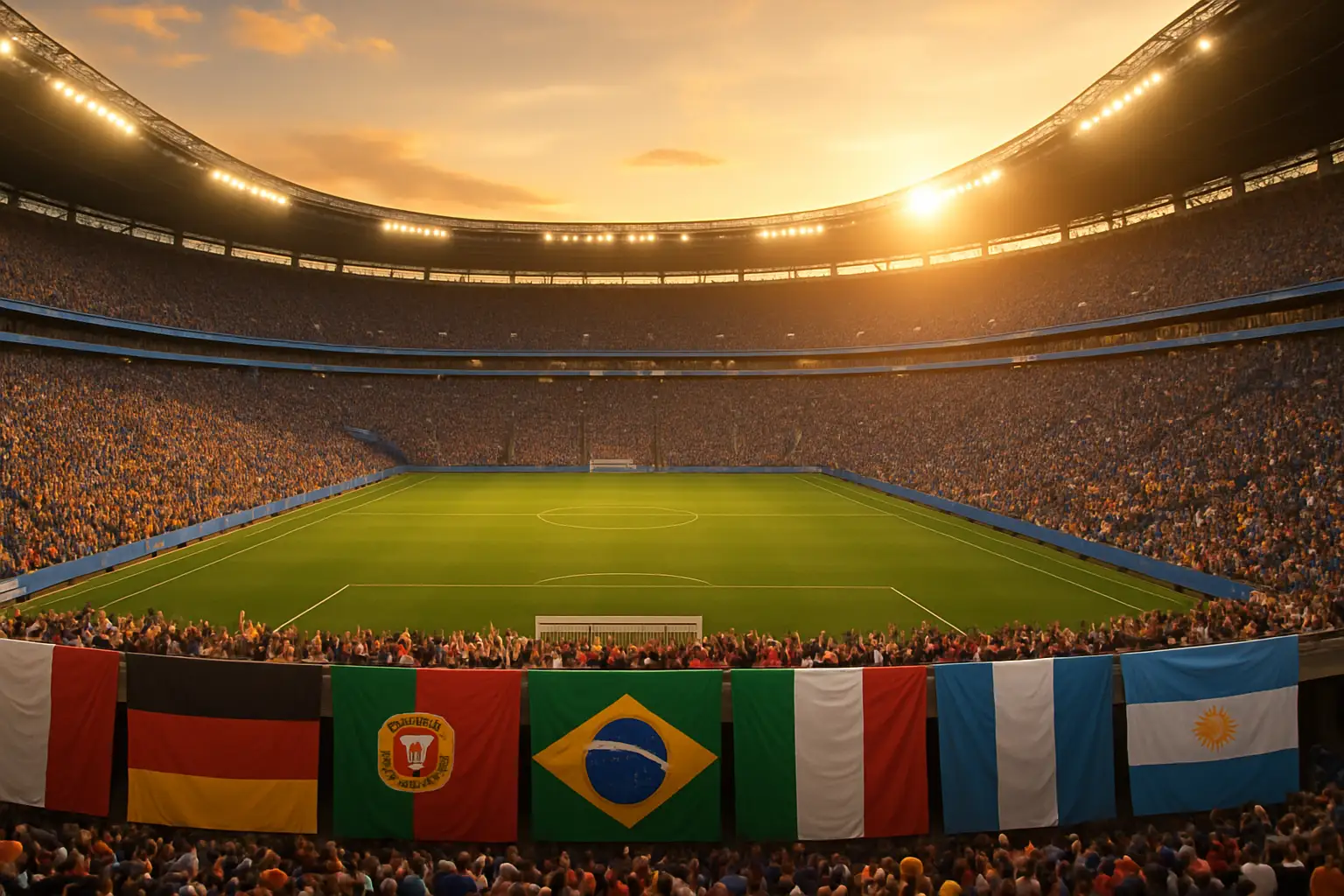
The 2030 FIFA World Cup is shaping up to be the most geographically ambitious edition of the tournament in its nearly 100-year history. Rather than being hosted by a single nation or a tight regional bloc, the event will spread across three continents, with matches played in Europe, Africa, and South America.
Spain, Portugal, and Morocco will serve as the primary hosts, handling the bulk of the group stage and knockout rounds. On top of that, three centenary celebration matches will be held in Argentina, Uruguay, and Paraguay to mark the 100th anniversary of the first-ever World Cup, which took place in Uruguay in 1930. That makes six countries involved in total, a format FIFA has never used before.
The tournament is scheduled for the summer of 2026 first, with the United States, Canada, and Mexico hosting that edition. The 2030 event follows four years later.
Key Dates and the Tournament Format
FIFA has not yet released the full match schedule or confirmed the exact opening date for the 2030 World Cup, but the competition is expected to run across several weeks in the summer of 2030, consistent with how previous editions have been structured.
The 2026 tournament will expand the field to 48 teams, up from the 32 that competed in Qatar in 2022. That expanded format is expected to carry over to 2030, meaning more matches, more nations, and longer group stages.
For fans planning ahead, venues across Spain, Portugal, and Morocco are the places to watch. Cities in those three countries will host the majority of competitive fixtures, while the South American legs in Argentina, Uruguay, and Paraguay are specifically tied to the centenary celebration matches rather than the full knockout bracket.
Why This Format and Why These Countries
FIFA's decision to spread the 2030 World Cup across six nations comes down to two things: politics and history.
The historical angle is straightforward. Uruguay hosted and won the inaugural World Cup in 1930, making 2030 the centennial of the competition. Holding celebratory matches in South America, specifically in Uruguay and its neighbors Argentina and Paraguay, gives the anniversary real geographic weight rather than treating it as a footnote.
The political and logistical rationale behind Spain, Portugal, and Morocco as primary hosts reflects a broader FIFA strategy of expanding the tournament's global footprint. Morocco has long pursued World Cup hosting rights and came close in previous bids. Pairing it with two Iberian nations creates a bridge between European and African football markets, both of which FIFA is keen to develop commercially.
Critics have raised questions about the practicality of organizing a tournament across so many time zones and travel distances, but FIFA has indicated the structure is workable given the separation between the centenary matches and the main competition.
What Fans Should Watch for Between Now and 2030
The immediate focus for most football fans is the 2026 World Cup, which kicks off in North America and will itself be a landmark event as the first 48-team tournament. Results and performances there will shape which nations arrive at 2030 as favorites.
Qualification for 2030 has not yet begun in most confederations. FIFA typically opens qualifying campaigns roughly three years before the tournament, meaning most regions will start their 2030 qualifying cycles around 2027, after the 2026 edition concludes.
Venue confirmations, ticketing details, and the official match schedule for 2030 are all still to come. FIFA is expected to release more specifics as the 2026 tournament approaches and organizational planning for 2030 moves into its next phase.
For now, the confirmed facts are clear: six host countries, three continents, a 48-team field, and a summer 2030 schedule built around one of the most significant anniversaries in sport.


Football Correspondent
Alex covers football and the global game with fast, sharp analysis.