Best Spots to Draft From in Fantasy Football for 2026
Picking the right draft position can be the difference between winning and losing your fantasy football league. Here is what the latest analysis reveals.


Draft Position Matters More Than Most Managers Admit
In fantasy football, the best spots to draft from in 2026 are already generating debate among analysts and seasoned league managers. Yahoo Sports recently examined which draft slots give managers the strongest statistical edge heading into the season, and the findings are worth paying attention to before your draft board fills up.
Most casual players treat draft position as a lottery. Serious managers treat it as a strategic variable, one they will trade picks or manipulate waiver order to control. The difference in player availability across the first three rounds alone can swing a team's ceiling dramatically.
Which Draft Slots Have the Edge
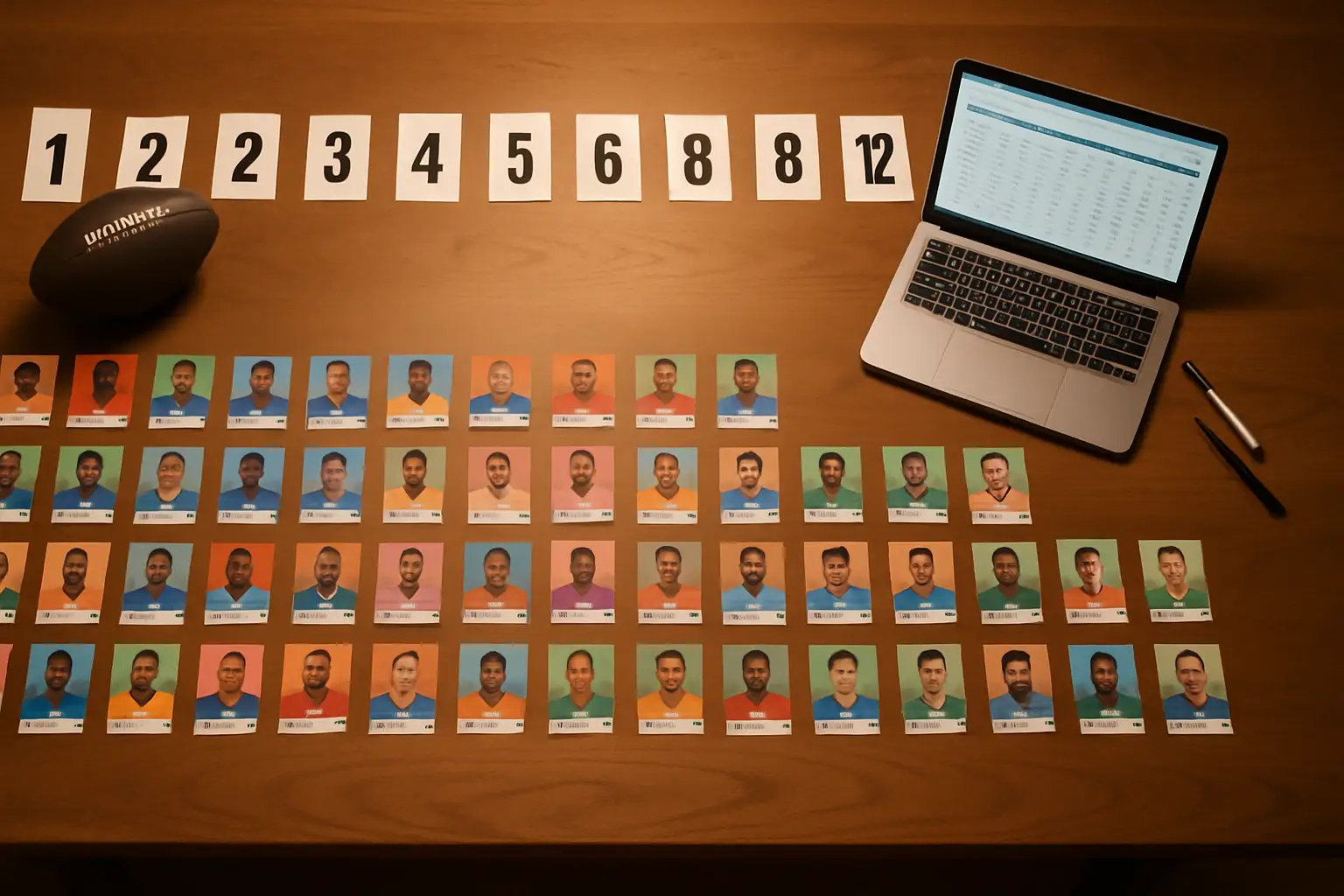
Analysis from Yahoo Sports points to specific positions in a standard 12-team snake draft as carrying a measurable advantage. The early slots, particularly picks one through three, give managers access to the top running backs and receivers who consistently anchor winning rosters. The upside is obvious: you lock in elite talent before anyone else.
The late first-round slots, roughly picks ten through twelve, carry a different kind of value. In a snake format, those managers turn around and pick again almost immediately, effectively getting two picks in quick succession. That back-to-back selection window lets managers target a complementary pair of players, a high-volume receiver paired with a workhorse back, in a way that mid-round drafters simply cannot replicate.
The middle of the draft order, slots five through eight, tends to produce the most variance. Managers in that range face real uncertainty at the turn. They wait longer between picks, which means injury news or unexpected runs on positions can leave them scrambling. Historical data consistently shows that league winners are overrepresented at the top and bottom of draft orders rather than in the middle.
Why the Snake Format Shapes Everything
Understanding the snake structure is non-negotiable for using draft position correctly. In a 12-team league, the manager picking first in round one picks last in round two, then first again in round three. The manager picking twelfth in round one picks first in round two, then last in round three.
That rhythm creates natural hot zones and cold zones throughout the draft. The analytical case for late first-round picks rests almost entirely on those consecutive selections. A manager picking eleventh and second in the first two rounds can sometimes end up with a top-three talent plus a high-value mid-tier player at a position of need, a combination that rivals the haul from the top of the board.
Slots one through three remain the most coveted because the top fantasy scorers at running back and wide receiver are in genuinely short supply. Missing out on that top tier often forces managers into a reactive strategy for the rest of the draft, chasing upside rather than building a reliable floor.
How to Use This Information Before Your 2026 Draft
If your league allows managers to select or trade their draft position, treat that option seriously. Most leagues set draft order through a pre-season randomization event, but some give flexibility, and that flexibility has real value.
Once you know your slot, build your cheat sheet around the players most likely to be available at your specific picks rather than ranking players in a vacuum. A pick-four manager should not be planning around a player who will almost certainly go top two. Scenario planning, mapping out who falls to you if certain players get grabbed early, is one of the most practical things a manager can do in the weeks before the draft.
Position runs also affect the calculus. If quarterbacks or tight ends start flying off the board earlier than expected, managers in the middle slots feel that pressure acutely. Those in the late first-round positions have already secured their anchor players and can afford to be patient.
The core takeaway from Yahoo Sports' analysis is straightforward: draft position is not neutral. The top three slots and the last three slots in a 12-team league have historically produced more league winners than the middle of the order. Planning around your specific slot, rather than treating every draft the same way, is one of the cleaner edges available before a single game is played.


Football Correspondent
Alex covers football and the global game with fast, sharp analysis.