Chinatown Businesses Missed the FIFA Customer Bump
Vancouver's Chinatown businesses hoped FIFA would drive foot traffic their way. According to Business in Vancouver, the expected boost never arrived.


Chinatown Saw FIFA Crowds but Not FIFA Customers
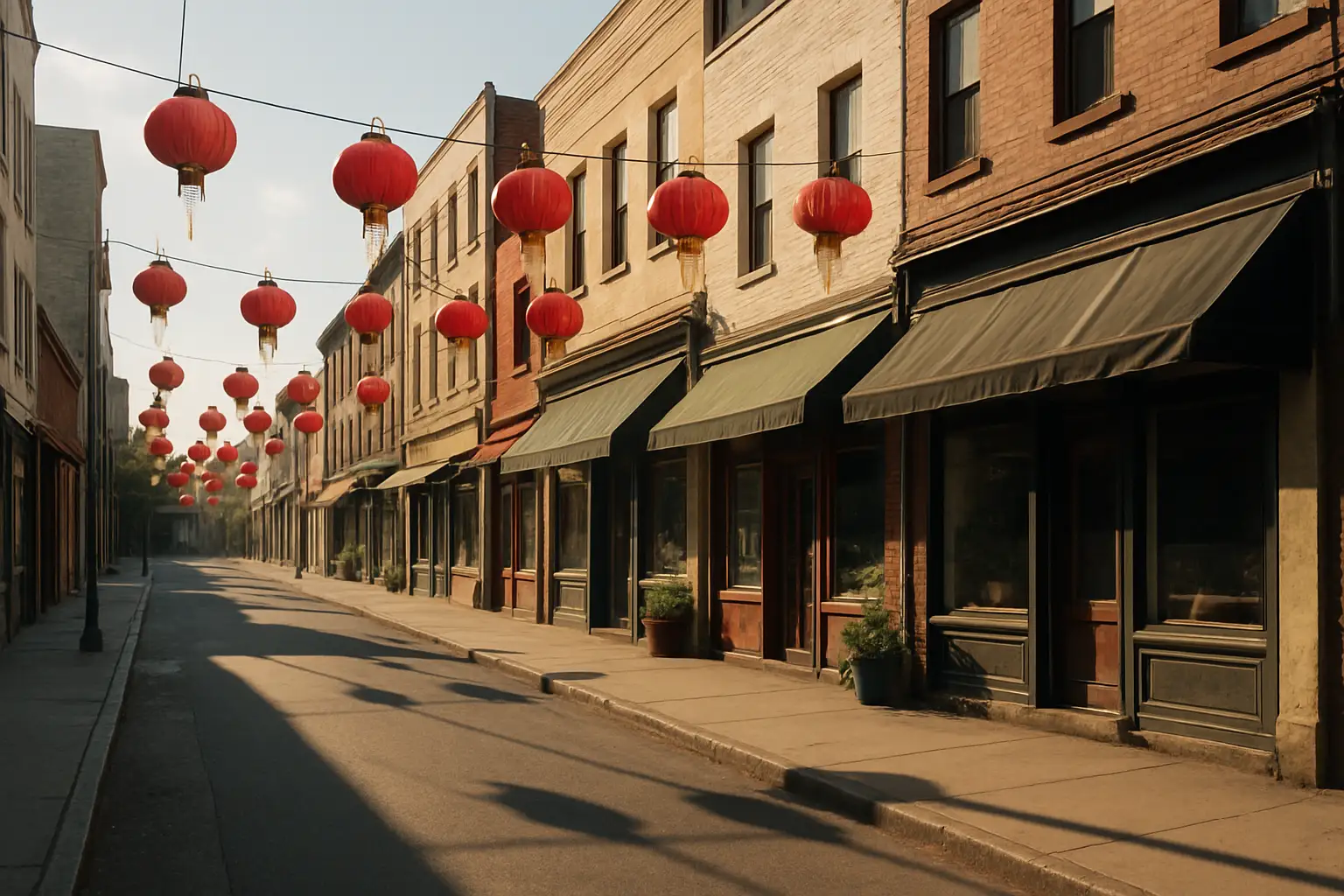
When FIFA matches came to Vancouver, the expectation among many local business owners was straightforward: more visitors in the city means more spending in the neighborhood. For Chinatown, that logic did not play out. According to reporting by Business in Vancouver, merchants in the historic district did not see the surge in customers they had anticipated during the tournament.
The disconnect highlights a pattern that smaller or specialty commercial districts often experience during major sporting events. Fans tend to cluster around official venues, fan zones, and downtown hospitality strips rather than spreading into surrounding neighborhoods. Chinatown, despite its proximity to the city center and its well-known restaurant and retail scene, appears to have fallen outside that footprint.
Why the Foot Traffic Didn't Reach Chinatown
Several factors likely contributed to the shortfall. Large-scale events like FIFA create well-defined corridors of activity. Sponsors, broadcasters, and event organizers set up designated spaces that absorb the bulk of visitor spending. Tourists and match-goers following those corridors have little reason to wander beyond them, especially if they are unfamiliar with the city.
Chinatown businesses, many of which are independently owned and operate on tight margins, had little ability to tap into official FIFA commercial channels. Without formal partnerships or placement in event marketing materials, they relied on organic foot traffic that simply did not materialize at the levels hoped for.
The situation is not unique to Vancouver. Host cities around the world have documented similar gaps between the headline economic impact of major tournaments and the ground-level reality for businesses outside the immediate event zone. Spending tends to concentrate rather than disperse.
A Missed Opportunity for Local Merchants
For Chinatown specifically, the FIFA window represented a rare chance to reach an international audience. The neighborhood has been working through a difficult period, with longstanding concerns about vacancy rates and foot traffic even outside of major events. A sustained influx of visitors could have introduced new customers to restaurants, shops, and cultural attractions that rarely get that kind of exposure.
Instead, many owners are left recalibrating. The costs of preparing for increased business, whether through extra staffing, additional inventory, or extended hours, do not simply disappear because the anticipated customers did not show up.
Business in Vancouver's reporting draws attention to the gap between civic boosterism around events like FIFA and the more complicated experience of merchants who sit just outside the commercial spotlight. That gap is worth taking seriously as Vancouver and other cities evaluate the real distribution of benefits from hosting major tournaments.
What It Means for Future Event Planning
The Chinatown experience raises practical questions about how host cities structure economic benefits for a broader range of neighborhoods. If the goal is genuinely to spread visitor spending across the city, that requires more than proximity to the action. It requires active promotion, accessible transit links that encourage exploration, and potentially formal programs connecting event visitors with local districts.
Without those elements, neighborhoods like Chinatown remain dependent on chance rather than planning. The FIFA tournament in Vancouver generated significant attention and spending, but based on what business owners in Chinatown reported to Business in Vancouver, very little of that found its way to their storefronts.
For city planners and future host committees, the lesson is clear. Hosting a global event creates a concentrated economic bubble. Making sure that bubble reaches more than just the immediate event zone takes deliberate effort, and in this case, that effort appears to have fallen short.


Football Correspondent
Alex covers football and the global game with fast, sharp analysis.