
Cyberthreats Grow as Sporting Events Scale to New Heights
As major sporting events attract record crowds and global audiences, security experts warn that cyberthreats targeting these gatherings are scaling up just as fast.
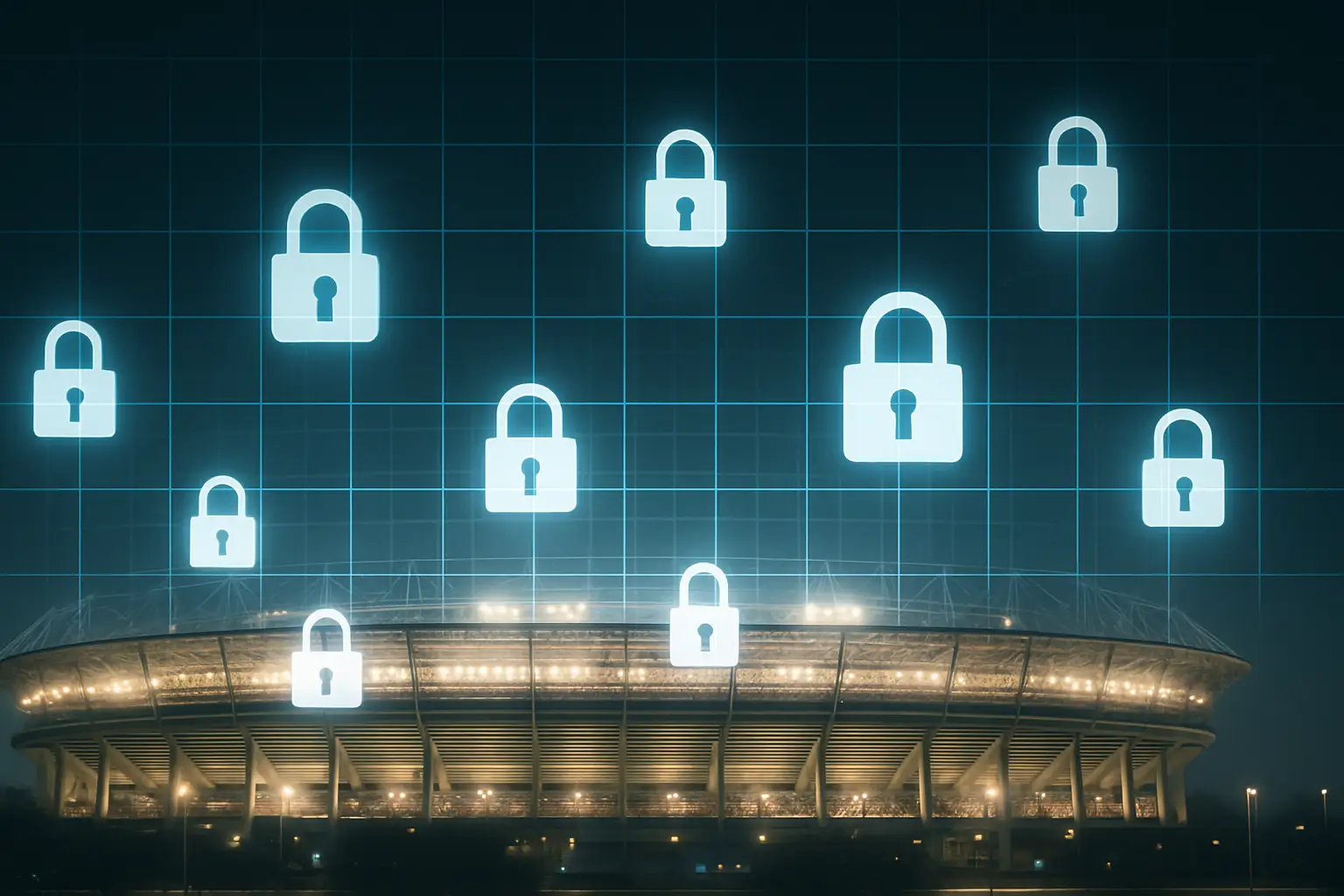


Cyberthreats Are Keeping Pace With Sport's Global Growth
Sporting events have never been bigger. Stadiums are selling out faster, broadcast audiences are breaking records, and the infrastructure behind every major tournament has grown into a sprawling digital operation. But that scale comes with a cost: cyberthreats targeting sporting events are rising in step with the industry's ambitions, according to reporting by iTWire.
The attack surface for a modern sporting event is enormous. Ticketing platforms, broadcast systems, sponsor networks, point-of-sale terminals, stadium Wi-Fi, and athlete data systems all connect to form a target-rich environment for malicious actors. A disruption to any one of those layers can cause chaos for organizers, fans, and broadcasters alike.
Why Sporting Events Are a Prime Target
High-profile events attract attention, and not just from fans. Cybercriminals see major tournaments and championships as opportunities for financial gain, disruption, or both. Ransomware groups have shown interest in time-sensitive targets where downtime carries extreme cost, and few environments are more time-sensitive than a live sporting final with millions of viewers tuned in.
Phishing campaigns around major events are common. Fake ticketing websites, fraudulent merchandise stores, and scam betting platforms tend to spike in the weeks leading up to marquee competitions. Fans in a hurry to secure seats or merchandise are easier to deceive, and cybercriminals know it.
Beyond financially motivated crime, some attacks carry a different motivation. Critical broadcast infrastructure and high-visibility occasions have drawn interest from state-linked actors looking to cause reputational damage or test offensive capabilities against Western targets.
The Infrastructure Problem
Organizing a modern sporting event means stitching together dozens of vendors, contractors, and technology partners. Each connection point is a potential vulnerability. Temporary networks set up for a single event often lack the hardening that permanent enterprise infrastructure receives. Staff brought in for short-term roles may not have undergone rigorous security vetting.
The 2018 Winter Olympics in Pyeongchang offered a stark lesson. The opening ceremony was disrupted by a sophisticated cyberattack, later attributed to a state-sponsored actor, that knocked out internet access, disabled broadcasting equipment, and took down the official event website. The attack was designed to look like it came from North Korea but investigators pointed to Russia. It was a reminder that sporting events, despite their celebratory nature, sit firmly in the crosshairs of serious threat actors.
More recently, the expansion of sports betting has added another layer of risk. Real-time data feeds that power live betting markets are attractive targets for manipulation. Corrupting or delaying that data, even briefly, can have significant financial consequences across multiple platforms simultaneously.
What Organizers and Fans Can Do
Security professionals argue that cybersecurity planning for major sporting events needs to begin as early as venue construction and vendor selection, not in the final weeks before opening ceremony. That means building security requirements into contracts, running tabletop exercises that simulate attacks on event-day systems, and establishing clear incident response chains before anything goes live.
For fans, basic hygiene matters. Buying tickets only through official channels, avoiding public stadium Wi-Fi for anything sensitive, and being skeptical of unsolicited emails or social media promotions tied to big events are all practical steps.
Sport's digital footprint will keep growing. Wearable tech for athletes, AI-driven referee tools, and increasingly immersive broadcast experiences all add new connected layers to an already complex ecosystem. Each innovation is also a new entry point, and the organizations running these events will need to treat cybersecurity as a core operational requirement rather than an afterthought bolted on at the end of the planning process.


Football Correspondent
Alex covers football and the global game with fast, sharp analysis.