EaDo Residents Push to Reclaim Green Space Lost to World Cup Prep
Neighbors in Houston's EaDo district are calling on city officials to restore community green space that was displaced during FIFA World Cup infrastructure work.


Houston Neighborhood Wants Its Green Space Back
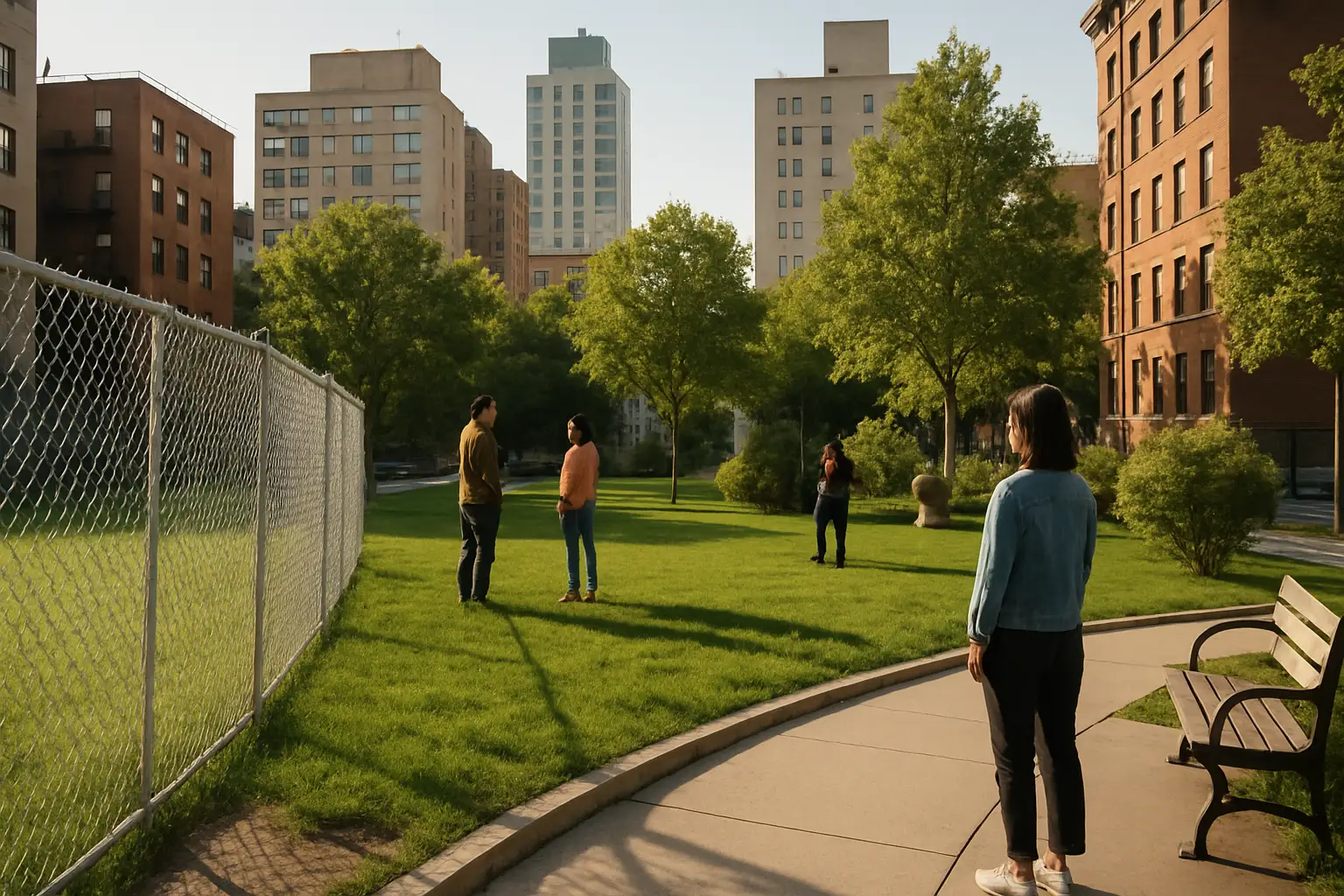
Residents of East Downtown Houston, known locally as EaDo, are demanding the restoration of green space that was lost when the area underwent changes tied to FIFA World Cup 2026 preparations. According to reporting by Click2Houston, community members have grown increasingly vocal, pressing local officials to return usable outdoor areas that were displaced during the makeover.
The complaints center on the loss of accessible open land that residents say served as a gathering point and recreational buffer in a densely built part of the city. With construction and infrastructure upgrades reshaping the neighborhood ahead of the global soccer tournament, locals argue that the community absorbed costs, in the form of lost parks and green areas, without receiving a clear plan for restoration.
What Residents Are Saying
Neighborhood voices have grown louder as the World Cup approaches. Community members say they were not adequately consulted before green areas were cleared or repurposed. Many feel the upgrades primarily serve visiting fans and event logistics rather than the people who live there year-round.
The concern is straightforward: EaDo is a relatively compact urban district, and any reduction in green space has an outsized effect on daily quality of life. Residents want a concrete commitment, not a vague promise, that parks and open areas will be rebuilt or replaced once World Cup activity winds down.
City officials have not publicly outlined a firm timeline or specific plan for restoring the affected green areas, based on available reporting. That silence has fueled frustration in the neighborhood.
The Bigger Picture: World Cup Infrastructure and Local Impact
Houston is one of several American cities hosting matches during the 2026 FIFA World Cup, which spans the United States, Canada, and Mexico. The tournament brings significant investment in transportation corridors, public plazas, and venue surroundings. But urban neighborhoods close to stadiums and fan zones often bear the disruption directly.
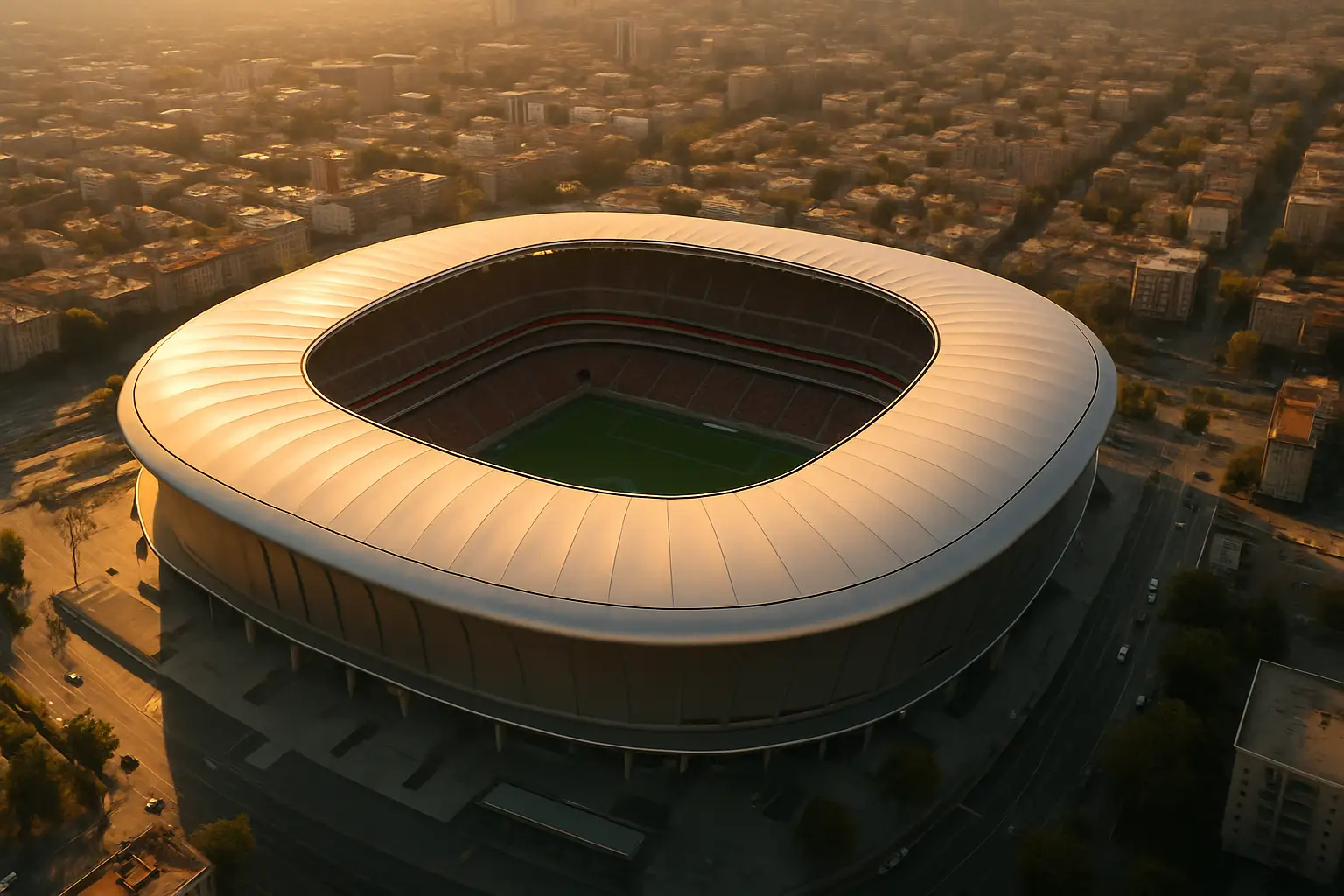
EaDo sits near NRG Stadium, Houston's primary large-venue hub, putting it squarely in the path of event-driven development pressure. Residents of similar neighborhoods in other host cities have raised comparable concerns about temporary event infrastructure eating into community land.
The tension between major sporting events and local residential needs is not new. Cities routinely weigh the economic benefits of hosting against the short- and medium-term disruptions for people who live nearby. In EaDo, the argument from residents is simple: the neighborhood should not permanently lose green space simply because the city is hosting a high-profile tournament.
What Comes Next
Residents say they plan to keep pressure on city officials to produce a clear restoration plan. The ask is not opposition to the World Cup itself, but accountability for what happens to the neighborhood after the final whistle blows.
With the 2026 tournament still ahead, there is time to address the situation, but community members argue that planning needs to happen now, before additional changes lock in the current layout. How Houston responds could set a tone for how other host cities handle similar neighborhood concerns as the event draws closer.


Football Correspondent
Alex covers football and the global game with fast, sharp analysis.