FIFA Chief Sacked After Challenging Infantino's World Cup Sell-Off Plan
A senior FIFA official has been dismissed following public criticism of Gianni Infantino's controversial plan to commercialize World Cup rights, according to reporting by The Guardian.
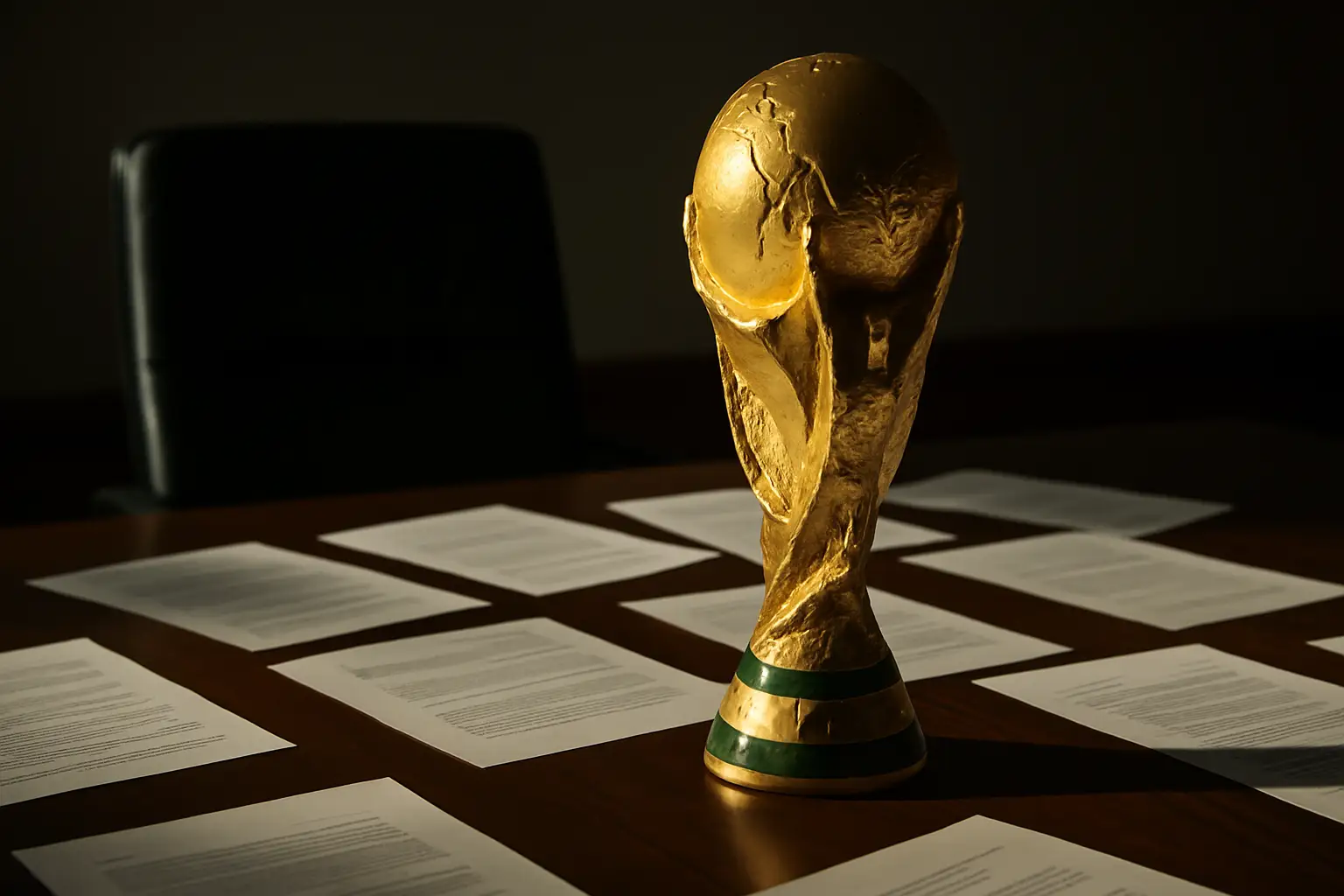


Senior FIFA Official Loses Job Over World Cup Commercialization Row
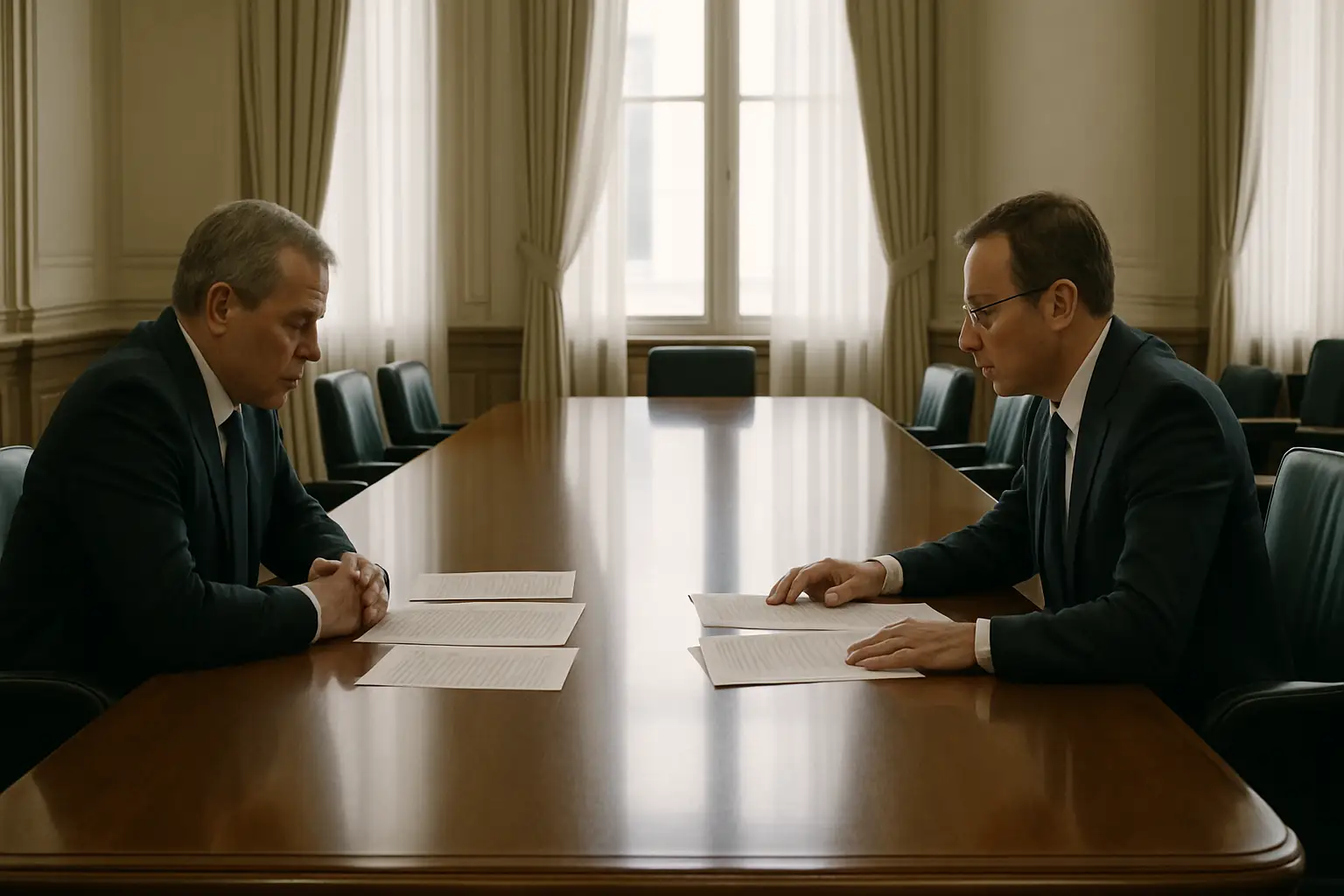
A top FIFA official has been sacked after speaking out against president Gianni Infantino's plan to sell off commercial rights connected to the World Cup, according to reporting by The Guardian. The dismissal has renewed scrutiny of how FIFA's leadership handles internal dissent, and raises fresh questions about the direction of the sport's most valuable property.
The move comes as Infantino pushes forward with a broader strategy to monetize World Cup assets in ways that critics inside and outside the organization say could undermine the tournament's integrity and long-term value. The official who was let go had reportedly raised objections to that approach, and paid for it with their position.
FIFA has not publicly detailed the reasons for the termination, a pattern consistent with how the governing body has typically managed personnel matters under Infantino's tenure.
What the Sell-Off Plan Involves
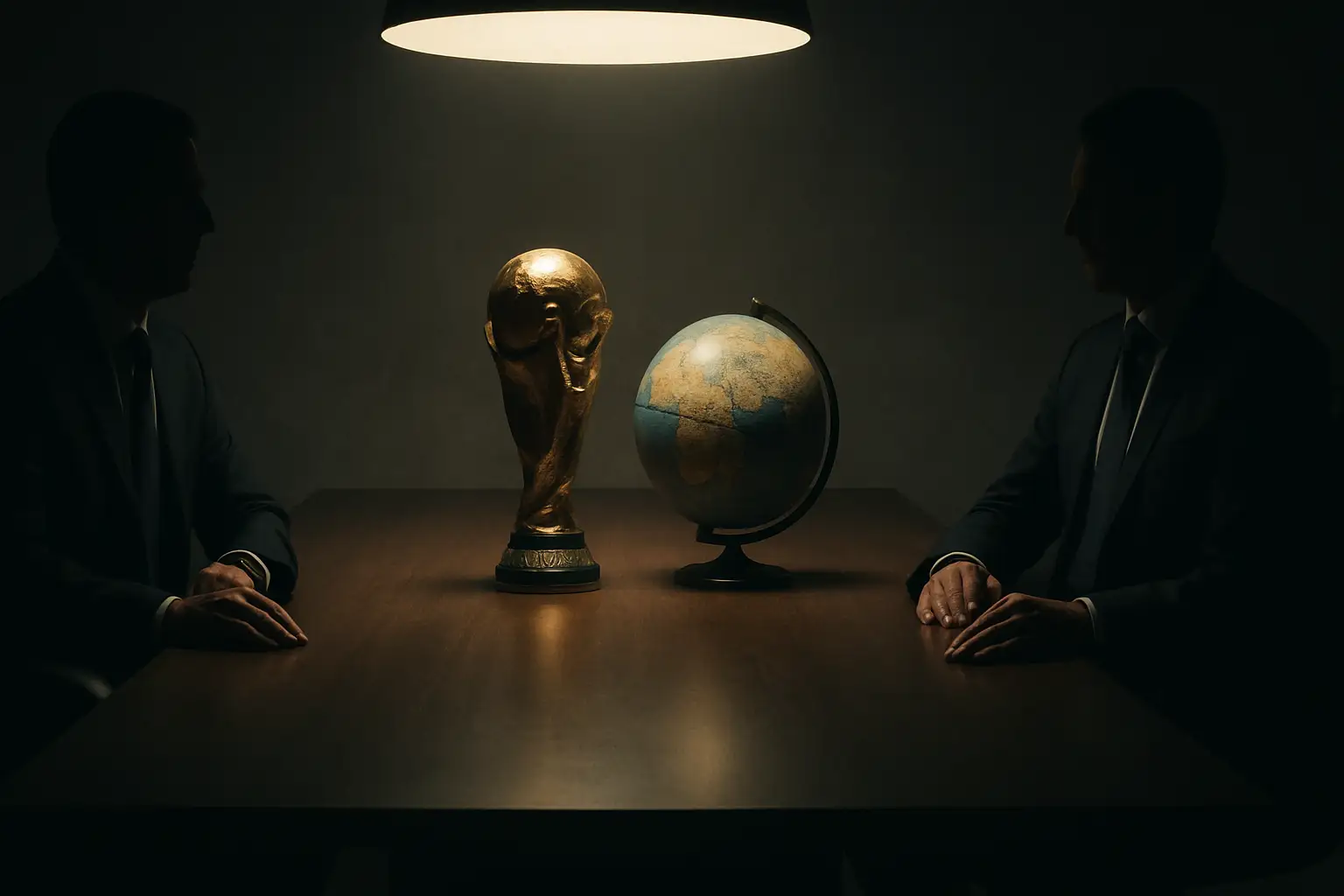
Infantino's commercialization push centers on proposals to bring in outside investors or private entities to share in the revenues generated by the World Cup, one of the most lucrative sporting events on the planet. Supporters of the plan argue it could unlock significant new funding for football development globally. Critics counter that handing commercial control, even partially, to private interests sets a dangerous precedent for a tournament that belongs, in spirit, to the global game.
The Guardian's reporting identifies the sacking as a direct consequence of the official's willingness to challenge that plan internally. Whether through formal objections or public comment, the criticism apparently crossed a line for FIFA's leadership.
This is not the first time FIFA's internal culture has come under scrutiny. The organization spent years rebuilding its public image following the sweeping corruption scandal that led to the resignation of Sepp Blatter in 2015 and resulted in criminal charges against numerous officials across multiple continents. Infantino took over in 2016 on a platform of reform and transparency, though critics have argued that the organization's appetite for dissent has remained limited.
Governance Concerns Surface Again
The timing of the dismissal is notable. Infantino has spent recent months in an unusually prominent public role, appearing at high-profile political events and advocating for an expanded 48-team World Cup format, which itself attracted considerable debate. His leadership style, often described as hands-on and centralized, has drawn both admiration from allies and concern from those who believe FIFA's governance structures require stronger independence.
Firing a senior figure who questioned a major commercial strategy sends a signal, intentional or not, about the limits of internal debate at the organization. For a body that governs football for more than 200 member associations around the world, that signal carries weight.
Governance watchdogs and some national football federations have called for greater transparency around any deals that would affect World Cup commercial rights. The concern is that short-term revenue gains could compromise FIFA's ability to negotiate from a position of strength in future broadcast and sponsorship cycles, and that private investors would prioritize returns over the sport's broader interests.
FIFA has yet to respond in detail to those concerns, and the exact terms of any proposed sell-off arrangement remain unclear based on publicly available information.
What Comes Next
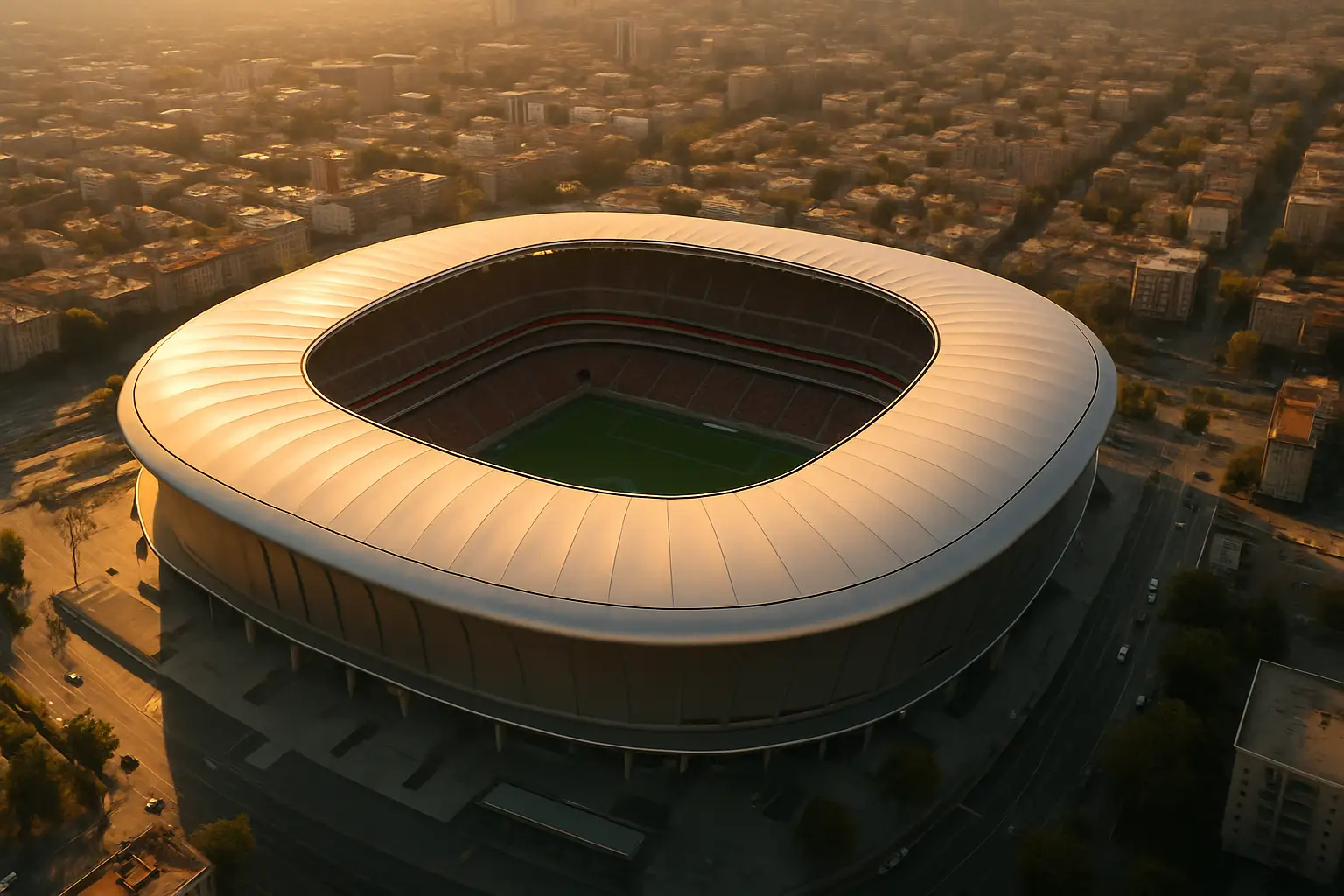
The sacking adds pressure on FIFA's leadership at a moment when the organization is preparing for back-to-back mega-tournaments, including the expanded 2026 World Cup to be held across the United States, Canada, and Mexico. With commercial negotiations for that event already well advanced, any uncertainty around the governance of rights and revenues is likely to attract ongoing attention from broadcasters, sponsors, and member associations alike.
For now, the departure of a senior official willing to question the Infantino administration's commercial direction stands as the most concrete development in this dispute. Whether others inside FIFA share similar reservations, and whether they choose to voice them, remains to be seen.


Football Correspondent
Alex covers football and the global game with fast, sharp analysis.