FIFA Defends Infantino Amid Resignation Calls and Morocco Deal Denial
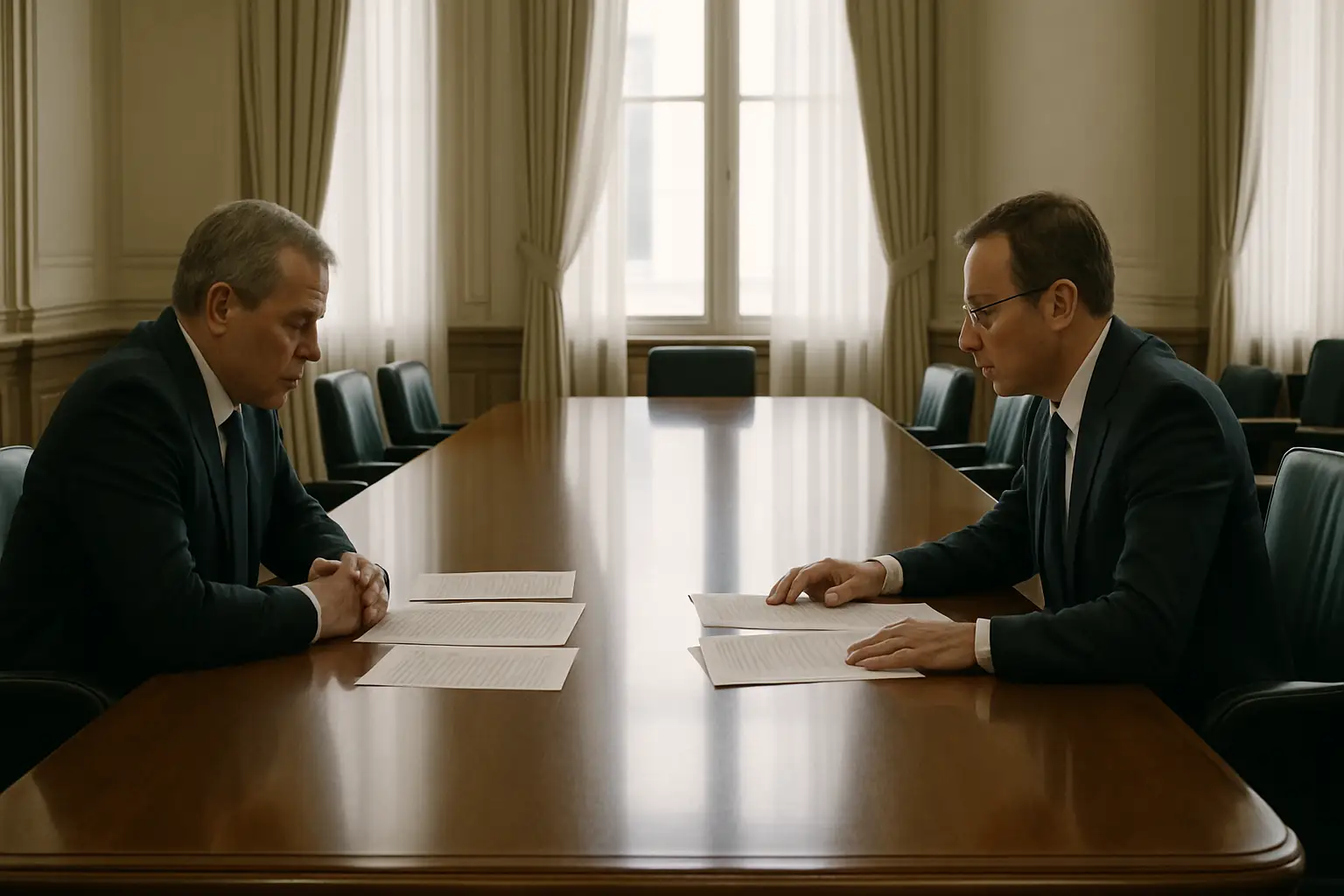
FIFA says Gianni Infantino retains backing from some board members despite growing calls for his resignation, and flatly denies a report he offered Morocco a World Cup final slot for re-election support.



FIFA Pushes Back as Pressure Mounts on Infantino
Gianni Infantino is facing one of the most turbulent stretches of his tenure as FIFA president, with calls for his resignation circulating and a damaging allegation linking his re-election campaign to promises made over the 2030 World Cup. FIFA has responded by insisting Infantino still holds meaningful support within the organization's governing board, and by categorically denying the deal claim.
The allegation, reported by Yahoo Sports Canada, is striking: that Infantino promised Morocco a World Cup final host slot in exchange for backing his bid to stay in the top job. FIFA called the report false. The denial was firm, but the mere existence of the accusation adds to a growing list of governance questions swirling around the Swiss-Italian administrator.
Infantino has led FIFA since 2016 and has secured re-election multiple times since. He has also relocated to Riyadh and cultivated close ties with Gulf states, moves that have themselves drawn scrutiny from critics who argue the presidency has drifted far from its traditional European and South American anchors.
What FIFA Is Saying
FIFA's position, as reflected in reporting by Yahoo Sports Canada, is that the board has not turned against Infantino en masse. Some members continue to back him, the organization said, framing the resignation calls as a minority view rather than a groundswell that threatens his position.
The governing body stopped short of saying Infantino's support is universal. The careful wording suggests internal tensions exist, even if FIFA is not prepared to acknowledge a full-blown crisis of confidence.
On the Morocco allegation specifically, FIFA's denial was unambiguous. Promising a host nation a specific match assignment, such as the final, in exchange for political support would represent a serious breach of both competitive integrity and FIFA's own ethical rules. FIFA says it did not happen.
Morocco is already a confirmed co-host of the 2030 World Cup alongside Spain and Portugal, with Argentina, Uruguay, and Paraguay hosting centenary matches. The tournament's full hosting structure is complex, and the allocation of high-profile matches like the final is a sensitive matter.
Why the Pressure Is Building
The calls for Infantino's resignation did not emerge from a single incident. They reflect accumulated frustration among some football officials and observers over the direction of the sport under his leadership. Concerns have included the expansion of FIFA's tournament calendar, the creation of the revamped Club World Cup, the handling of governance reforms, and his relocation away from FIFA's Zurich headquarters.
The Morocco allegation, whether proven or not, feeds into a broader narrative that decision-making at the top of football can be transactional. That perception alone is damaging for an organization that has spent years trying to recover its credibility after the sprawling corruption scandals of 2015.
Infantino himself has not been charged with any wrongdoing. Swiss prosecutors opened a preliminary investigation into a meeting between him and a Swiss attorney general years ago, but that process has not produced charges against him.
What Comes Next
Whether the current pressure translates into any formal challenge to Infantino's position remains to be seen. FIFA's congress, which is the body that elects the president, would be the arena for any leadership change. Without a significant bloc of member associations willing to push the matter, calls for resignation from outside the congress carry limited structural weight.
For now, FIFA appears to be managing the situation by holding its ground, defending Infantino's record and denying the specific allegation while acknowledging, implicitly, that not everyone inside the boardroom is satisfied.
The Morocco World Cup final claim is likely to face further scrutiny. If evidence surfaces to contradict FIFA's denial, the political calculus inside the organization could shift quickly. If the allegation fades without corroboration, Infantino's position may prove more durable than the current noise suggests.


Football Correspondent
Alex covers football and the global game with fast, sharp analysis.