FIFA Executives Faced Privatization Ultimatum on World Cup Final Eve
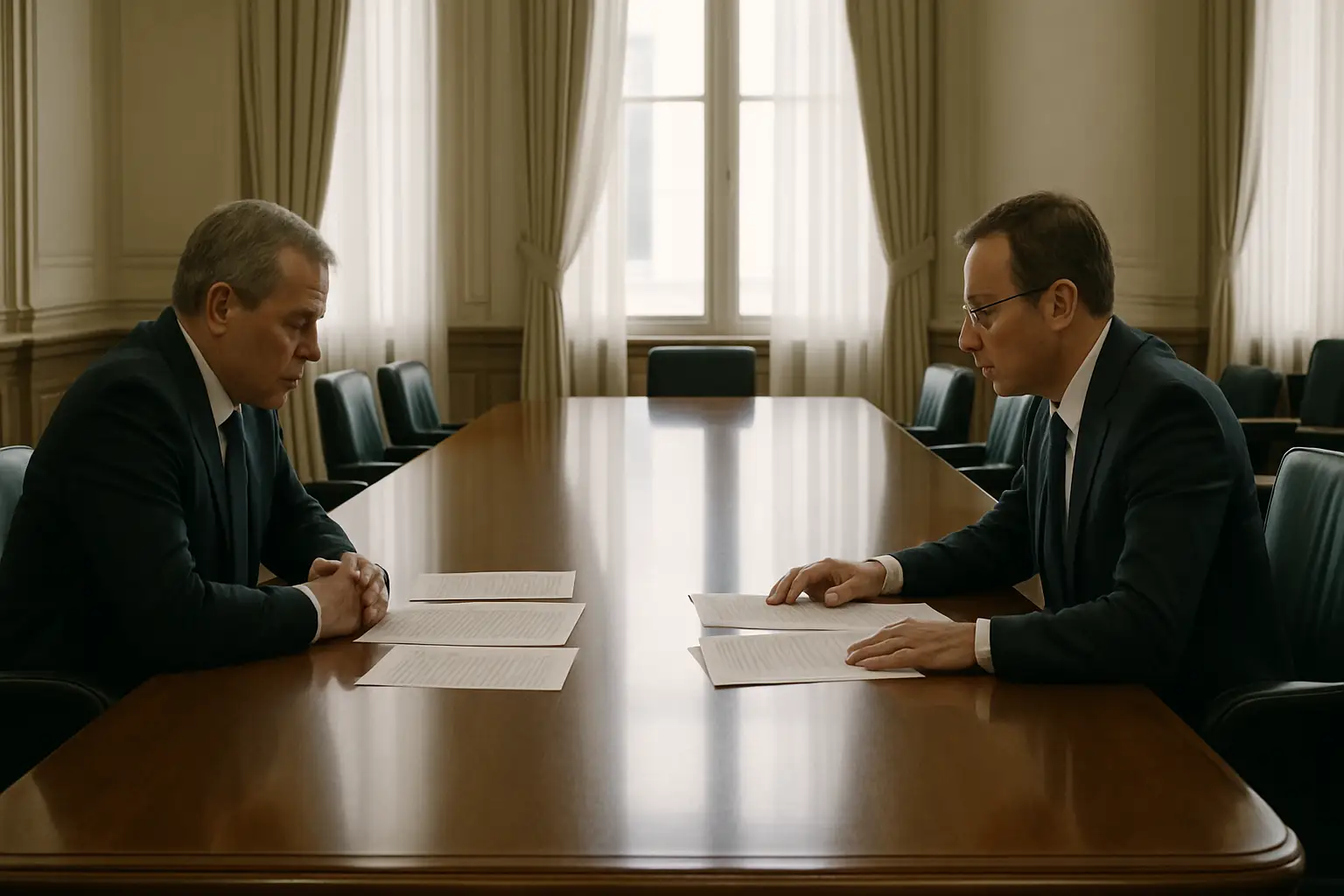
FIFA executives were reportedly handed an ultimatum to approve a controversial privatization project just one day before the World Cup final, raising urgent governance concerns.


FIFA Under Pressure at the Worst Possible Moment
With the world's attention fixed on the World Cup final, a separate and far more uncomfortable drama was unfolding inside FIFA's corridors. According to a report circulating on Facebook and picked up by Google News, senior FIFA executives received an ultimatum demanding approval of a controversial privatization project, and the deadline landed just one day before the tournament's biggest match.
The timing was striking. Any decision of that magnitude, pushed through under pressure during the most-watched sporting event on the planet, would carry serious implications for how football's governing body is perceived globally.
What the Ultimatum Involved
Details remain limited at this stage. The report identified the project as a privatization initiative that had already attracted controversy before the ultimatum was issued. FIFA executives, the report suggests, were given no room to delay, with pressure applied at a moment when the organization's leadership would typically be consumed by final preparations and ceremonial duties.
Privatization proposals within football governance have historically triggered fierce debate. Critics tend to argue they shift control of the sport's infrastructure or revenue streams away from member associations and toward private investors, with long-term consequences that are difficult to reverse.
FIFA has not, based on available reporting, issued any public statement confirming or denying the ultimatum or the project it relates to.
Why the Timing Raises Red Flags
Pressuring executives on the eve of a World Cup final is not standard procedure. Major governance decisions at FIFA are supposed to pass through defined institutional channels, including council votes and formal review processes. Delivering an ultimatum outside those channels, and doing so when key figures are occupied with the sport's flagship event, is the kind of move that governance watchdogs have flagged in previous FIFA controversies.
FIFA has spent years attempting to rehabilitate its reputation following corruption scandals that led to criminal charges against multiple former officials in the 2010s. Any suggestion that significant decisions are being forced through under deadline pressure, rather than deliberated properly, risks dragging that reputation back into question.
Observers familiar with football governance have long warned that the structural reforms FIFA adopted after 2015 still leave room for powerful actors to apply informal pressure on decision-makers. Whether that is what happened here remains unconfirmed.
What Happens Next
The story is still developing. The original report, shared via Facebook and surfaced through Google News, does not yet carry detailed sourcing on which executives were targeted, who issued the ultimatum, or what specific assets or rights the privatization project covers.
Those details matter considerably. A privatization project tied to broadcasting rights, stadium infrastructure, or competition management would each carry different legal and political weight. Until FIFA or credible named sources speak on the record, the full scope of the controversy is unclear.
What is clear is that the choice to apply pressure at this particular moment, if the report is accurate, reflects a deliberate calculation. The World Cup final commands the full attention of football's leadership and its global audience. Someone, apparently, decided that was exactly the right time to force a decision.


Football Correspondent
Alex covers football and the global game with fast, sharp analysis.