Top FIFA Executives Split With Infantino Over World Cup Plan
Senior FIFA officials are publicly distancing themselves from Gianni Infantino's World Cup expansion plans, signaling rare internal dissent at the top of global football's governing body.



Senior FIFA Officials Push Back on Infantino's World Cup Vision
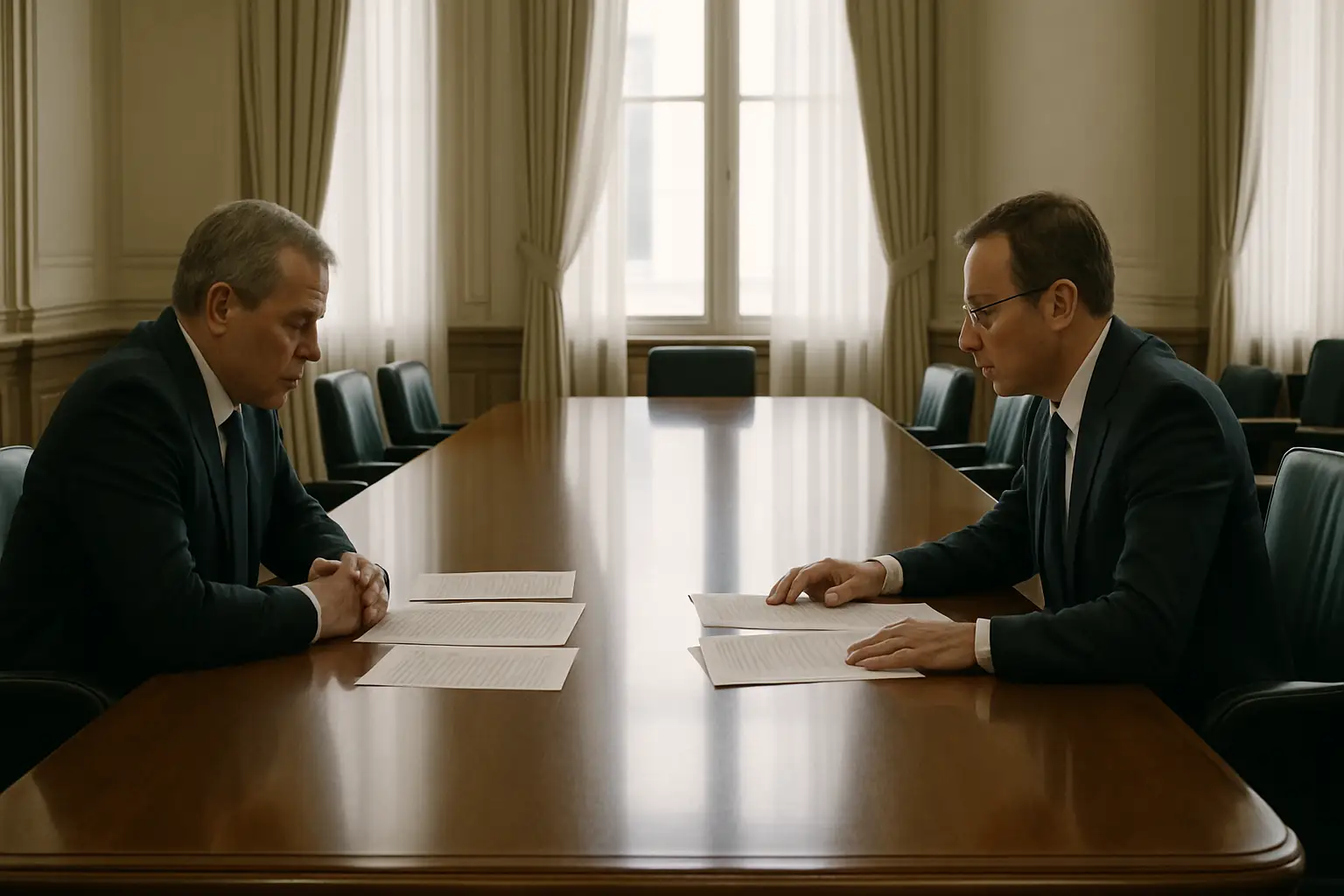
A rare crack has appeared at the top of FIFA. Senior executives within the governing body have broken ranks with president Gianni Infantino over his plans for the World Cup, according to reporting by ESPN. The split is significant because public dissent from inside FIFA's leadership is uncommon, and it points to genuine disagreement about the direction of the sport's most watched tournament.
The details of exactly which elements of the World Cup plan are in dispute have not been fully disclosed, but the rift is serious enough that multiple top officials felt compelled to separate themselves from Infantino's position. For an organization that typically presents a united front, that kind of internal fracture is notable.
What the Dispute Signals for FIFA's Leadership
Infantino has spent much of his presidency pushing aggressive growth for the World Cup. He was the driving force behind expanding the tournament from 32 to 48 teams, a format that debuted at the 2026 edition being co-hosted by the United States, Canada, and Mexico. Any further changes or additions to the World Cup structure would require buy-in from the broader FIFA leadership, and this latest dispute suggests that buy-in is not guaranteed.
The fact that executives, rather than just member federations, are the ones objecting matters. Internal officials have far more direct knowledge of how plans are being developed and what trade-offs are involved. Their opposition carries a different weight than criticism from outside the organization.
FIFA under Infantino has often operated with a centralized decision-making style, with the president playing an outsized role in shaping major policy. That approach has delivered results in terms of commercial revenue and tournament expansion, but it has also generated friction. This latest episode suggests that friction has reached FIFA's own executive layer.
What Comes Next
It is unclear whether the dissenting executives will be able to slow or alter Infantino's World Cup plans. Historically, FIFA presidents have managed to push through major initiatives even when faced with internal resistance, partly because of how votes are structured within the organization's congress. Infantino was re-elected unopposed in 2023, which gives him a strong political base.
But governing bodies do respond to sustained internal pressure, particularly when the stakes involve a tournament that generates billions of dollars in revenue and shapes the commercial relationships FIFA holds with broadcasters and sponsors around the world. Any perception of instability or division could complicate negotiations with those partners.
ESPN's reporting brings attention to a fault line that is likely to widen as FIFA moves closer to decisions about future World Cup cycles. The 2030 tournament, which is planned across multiple continents including Europe, Africa, and South America, and the 2034 edition awarded to Saudi Arabia, are both on the horizon. How Infantino's plans interact with those tournaments may be at the center of the internal debate.
The coming weeks should clarify whether this dispute remains a contained disagreement or develops into a broader challenge to Infantino's authority inside FIFA.


Football Correspondent
Alex covers football and the global game with fast, sharp analysis.