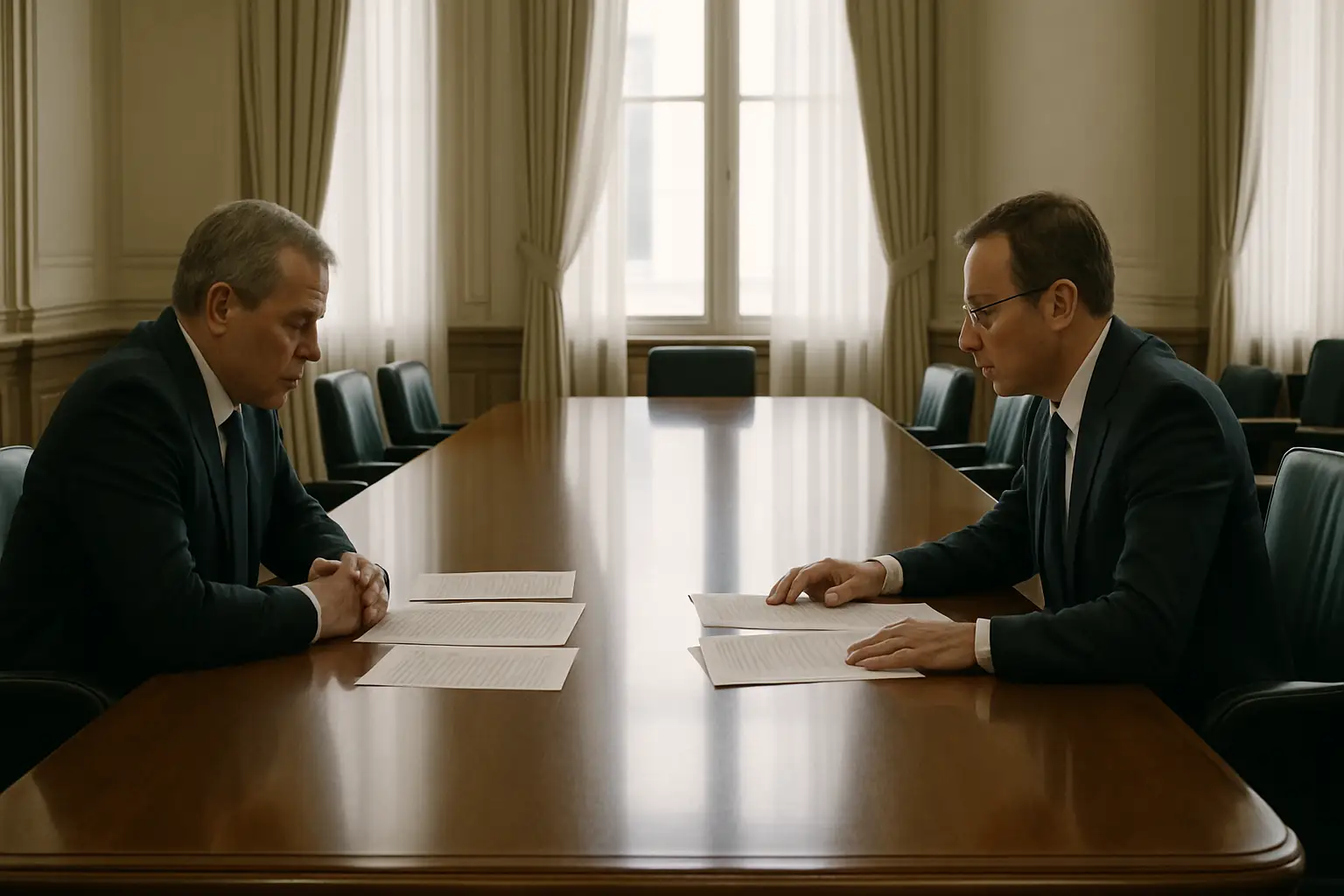
FIFA Under Fire: Reporter Questions Leniency in Argentina Association's $33M Case
A reporter has publicly challenged FIFA over what they describe as a lenient approach to punishing players in connection with Argentina's football association and a $33 million payout.
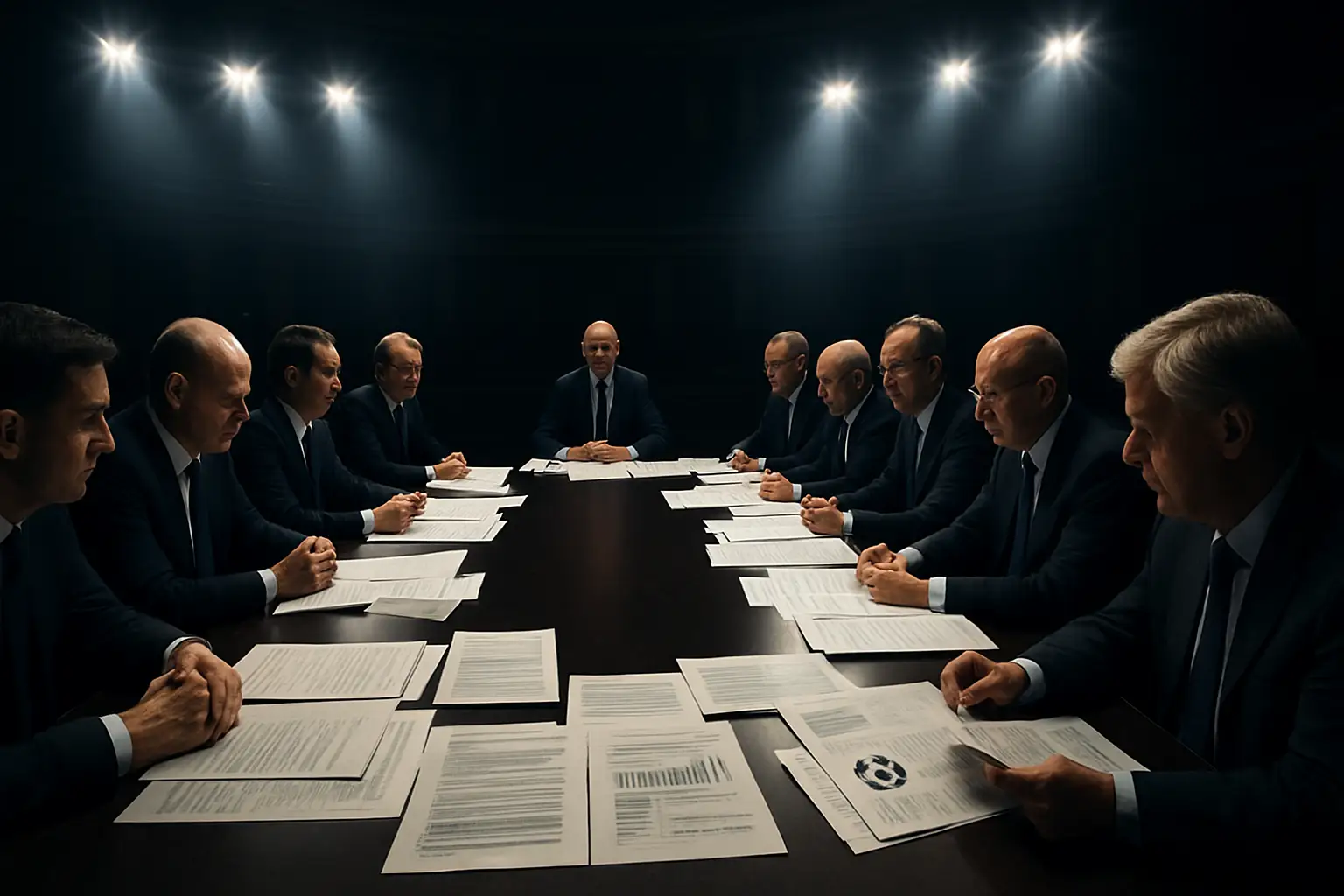


FIFA's Selective Discipline Draws Scrutiny
FIFA's approach to player discipline is facing sharp criticism after a reporter called out the governing body for what was described as "relative leniency" in handling sanctions connected to a $33 million payout involving Argentina's football association. The criticism raises broader questions about how FIFA applies its rules and whether players are being held to a different standard than the institutions that govern them.
According to reporting picked up by Yahoo Sports, the core of the argument is straightforward: if an association is found to be involved in a financial matter of this scale, the penalties handed down to individual players connected to the case appear disproportionately mild. Critics argue that holding players accountable while the association itself navigates consequences for a $33 million payout creates an uneven playing field in terms of accountability.
The $33 Million Payout at the Center of the Dispute
The Argentina football association's $33 million payout is the financial flashpoint here. While the full details of how that sum came about and who authorized it remain tied to the original reporting, the existence of such a significant disbursement naturally invites questions about oversight, governance, and who ultimately answers for decisions made at the institutional level.
What the reporter highlighted is a familiar tension in sports governance. Governing bodies like FIFA have substantial tools available to discipline individual athletes, including bans, fines, and suspensions. Those mechanisms tend to move quickly and visibly. Institutional accountability, by contrast, can move slowly and result in outcomes that look modest relative to the seriousness of the underlying conduct.
That gap, the reporter argues, is exactly what happened here. Players faced sanctions while the association's payout, a figure that dwarfs what any individual player would typically be fined, drew comparatively softer consequences.
Why the Criticism Matters for Football Governance
This is not the first time FIFA has faced questions about how evenly it applies discipline across different levels of the game. Associations, federations, and governing bodies operate with a layer of institutional protection that individual players simply do not have. When a player steps out of line, the machinery of football's rulebook responds fast. When an association is implicated in financial irregularities or controversial payouts, the process tends to be longer, quieter, and often less punishing in practical terms.
The reporter's critique lands in that gap. Calling the treatment of players "relative leniency" is a pointed phrase, suggesting the leniency is not absolute but exists only in comparison to what the association received, or more precisely, what it did not receive in terms of serious punishment.
For fans and observers of football administration, the story fits into a pattern of frustration with how FIFA handles cases that mix money, power, and accountability. The $33 million figure is not a rounding error. It is a substantial sum, and the question of who bears responsibility for it, and how FIFA responds to that responsibility, matters for the credibility of the sport's governance structure.
What Comes Next
The immediate pressure is on FIFA to respond to the criticism, either by clarifying the rationale behind its disciplinary decisions or by taking steps that demonstrate more consistent enforcement across players and associations alike. Without that, the perception of a two-tier system, one for athletes and one for the institutions above them, will persist.
The reporter's challenge, published through Yahoo Sports, adds public accountability to what might otherwise remain an internal football administration dispute. Whether FIFA addresses the inconsistency directly or allows the criticism to pass without comment will itself be informative about how seriously the governing body takes questions of fairness in its own disciplinary process.


Football Correspondent
Alex covers football and the global game with fast, sharp analysis.