
FIFA World Cup 2026: Eight Data Takeaways That Tell the Real Story
Visa has released eight key data points from the FIFA World Cup 2026, shedding light on spending patterns, fan travel, and the tournament's massive economic footprint.
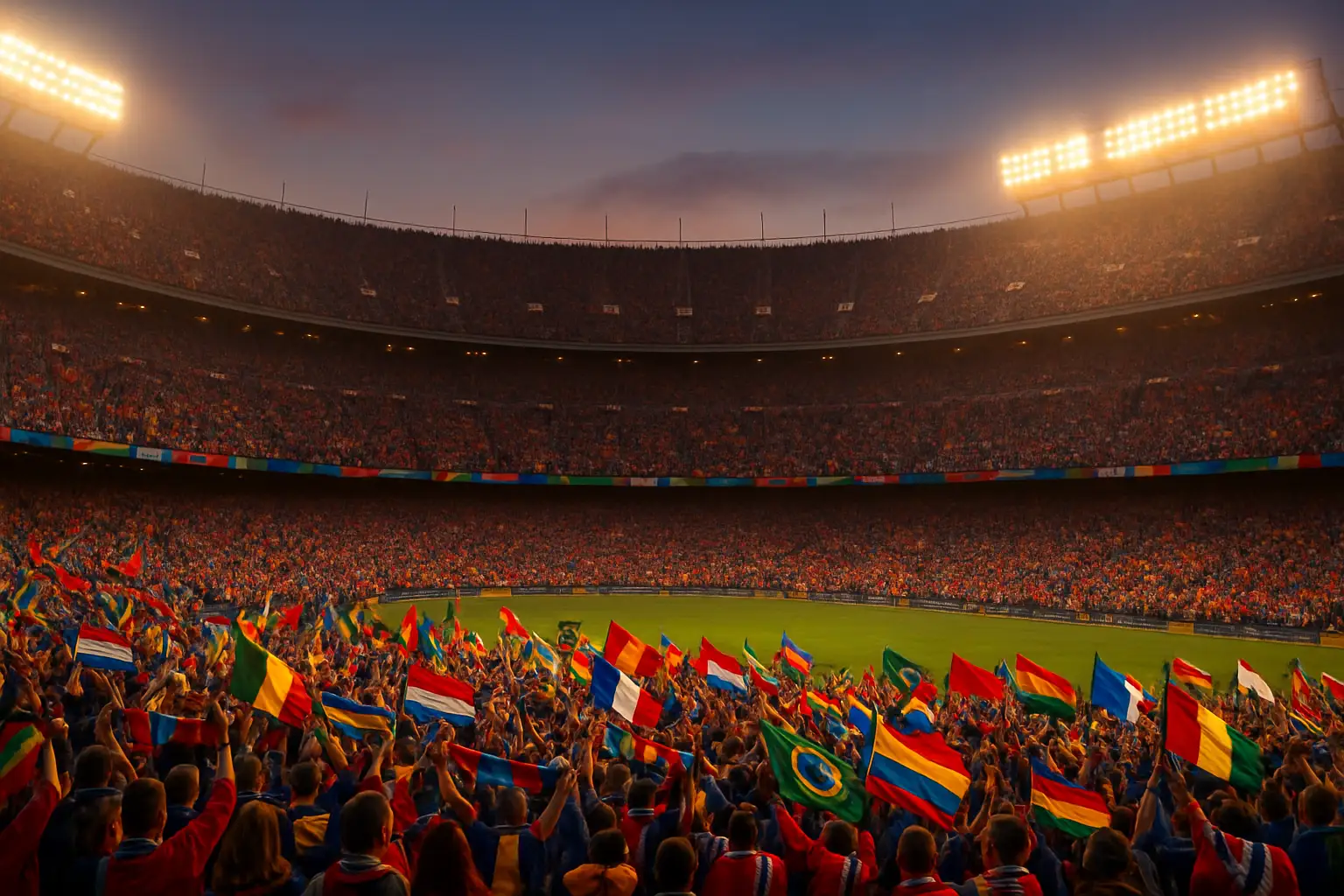


FIFA World Cup 2026 by the Numbers
The FIFA World Cup 2026 is shaping up to be the largest edition of the tournament in history, and new data published by Visa gives a clearer picture of what that means in practical terms. Spread across 16 host cities in the United States, Canada, and Mexico, the expanded 48-team format has created an event unlike anything seen before in international football. The eight key data takeaways Visa highlighted reveal trends in consumer spending, visitor volumes, and the commercial scale of the competition.
The report draws on Visa's position as an official FIFA partner and its access to transaction data across host markets. While Visa did not release every underlying figure publicly, the broad patterns it identified point to a tournament that is breaking records well beyond the pitch.
Spending, Travel, and Fan Behavior
One of the clearest signals from the data is the scale of international travel tied to the tournament. Fans are flying longer distances and booking stays in multiple cities, a behavior pattern that reflects the geographically spread nature of a three-country event. Hospitality and accommodation categories saw some of the sharpest spending increases among cardholders tracked during the group stage.
Food and beverage spending also emerged as a standout category. Host city venues and surrounding districts recorded elevated transaction volumes on matchdays, with spending peaks extending well beyond stadium hours. This suggests that fans are treating World Cup trips as broader tourism experiences rather than single-game visits.
Retail spending on merchandise and apparel tracked notably higher compared to previous tournaments, according to the Visa data. The expanded field of 48 nations means more fan bases are represented, which translates directly into stronger demand for team gear across a wider range of markets.
Digital and contactless payments accounted for a growing share of total transactions at tournament venues. Visa's data indicated that tap-to-pay adoption at World Cup sites was higher than at comparable large-scale sporting events in recent years, a trend that aligns with broader shifts in how consumers pay across North America.
Economic Scale and Host City Impact
The three-host-nation structure has distributed economic activity across a broader footprint than any previous World Cup. Cities that might not have benefited from a single-country tournament are recording meaningful bumps in visitor spending. Smaller host markets in particular are seeing proportionally larger impacts relative to their normal tourism baselines.
Visa's data also pointed to strong cross-border spending flows between the US, Canada, and Mexico. Fans attending games in one country and then traveling to another for later rounds are generating transaction activity that spans multiple currencies and financial systems, adding complexity but also volume to the overall commercial picture.
The report flagged that mobile wallet usage among traveling fans was higher than in previous World Cups, reflecting both generational shifts in payment habits and the infrastructure investments made by host venues ahead of the tournament.
Finally, the data showed that spending in the days immediately surrounding matchdays, covering arrival, the game itself, and departure, was significantly higher than on non-matchday periods in the same cities. That compression of economic activity into short windows creates logistical challenges for host cities but also concentrated revenue opportunities for local businesses.
What the Numbers Mean for Football's Biggest Stage
Taken together, the eight takeaways Visa published paint a picture of a tournament that is generating economic activity at a scale commensurate with its expanded format. More teams, more cities, and more matches have not diluted fan engagement. If anything, the data suggests the opposite: longer trips, higher per-visit spending, and broader geographic distribution of the tournament's commercial benefits.
For football fans tracking the business side of the game, the Visa report is a useful early snapshot of how the 2026 edition is performing against expectations. The full picture will only emerge after the final in July, but the trajectory suggested by current data points to a record-setting tournament by most measurable standards.


Football Correspondent
Alex covers football and the global game with fast, sharp analysis.