FIFA World Cup 2026: What Fans Need to Know Right Now
The FIFA World Cup 2026 is generating serious buzz across the globe. Here is a concise breakdown of what supporters should have on their radar ahead of the tournament.


FIFA World Cup 2026 Builds Global Momentum
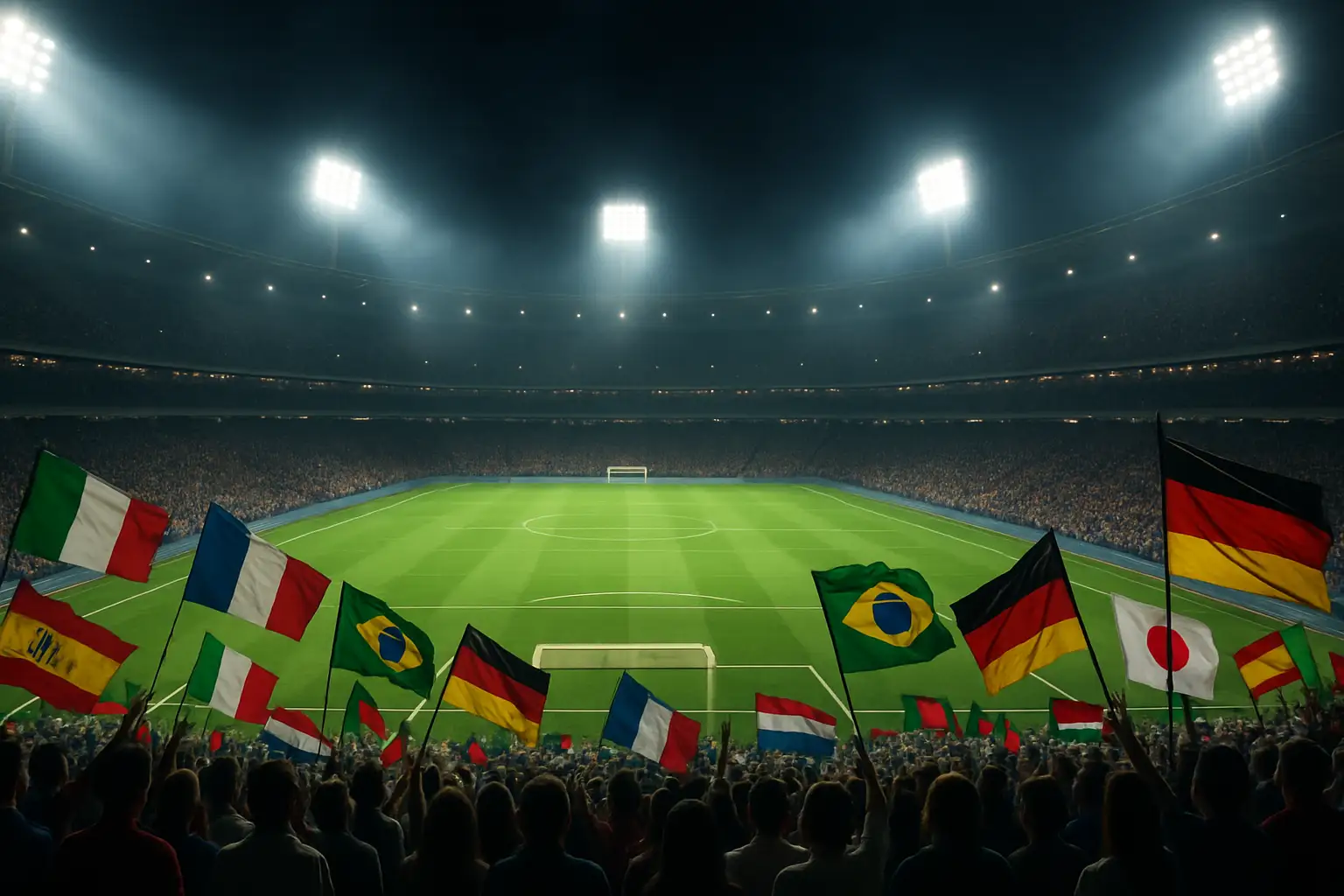
The FIFA World Cup 2026 is already one of the most anticipated sporting events in recent memory, and the build-up is well underway. Set to be co-hosted by the United States, Canada, and Mexico, the tournament will be the first to feature 48 national teams, expanding from the 32-team format that defined previous editions. For football fans worldwide, that means more matches, more nations represented, and more chances for upsets.
Mshale, a publication that covers news relevant to African communities in North America, has highlighted the tournament as a major point of interest for its readership. African nations qualifying for the expanded field will have a stronger statistical chance of advancing deep into the competition, given the broader bracket structure.
A Tournament Spread Across Three Nations
One of the defining features of the 2026 edition is its geographic scope. Matches will be played across 16 host cities, with venues stretching from Vancouver in the north to Guadalajara in the south. The United States will host the bulk of games, including the final, which is scheduled for MetLife Stadium in East Rutherford, New Jersey.
For supporters planning to travel, the tri-nation format presents both opportunity and logistical complexity. Fans may find themselves crossing international borders between group-stage matches depending on how their team's schedule falls. FIFA has indicated it is working with host governments on streamlined travel arrangements, though specific details on cross-border fan policies are still being confirmed.
The sheer number of venues also means that host cities with smaller football cultures will be introduced to the sport at its highest level. Cities like Kansas City, Dallas, and Seattle are among those preparing infrastructure upgrades to handle the expected surge in visitors.
What the Expanded Format Means for Competition
Going from 32 to 48 teams is not a cosmetic change. It reshapes the entire competitive landscape. Under the new format, teams are grouped in clusters of three, with the top two from each group advancing alongside the best third-place finishers. Critics have raised concerns that three-team groups could produce dead-rubber matches or, worse, situations where two teams know exactly what result they need in the final group game. FIFA has acknowledged these concerns and structured scheduling rules to reduce the risk of collusion.
For African football, the expanded format is a genuine opportunity. CAF, the Confederation of African Football, has been allocated nine or ten spots, a significant jump from the five slots available at recent tournaments. That increase reflects both political negotiations within FIFA and a recognition of Africa's growing footballing depth.
Similarly, CONCACAF nations, particularly smaller Caribbean and Central American sides, stand to benefit from additional berths. The host nations, the United States, Canada, and Mexico, all receive automatic qualification, freeing up competitive spots elsewhere in their confederation.
Countdown to Kickoff
With the tournament scheduled to open in the summer of 2026, qualification campaigns are either underway or approaching decisive stages across all confederations. European qualifiers are progressing through UEFA's Nations League-linked playoff structure, while South American sides are deep into CONMEBOL's traditional round-robin format.
Ticket sales and hospitality packages have already drawn significant interest, with demand particularly strong in North American markets. Organizers have flagged that major urban centers hosting matches should expect record hotel occupancy during match weeks.
For communities in the African diaspora across the United States and Canada, the tournament landing on home soil carries particular significance. Supporting a home nation without the cost and complexity of intercontinental travel is a rare proposition, and publications like Mshale have noted that engagement within those communities is already high.
The 2026 tournament will not just be the biggest World Cup by team count. It is shaping up to be the most logistically ambitious edition FIFA has ever staged.


Football Correspondent
Alex covers football and the global game with fast, sharp analysis.