FIFA's World Cup Crisis: Infantino's Sell-Off Scandal Exposes Deeper Rot
Gianni Infantino's controversial World Cup commercialization plan has triggered a fresh crisis at FIFA, but critics argue the governing body's problems run far deeper than one bad deal.



Infantino's World Cup Sell-Off Puts FIFA Under the Microscope
FIFA's latest crisis, centered on Gianni Infantino's attempt to commercialize World Cup rights in ways that have alarmed clubs, leagues, and national associations, has reopened long-standing questions about how football's global governing body operates. The Guardian has reported that while the sell-off debacle has caused immediate shockwaves across the sport, the dysfunction at FIFA has roots that stretch back decades.
The backlash against Infantino's approach to packaging and selling World Cup-related commercial rights has been sharp and widespread. Critics from within the football establishment have raised concerns about transparency, governance, and whether decisions are being made in the interests of the sport or in the interests of FIFA's own financial expansion.
For many observers, the row is not a one-off stumble. It reflects a structural problem with how FIFA is run and who it answers to.
A Governance Crisis With Deep Historical Roots
FIFA's credibility problems did not begin with Infantino. The organization spent years under Sepp Blatter mired in corruption allegations, bribery scandals, and accusations of systematic mismanagement. The U.S. Department of Justice indictments in 2015 exposed a culture of kickbacks and vote-buying that ran through the organization for years.
Infantino came to power in 2016 promising reform. He presented himself as a clean break from the Blatter era. But critics now argue that many of the underlying habits of the organization, a preference for secrecy, a concentration of decision-making power at the top, and a pattern of financial arrangements that lack full transparency, have persisted.
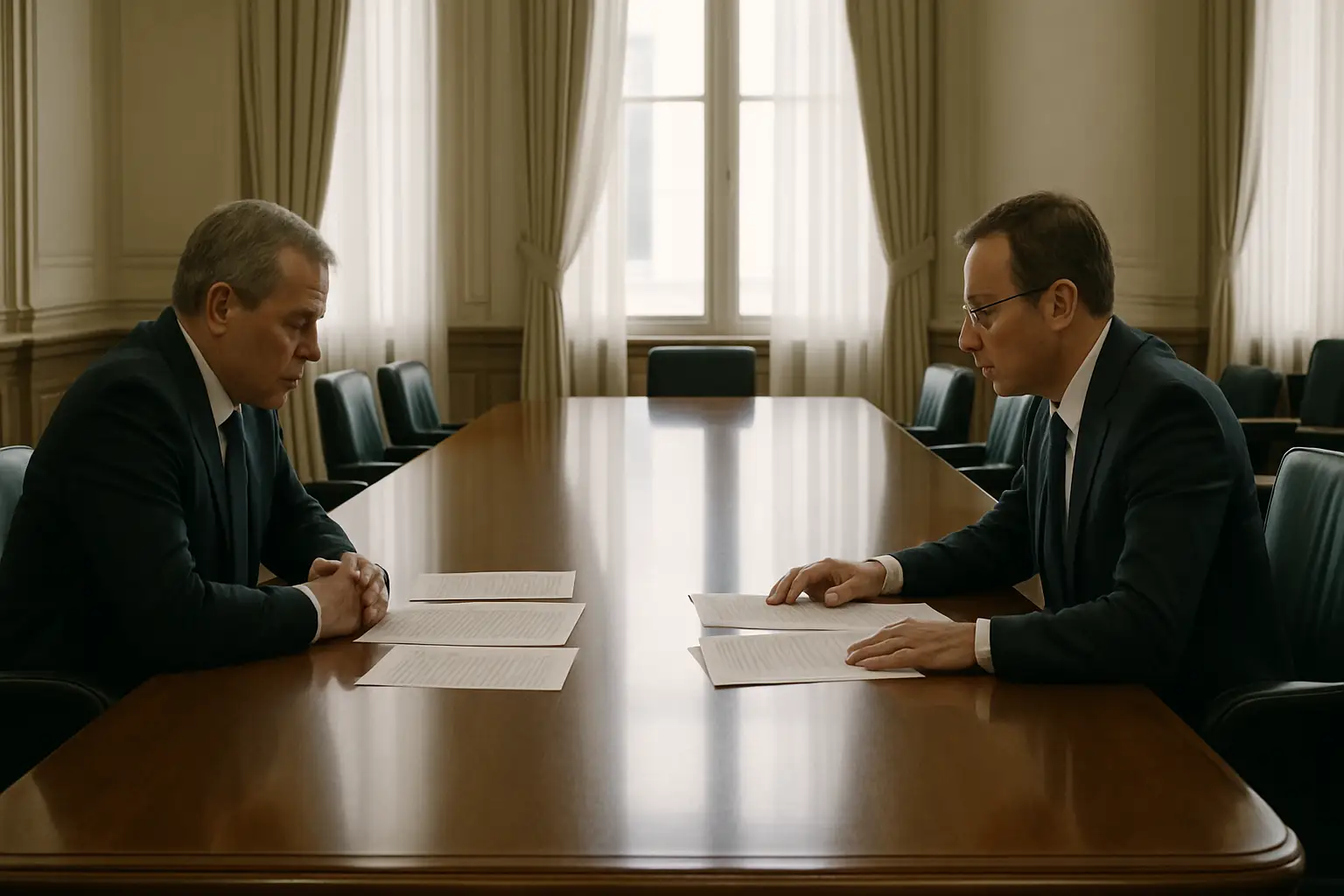
The current World Cup commercialization row fits that pattern. Rather than working through established channels and consulting widely with the football community, the plans appear to have been developed and advanced without adequate scrutiny or stakeholder input. That lack of process has fueled the anger as much as the specifics of any deal itself.
What the Sell-Off Debate Reveals About FIFA's Power Structure
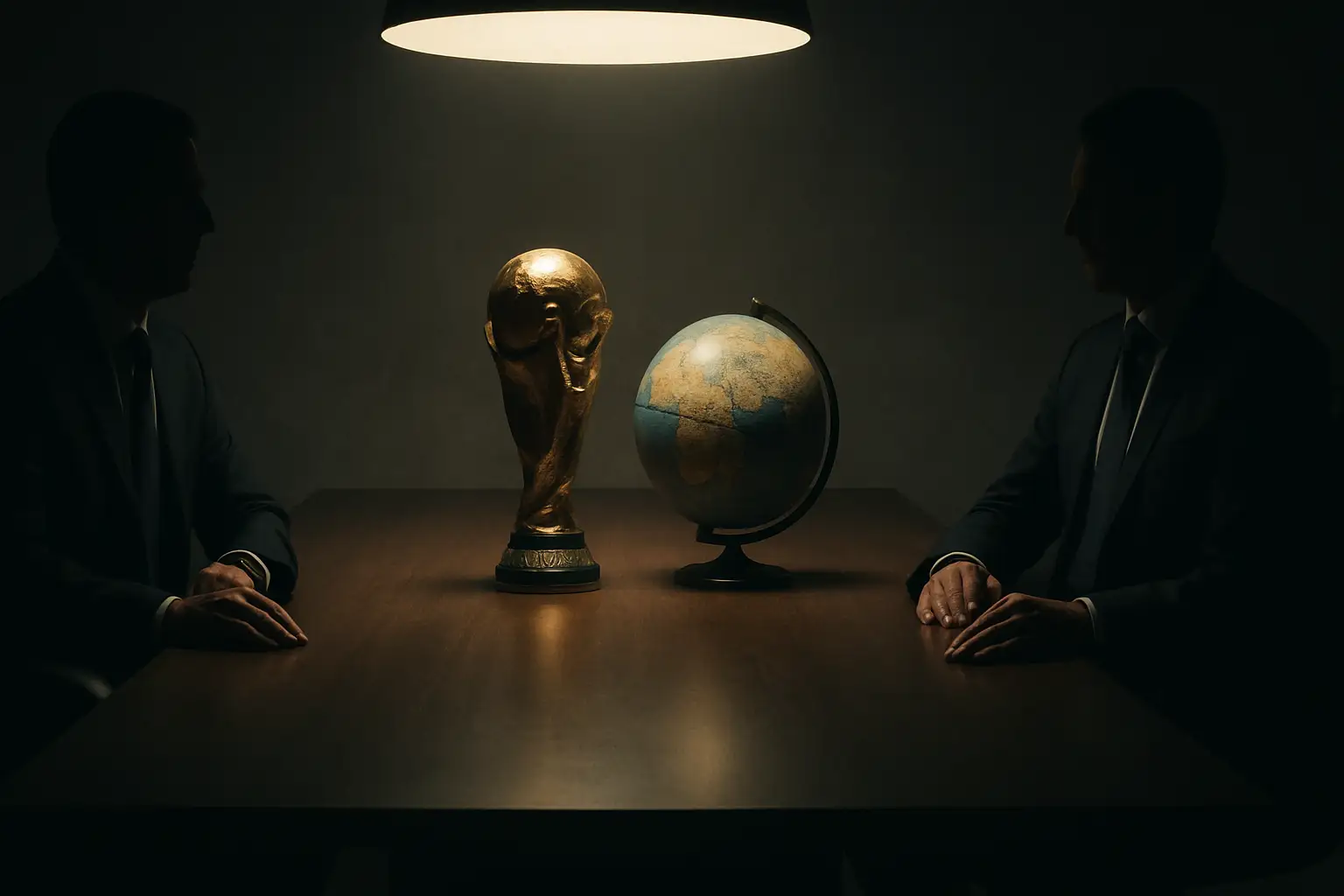
At the heart of the current dispute is a question about authority. FIFA controls the World Cup, the most commercially valuable property in football. How those rights are packaged, sold, and distributed has enormous consequences for clubs, broadcasters, sponsors, and fans.
When decisions about those rights are made without meaningful consultation, the rest of football has very limited options. Leagues and clubs may protest, but they have little formal power to override FIFA's decisions. That imbalance of power is precisely what makes transparency and good governance so important, and precisely what critics say has been missing.
The episode has renewed calls from within the football community for stronger checks on FIFA's executive leadership, more meaningful oversight from member associations, and clearer rules around commercial negotiations involving World Cup assets.
The Pressure on Infantino Is Growing
Infantino is not without support. He retains backing from a number of FIFA's 211 member associations, many of them from regions that benefit from FIFA's development funding and feel they have a voice under his leadership that they lacked in previous eras. That broad membership base has historically been his political shield.
But the current controversy has put pressure on that coalition. When senior figures from European football, one of the sport's most powerful blocs, raise alarm about how World Cup rights are being handled, it is harder for FIFA to dismiss the criticism as coming from self-interested elites.
The Guardian's reporting frames this moment not just as a political headache for Infantino but as a test of whether FIFA is capable of genuine reform, or whether it will continue cycling through crises without addressing the structural conditions that produce them.
For football fans and administrators around the world, that question has been asked before. The answers so far have not been reassuring.


Football Correspondent
Alex covers football and the global game with fast, sharp analysis.