FIFA's World Cup Privatization Push Draws Fierce Opposition
FIFA is pushing a plan to bring private investment into the World Cup structure, but the proposal has sparked sharp criticism from clubs, leagues, and federations worldwide.
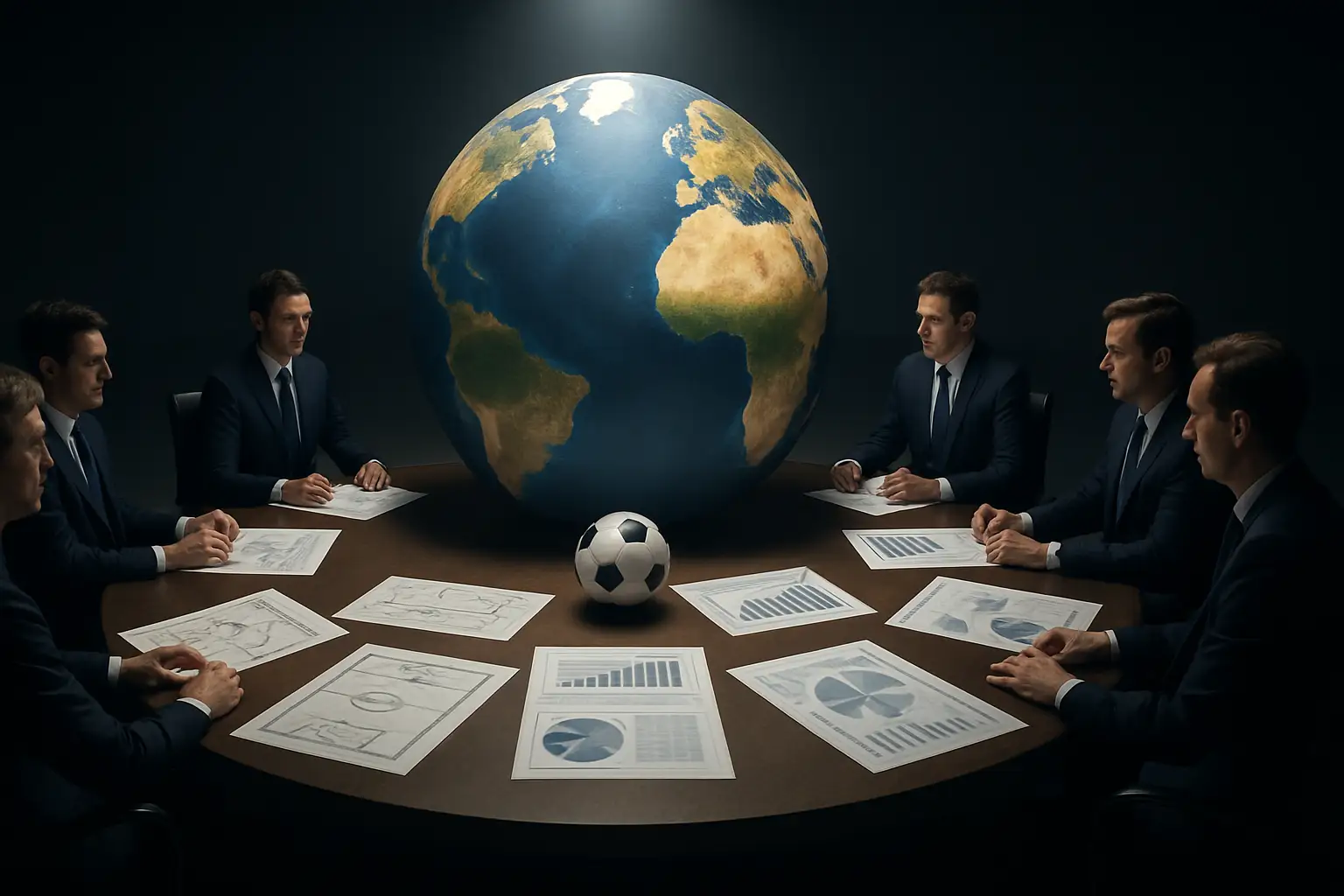


FIFA Wants Private Money in the World Cup
FIFA's attempt to privatize elements of the World Cup has become one of the most contentious governance debates in football. The governing body has been exploring a structure that would allow private equity or outside investors to take a stake in World Cup-related commercial operations, a move that would be a significant departure from how football's flagship tournament has been run for decades. According to reporting by the New York Post, the proposal has drawn fierce resistance from across the sport.
The core idea is straightforward: bring in outside capital to fund FIFA's expanding ambitions, including a 32-team Club World Cup and a broader global events calendar. Private investors would gain a share of future revenues in exchange for upfront financing. FIFA president Gianni Infantino has pushed aggressively for commercial growth, and this plan fits that broader strategy.
But the reaction from key stakeholders has been anything but welcoming.
Backlash From Clubs, Leagues, and Federations
Opposition has come from multiple directions. European clubs and leagues have been among the loudest critics, concerned that handing a slice of World Cup revenues to private investors would reduce the share flowing back into the game at the club and federation level. The European Club Association and various domestic leagues have questioned both the financial logic and the governance process behind the proposal.
Critics argue that the World Cup is not FIFA's asset alone to monetize. The tournament is built on the labor of national federations, players developed by clubs, and decades of fan investment. Cutting private equity into that equation, opponents say, creates a profit-extraction dynamic that conflicts with football's status as a public good.
There are also transparency concerns. FIFA's governance record has been under scrutiny since the corruption scandals that led to multiple criminal indictments in the mid-2010s. Introducing private investors with commercial interests in tournament decisions raises questions about conflicts of interest and accountability, particularly given how little visibility outsiders typically have into FIFA's financial dealings.
FIFAPro, the global players' union, has also raised objections tied to player welfare. If private returns depend on maximizing the number of FIFA competitions, pressure on an already congested match calendar could intensify, putting player health and recovery time at greater risk.
Will the Plan Actually Pass?
That is the central uncertainty. FIFA's congress structure gives Infantino considerable influence, particularly among smaller federations in Africa, Asia, and CONCACAF that receive significant financial distributions from FIFA and tend to back the administration's priorities. If the privatization proposal is framed as a way to increase those distributions, it could attract enough votes to move forward despite European opposition.
However, the level of organized pushback from European football, which controls the sport's largest commercial markets, is a real constraint. UEFA and the major European leagues carry enough economic weight that FIFA risks creating a damaging split if it pushes the plan through over their objections.
The timeline remains unclear. No formal vote has been publicly scheduled, and FIFA has not released a detailed term sheet for outside review. That opacity itself has frustrated critics who want to evaluate the specifics before any decision is made.
What is clear is that the debate has exposed a deeper tension inside world football. FIFA wants to grow its revenue base and fund an expanding events portfolio. Clubs and leagues want a bigger say in how global football is governed and financed. Private investment is the latest flashpoint in that longer argument, and the outcome will shape how the World Cup is run for years to come.


Football Correspondent
Alex covers football and the global game with fast, sharp analysis.