FIFA's World Cup Rights Crisis Exposes Years of Institutional Rot
Gianni Infantino's mishandled attempt to sell off World Cup commercial rights has sent shockwaves through football, but the roots of FIFA's crisis run far deeper than one bad deal.



A Debacle That Has Shaken World Football
FIFA's World Cup rights sell-off crisis has put president Gianni Infantino under intense scrutiny, with the fallout rattling governing bodies, broadcast partners, and national federations alike. The Guardian has reported that while Infantino's handling of the commercial process has drawn the most immediate fire, the dysfunction on display reflects problems that have been building inside FIFA for years.
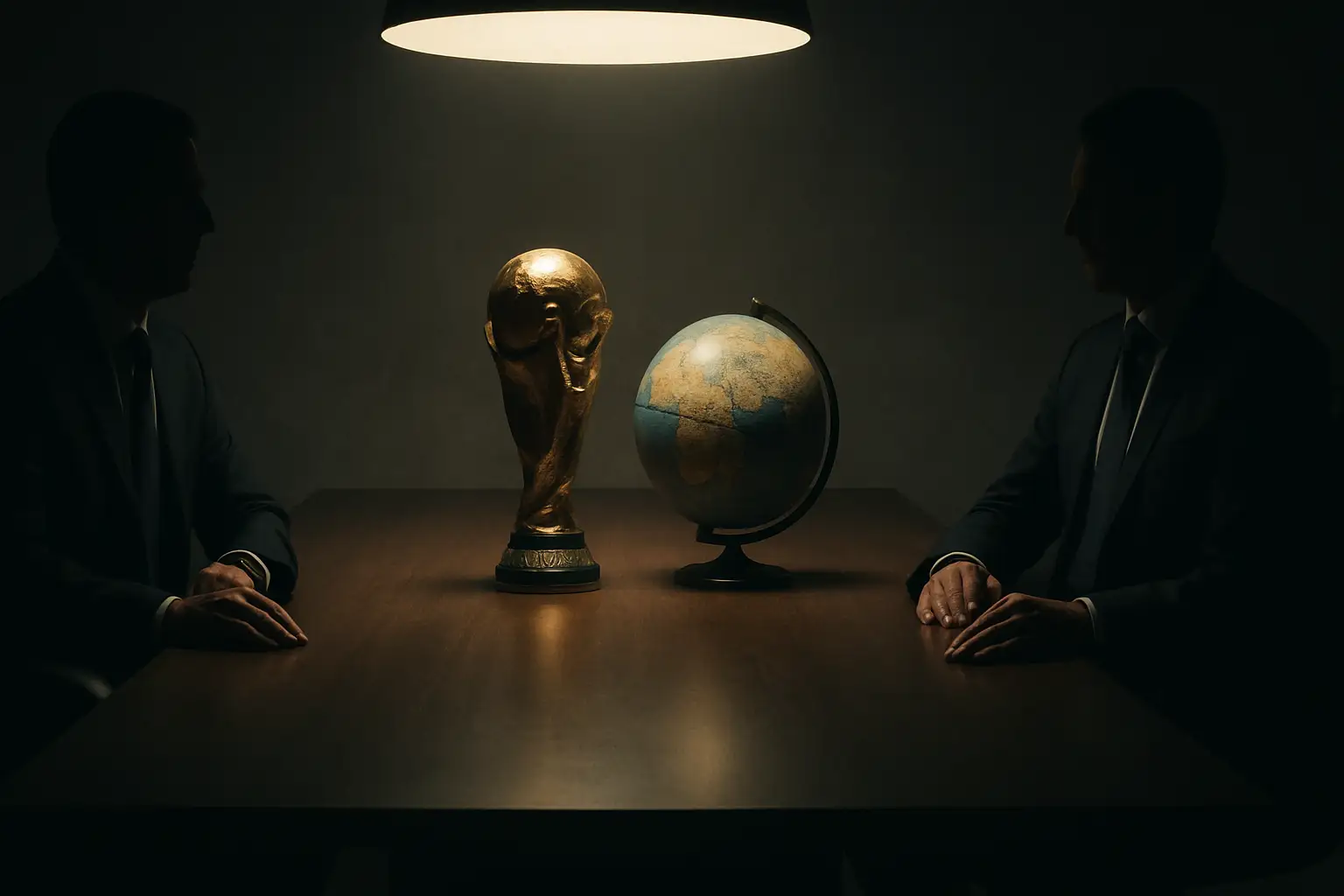
The attempt to bundle and sell World Cup rights through a new commercial structure ran into fierce resistance from member associations and broadcasters, raising serious questions about transparency, governance, and who ultimately controls the sport's most valuable asset. The backlash was swift and loud enough to put the entire arrangement in doubt.
But critics argue the real story is not just one mishandled negotiation. It is a pattern of centralised decision-making, limited accountability, and institutional self-interest that has defined FIFA across multiple administrations.
Deep Roots, Not a Single Misstep
FIFA's governance problems did not begin with Infantino. The organisation spent years under Sepp Blatter engulfed in corruption scandals that led to criminal charges against dozens of officials and a fundamental crisis of legitimacy. Reforms were promised after the 2015 collapse, and some structural changes were introduced, but critics have long argued those changes did not go far enough.
What the current rights debacle has done is remind football stakeholders that the underlying conditions, concentrated power at the top, weak checks on executive authority, and an opaque approach to major commercial decisions, were never fully dismantled.
Member associations, which formally hold a stake in how the game is governed, found themselves sidelined in discussions about commercial arrangements that directly affect their revenue. That tension between FIFA's centralising instincts and the interests of national federations is not new. It surfaces repeatedly whenever major money is involved.
What the Sell-Off Row Revealed
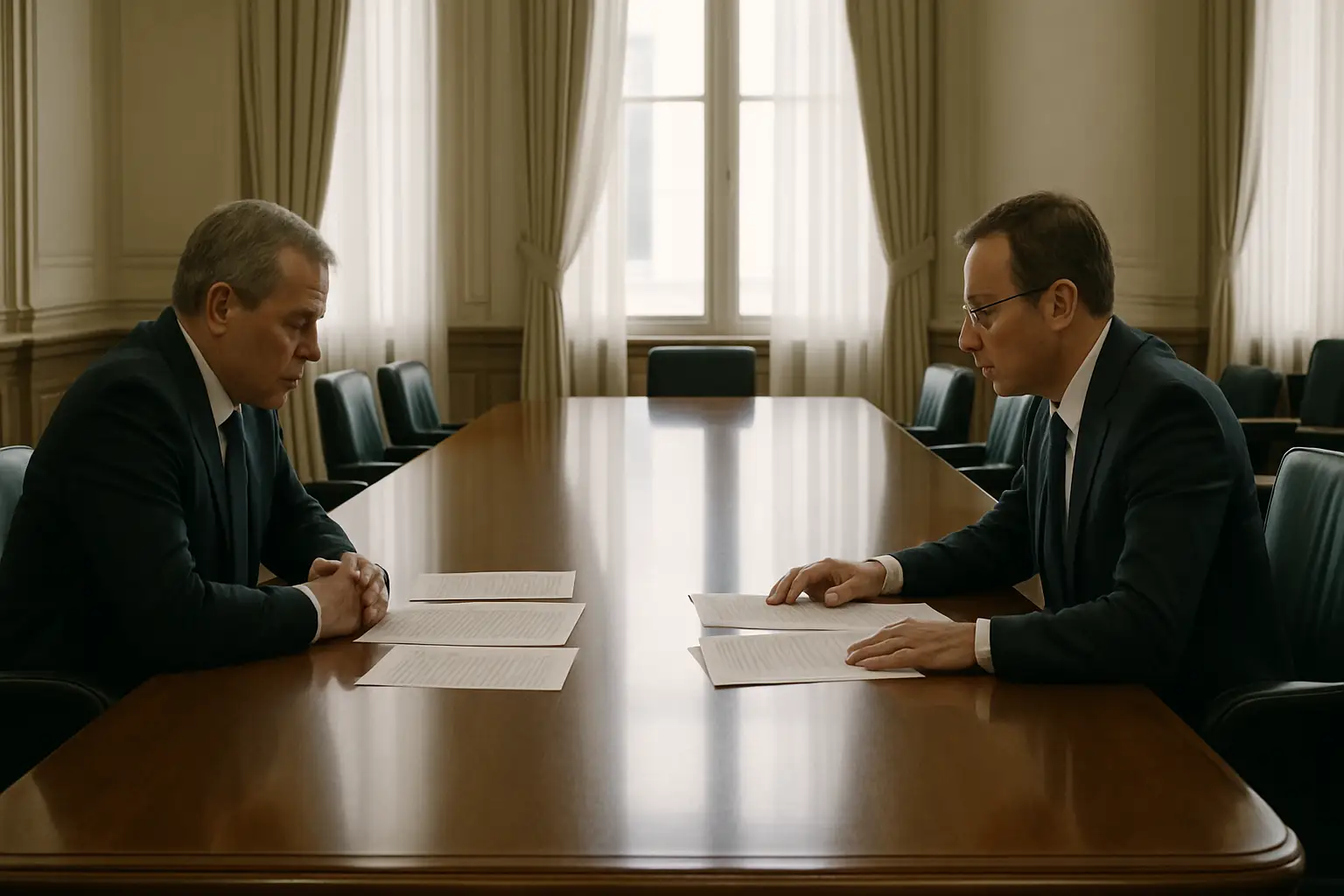
The specifics of the World Cup rights process brought several pressure points into the open. Federations and partners who expected consultation instead encountered decisions that appeared to be moving ahead without proper input. The speed and structure of the proposed sell-off alarmed enough influential parties that the plan stalled under the weight of opposition.
For Infantino personally, the episode is damaging. He has cultivated a reputation as an ambitious moderniser willing to expand the World Cup, pursue new revenue streams, and court investment from outside traditional football markets. That image depends on deals actually landing. A high-profile commercial failure, especially one that unites critics from different parts of the football world, chips away at the narrative of effective leadership.
The Guardian's reporting frames this not as an isolated stumble but as evidence that FIFA's institutional culture continues to generate crises regardless of who holds the top job. The incentives inside the organisation, toward deal-making, revenue maximisation, and executive autonomy, tend to outrun the safeguards meant to keep them in check.
What Comes Next for FIFA
The immediate question is whether the World Cup commercial structure gets renegotiated, abandoned, or pushed through in a modified form. Beyond that, the episode has reignited debate about whether FIFA's post-2015 reforms produced real change or mostly cosmetic adjustments.
Calls for stronger independent oversight, clearer rules around commercial decisions, and more genuine power-sharing with member associations are not new. They have been made after every major FIFA controversy. Whether this latest crisis builds enough sustained pressure to produce structural reform is a different matter.
What is clear is that football's global governing body remains an organisation where enormous sums of money, limited transparency, and concentrated authority continue to collide. The World Cup rights row is the latest and most visible result of that combination, but it is unlikely to be the last.


Football Correspondent
Alex covers football and the global game with fast, sharp analysis.