
Football World Cup Drove Hospitality Spending Surge in July
New data shows the Football World Cup pushed hospitality spending higher in July, with bars, restaurants and venues benefiting from tournament-driven demand.
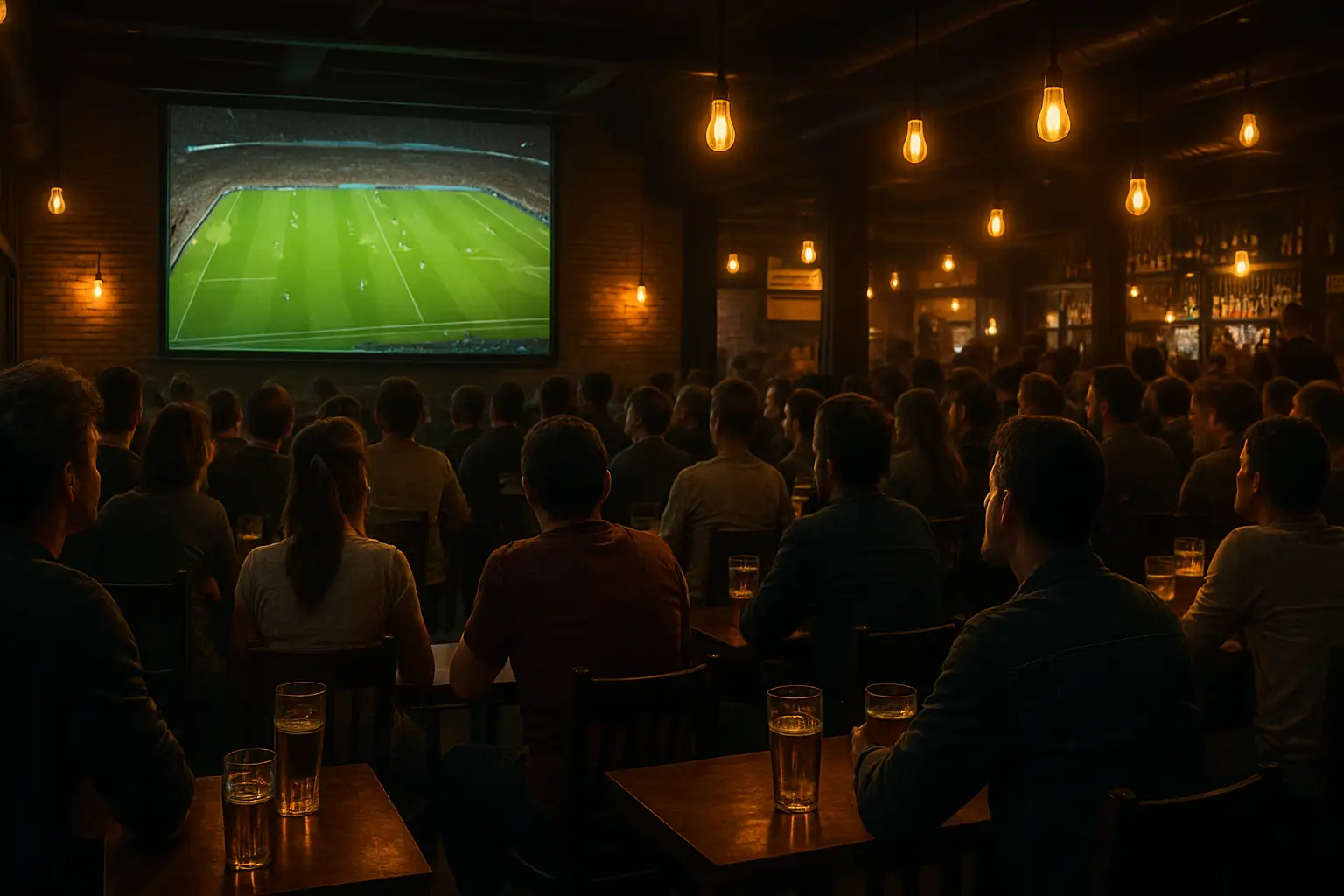


World Cup Puts Money Through the Tills
The Football World Cup gave hospitality businesses a measurable lift in July, according to reporting by Interest.co.nz. Spending at bars, restaurants, and other hospitality venues climbed as fans gathered to watch matches, reflecting the tournament's pull on consumer behaviour during the competition period.
The boost is a concrete example of how major sporting events translate into real economic activity at street level. When millions of fans have a reason to leave the house, order another round, or book a table with friends, the numbers show up quickly in card transaction and spending data.
What the Spending Data Shows
Interest.co.nz reported that hospitality was among the clearest beneficiaries of the tournament in July. The timing aligns with the later stages of the Football World Cup, when match schedules drew larger audiences and extended viewing sessions at public venues.
Hospitality operators running late-night or early-morning screenings, depending on time zone differences, saw foot traffic rise during the competition window. That kind of event-driven spending is often temporary but can be sharp enough to shift monthly aggregates in the data.
The pattern is consistent with what economists observe around major tournaments. Fans spending on food, drinks, and venue entry during a concentrated period can produce a noticeable spike in retail and hospitality categories, even if broader consumer confidence remains flat.
Context for the New Zealand Economy
The Interest.co.nz report situates the hospitality jump within a broader picture of New Zealand consumer spending in July. While many retail categories faced pressure from higher interest rates and cost-of-living stress, hospitality carved out a positive month, with the Football World Cup identified as a key contributing factor.
That distinction matters. When one category outperforms during a difficult period for household budgets, it signals that discretionary spending has not disappeared entirely. Consumers are making choices, and a high-profile sporting event gives them a specific reason to spend on going out rather than staying in.
For businesses in the sector, a tournament-linked revenue spike provides a short-term cushion, though it does not resolve the underlying pressure on margins that hospitality operators have faced since inflation picked up. Staffing costs, energy bills, and food input prices remain elevated, and a good July does not change the structural challenges heading into the cooler months.
What This Means for Hospitality Businesses
The July data underlines an argument that hospitality operators have made for years: live sport is good for the industry. Venues that invested in large screens, extended hours, or themed promotions around the Football World Cup were positioned to capture spending that might otherwise have stayed at home.
For venue owners and managers, the lesson is straightforward. Major tournaments, whether football, rugby, or cricket, create a reliable spike in demand that rewards preparation. Operators who staff up, stock the bar, and market the occasion tend to outperform those who treat it as a normal trading night.
The Interest.co.nz report adds a data point to that argument, showing that the effect was visible at an aggregate level in July, not just anecdotally inside individual venues.
For policymakers and economists watching New Zealand's consumer sector, the hospitality result offers a small but clear illustration of how international sporting calendars intersect with domestic economic data. The Football World Cup is a global event, but its spending effects are local, playing out one bar tab at a time.


Football Correspondent
Alex covers football and the global game with fast, sharp analysis.