Fouzi Lekjaa and Morocco's World Cup 2030 Power Shift
Fouzi Lekjaa's rise illustrates how football administration has become a vehicle for political and technocratic influence in Morocco ahead of the 2030 World Cup.


Football as a Political Arena
Fouzi Lekjaa is not a name that surfaces only in match reports or transfer windows. The head of Morocco's Royal Football Federation has become, according to an analysis published by Eurasia Review, one of the most consequential figures in the country's broader recomposition of power - a process that is accelerating as Morocco prepares to co-host the 2030 FIFA World Cup.
The analysis argues that Lekjaa represents a broader pattern in Moroccan governance: the rise of technocrats who use major infrastructure projects and international events to consolidate influence well beyond their formal portfolios. Football, in this reading, is not just sport. It is a mechanism of statecraft.
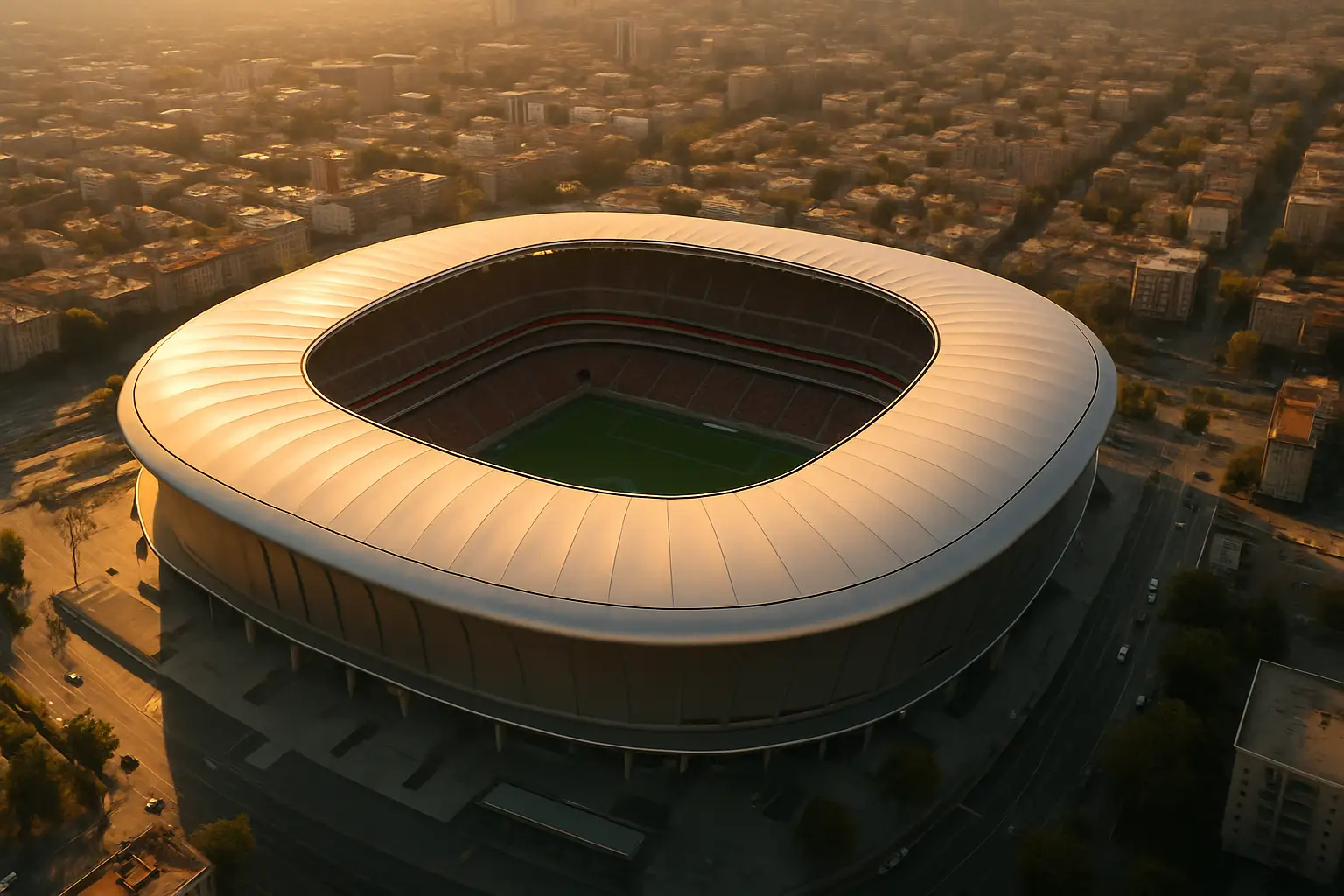
Morocco is set to co-host the 2030 World Cup alongside Spain and Portugal, with some matches also scheduled in Argentina, Uruguay, and Paraguay to mark the tournament's centenary. For Morocco, the event is the largest logistical and diplomatic undertaking in its modern history, and the men managing it are accumulating authority to match.
The Technocrat in the Stands
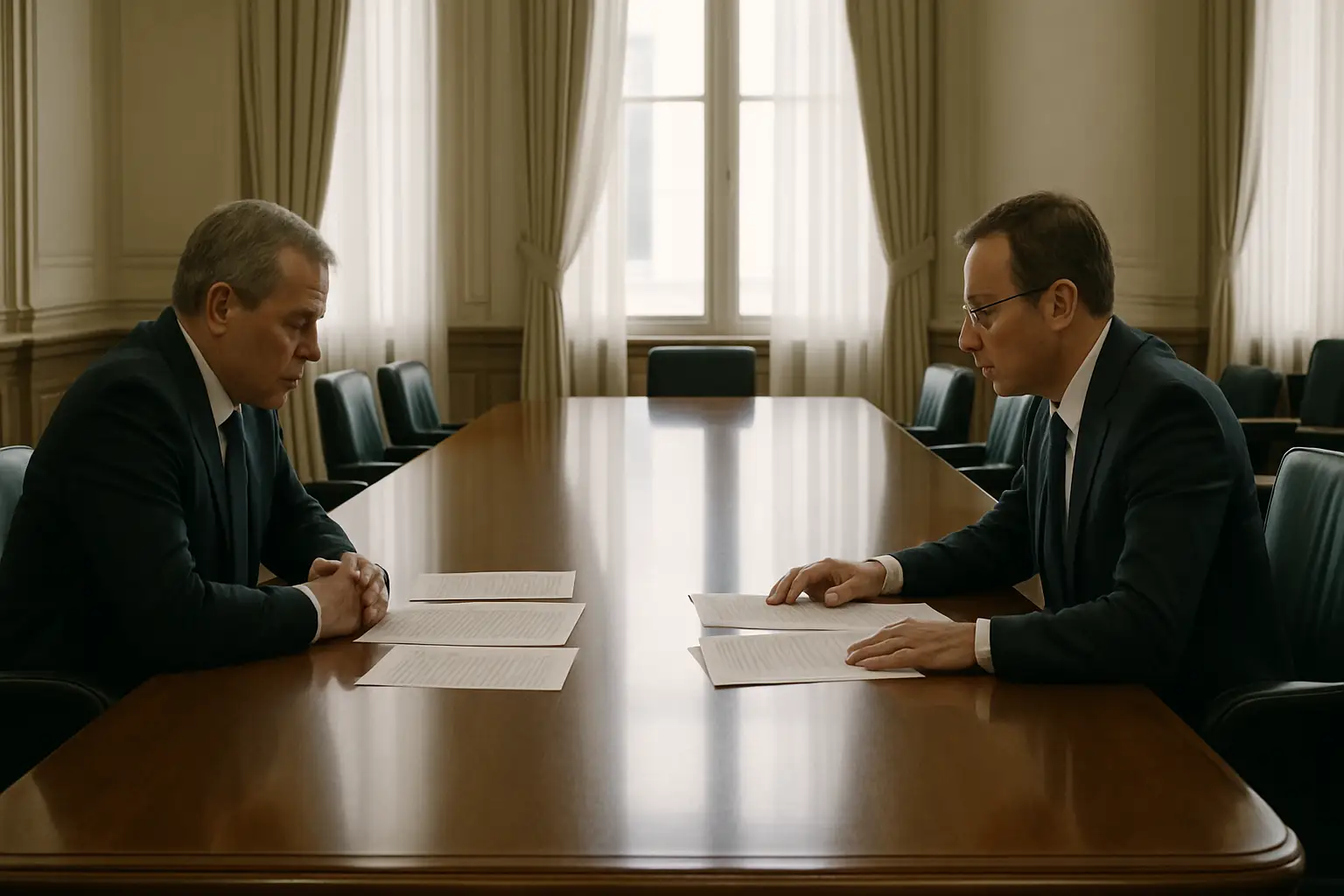
Lekjaa's trajectory is telling. He has held roles that straddle football administration and state finance, giving him access to networks and decisions that extend far beyond the pitch. The Eurasia Review analysis describes the circle of officials around the 2030 project as something resembling a parallel government - a group whose power derives less from elected mandates than from proximity to the palace and control over mega-project budgets.
This model is not unique to Morocco. Gulf states have used sports governance in similar ways, embedding technocratic officials inside international institutions to project influence and manage domestic political dynamics simultaneously. What makes the Moroccan case distinctive, the analysis suggests, is the speed at which football has moved from a peripheral concern to a central node in the country's power architecture.
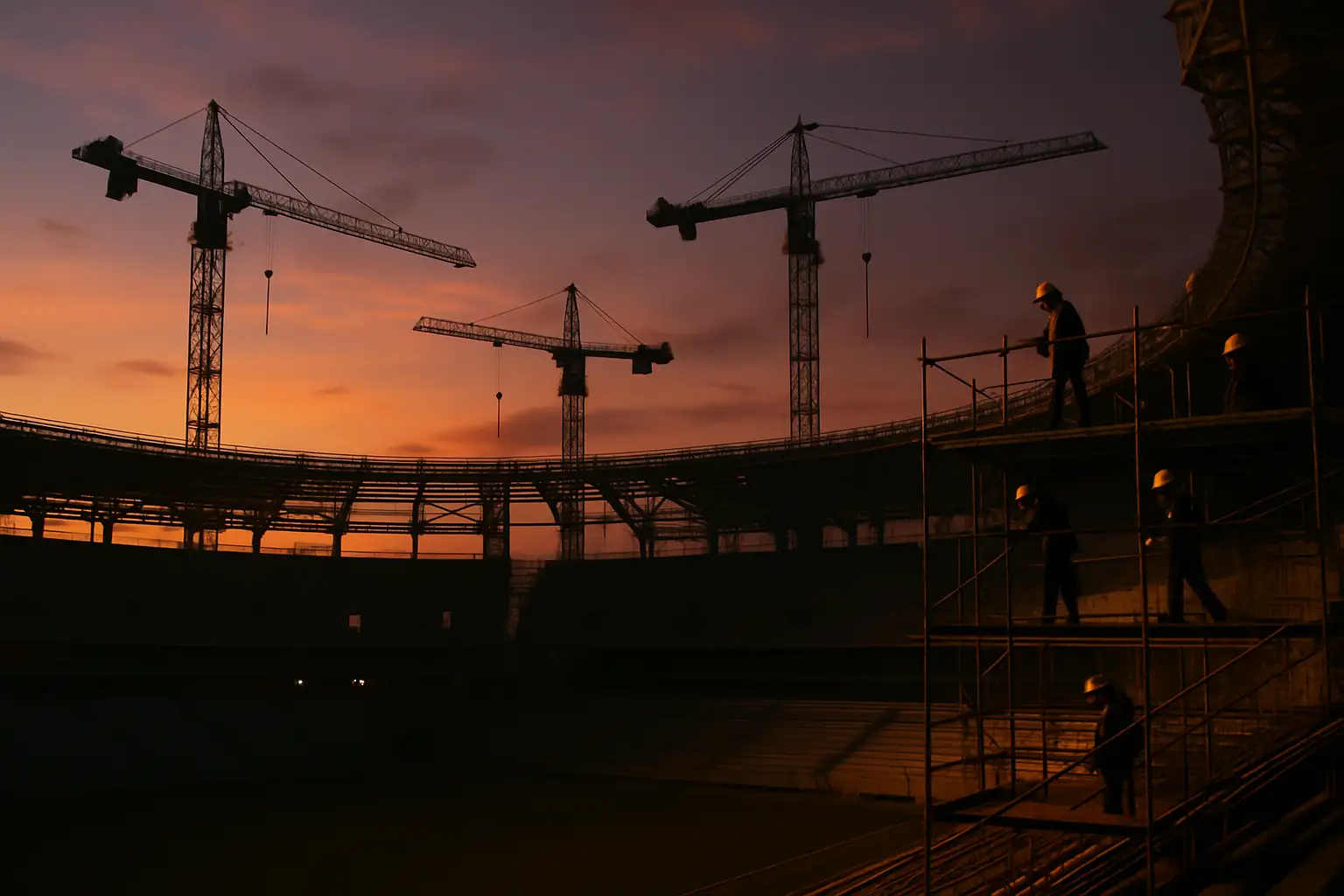
The 2030 World Cup requires Morocco to build or upgrade stadiums, expand transport links, modernize hotels, and coordinate across multiple government ministries. Whoever sits at the center of that web holds real leverage - over contracts, over timelines, over which regions and cities benefit.
Recomposing Power Before the Whistle Blows
The phrase "World Cup 2030 Government" used in the Eurasia Review analysis captures something specific: the idea that the planning apparatus for the tournament has taken on a governing logic of its own. Decisions made inside this structure carry weight that ordinary ministerial channels might not.
For Lekjaa, this means his influence touches urban planning, public finance, and foreign relations - not just squad selection or referee appointments. Critics of this model argue that concentrating so much authority in figures who lack direct democratic accountability creates opacity around billion-dollar decisions. Supporters counter that technocratic management is precisely what complex, time-sensitive projects require.
Morocco's political system has long accommodated this tension. The monarchy retains ultimate authority, but it has consistently delegated operational power to trusted technocrats who can deliver results without the friction of parliamentary debate. The World Cup represents the largest single test of that model.
What the Eurasia Review analysis makes clear is that the 2030 tournament is already reshaping who matters in Moroccan politics - and Lekjaa is positioned near the center of that shift. Whether football's new political weight outlasts the final whistle in 2030 remains an open question.


Football Correspondent
Alex covers football and the global game with fast, sharp analysis.