High School Football Games Delayed by Weather, Reports WBRC
Two high school football games were delayed due to weather conditions, according to a report from WBRC. Here is what we know so far.


Two High School Football Games Hit by Weather Delays
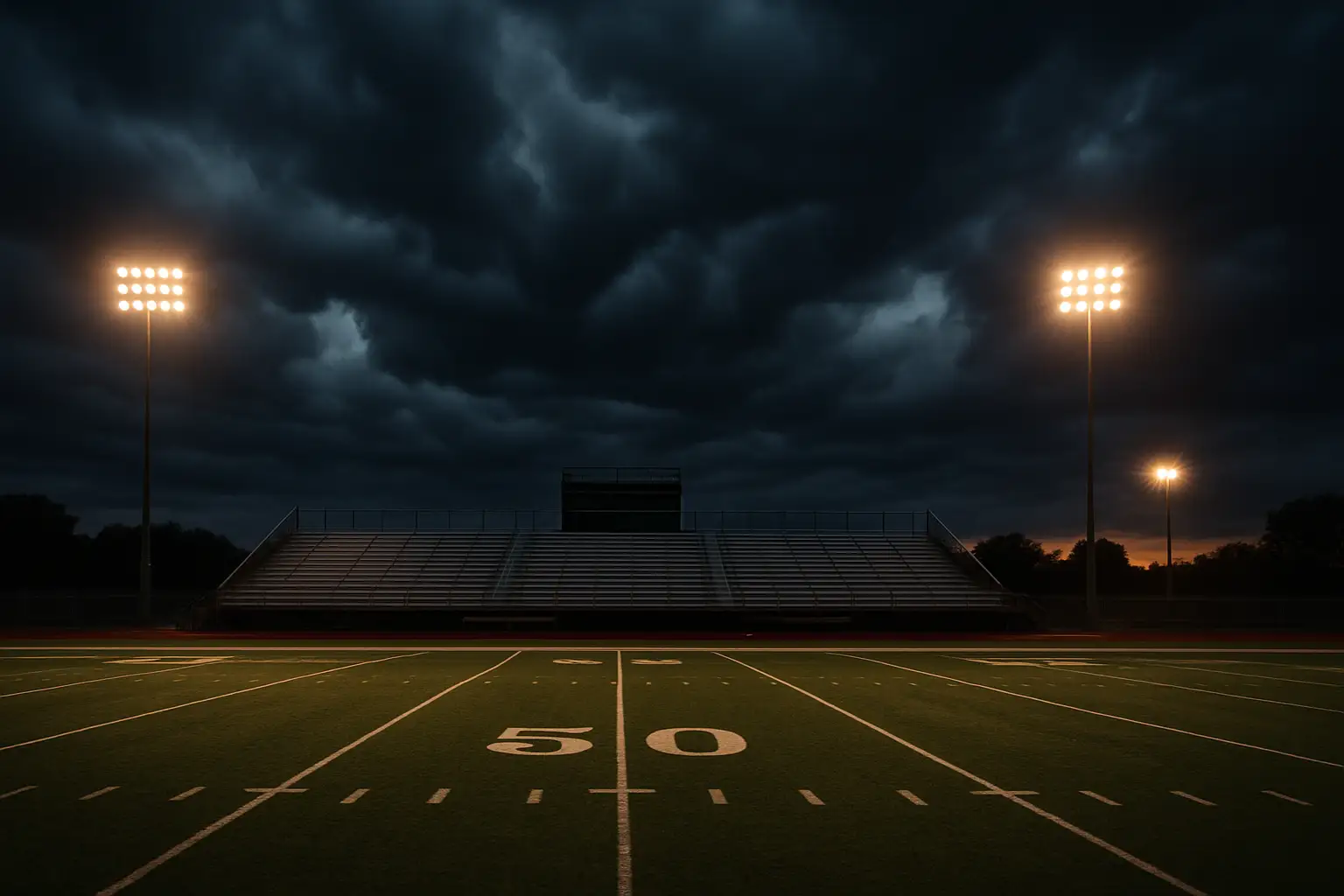
Bad weather forced delays to at least two high school football games, according to reporting from Birmingham-based broadcaster WBRC. The disruptions are a reminder of how quickly conditions can derail Friday night schedules, leaving players, coaches, and fans waiting on the sidelines.
Weather-related delays are a recurring issue for prep football programs, particularly during seasons when afternoon storms can roll in fast and linger well into the evening. When lightning or severe conditions are detected near a stadium, officials are required to suspend play and move everyone to safety until the threat passes.
WBRC reported the delays but did not specify which teams or venues were affected based on the information available at the time of publication. This article will be updated as more details emerge.
Why Weather Delays Matter for High School Athletics
For high school programs, a weather delay is rarely a minor inconvenience. Kickoff times are tightly coordinated around school schedules, transportation logistics, and broadcast arrangements. A delay of even one hour can push a game past the point where completion becomes practical, especially on school nights.
High school athletic associations across the country have protocols in place to handle exactly these situations. In most states, a lightning policy requires all players and spectators to seek shelter immediately when lightning is detected within a set radius, typically around eight miles, of the playing field. Play cannot resume until a set period, often 30 minutes, has passed without a lightning strike in that zone.
Referee crews and school administrators typically coordinate the decision to delay, postpone, or cancel a game. If conditions do not improve within a reasonable window, games may be rescheduled for the following day or another agreed date, which can create ripple effects for playoff seeding and standings later in the season.
Fans and Families Left Waiting
For parents, students, and fans who travel to see these games, a weather delay means sitting in cars, sheltering in school lobbies, or simply heading home. Schools often communicate updates through their athletic department social media accounts or local broadcast partners like WBRC, which covers prep sports extensively across central Alabama.
Weather apps and emergency alert systems have made it easier for officials to track storm movement in real time, but the unpredictability of local storm cells means delays can still catch programs off guard. A clear sky at 6 p.m. can turn dangerous by 7 p.m., right as teams are warming up.
Coaches often stress to their players that safety takes priority over the outcome of any game. That message tends to resonate more easily once a season is underway and teams have already experienced the disruption firsthand.
What to Expect Going Forward
Anyone following the affected programs should check local listings and official school athletic pages for updates on rescheduled kickoff times. WBRC remains a key source for developments on prep sports in the region and is expected to provide further coverage as details are confirmed.
Weather conditions vary week to week during the football season, and meteorologists in the area will be watching closely for any additional storm systems that could affect upcoming game nights. Teams affected by this week's delays will be looking to get back on the field as soon as conditions and schedules allow.


Football Correspondent
Alex covers football and the global game with fast, sharp analysis.