Javier Tebas Declares 'Infantino Era Is Over' in FIFA Power Call
La Liga president Javier Tebas has sharpened his criticism of FIFA chief Gianni Infantino, declaring his era finished and demanding a major shift in how world football is governed.


Tebas Takes Aim at Infantino
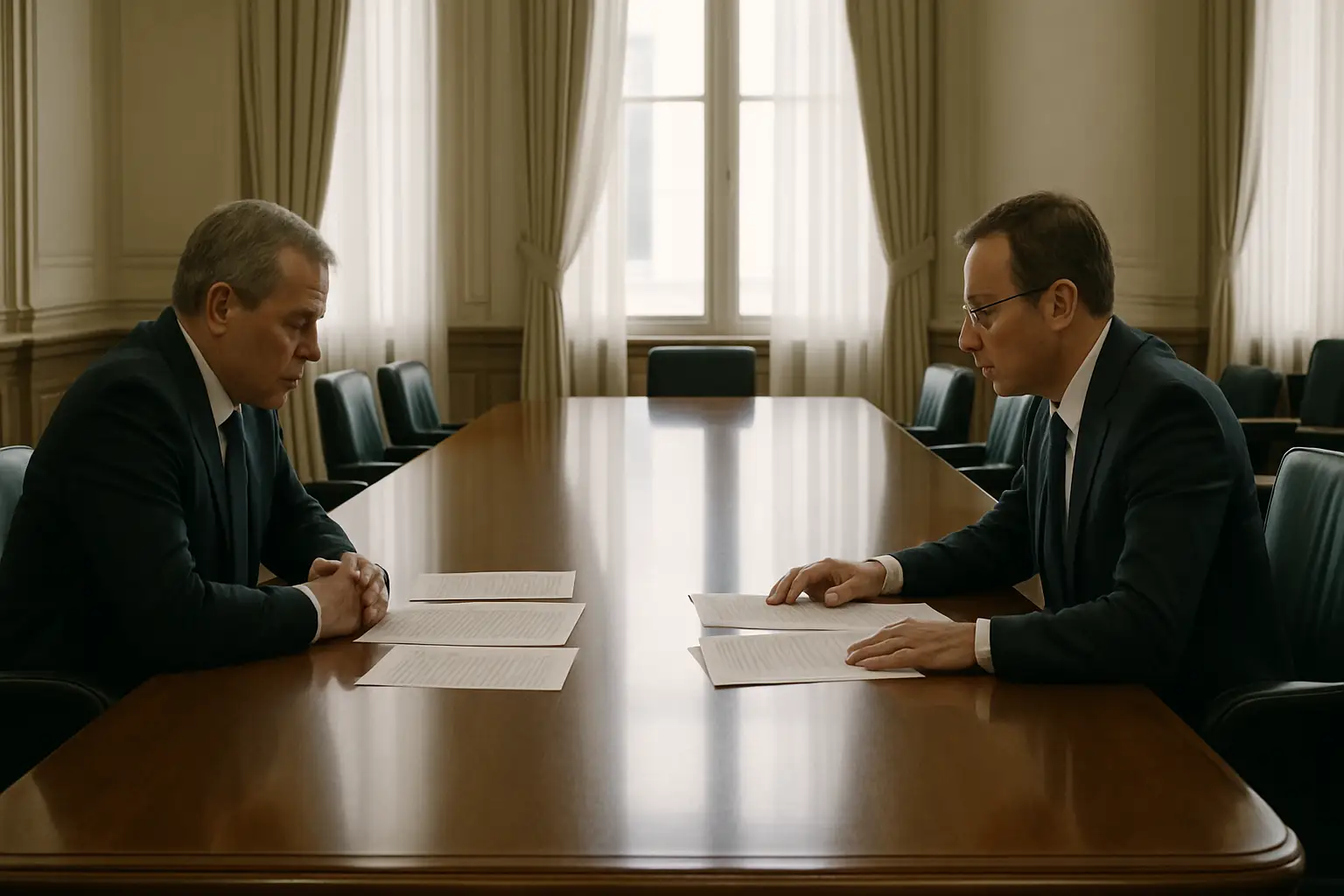
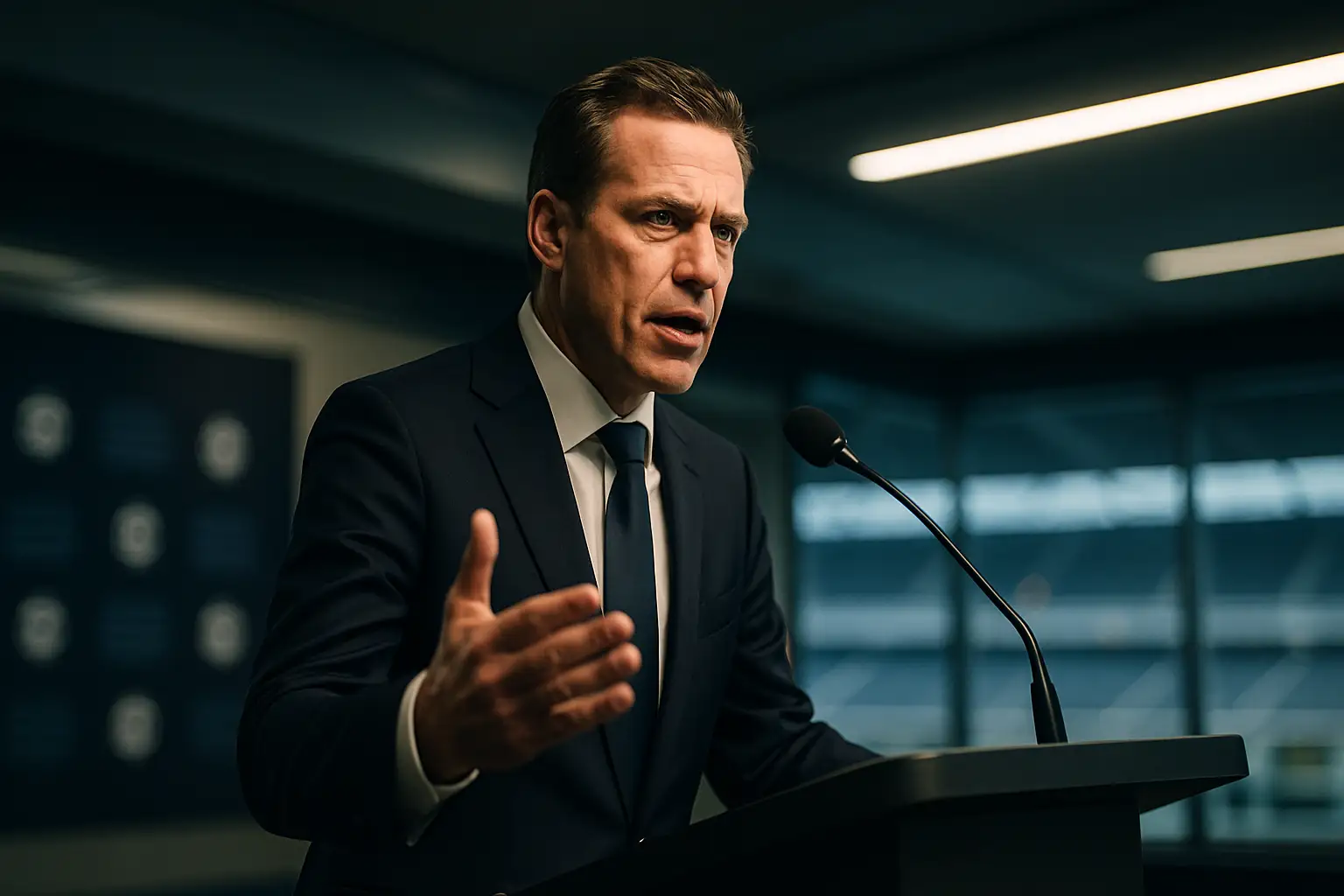
Javier Tebas is not known for holding back, and his latest broadside against FIFA president Gianni Infantino is no exception. The La Liga chief has declared that the Infantino era is over and is pushing for a fundamental redistribution of power within world football, according to reporting by Goal.com.
Tebas has been one of the most persistent and vocal critics of Infantino among European football executives. His latest comments signal that the tension between domestic league administrators and FIFA's centralized authority is far from cooling down. If anything, the dispute appears to be intensifying as the 2026 World Cup cycle picks up pace and FIFA continues to expand its club competition calendar.
The Spanish football chief specifically called for the balance of power to shift away from FIFA and toward the clubs and domestic leagues that, in his view, generate the sport's actual commercial and cultural value. He argues that decisions affecting club schedules, player welfare, and competition formats are being made by FIFA without adequate input from the people running day-to-day football.
The Broader War Over Football's Calendar
The feud between Tebas and Infantino is rooted in a long-running dispute over the football calendar and FIFA's expansion of its competitions. The revamped 32-team Club World Cup, which FIFA pushed through over strong objections from European leagues and clubs, sits at the heart of the disagreement.
League administrators like Tebas argue that adding major tournaments to an already crowded schedule puts unsustainable pressure on players and undermines the primacy of domestic competitions. FIFA and Infantino have consistently defended the expansion as a way to give clubs from outside Europe and South America a bigger share of global revenue and exposure.
Tebas has framed the issue not just as a scheduling argument but as a question of governance. His position is that bodies like La Liga and other major leagues should have binding authority over decisions that directly affect their competitions and the clubs within them, rather than being consulted after choices have already been made at FIFA level.
What a Power Shift Would Actually Mean
Calling for a power shift is easier than delivering one. FIFA sits at the top of football's official governance structure, with authority over the World Cup, international transfers, and player eligibility. That institutional position gives it enormous leverage over clubs, leagues, and even national federations.
For Tebas, the push seems to be aimed at building a coalition of domestic leagues willing to push back collectively. European leagues, through bodies like the European Leagues association, have already been coordinating opposition to parts of FIFA's calendar agenda. A more unified front from major leagues could complicate FIFA's ability to implement changes unilaterally.
The personal dimension between Tebas and Infantino also matters. The two have clashed publicly on multiple occasions, and Tebas has not softened his language over time. Describing the FIFA president's era as finished is a direct challenge to Infantino's political standing within the sport, not just a policy disagreement.
Infantino was re-elected as FIFA president in 2023 and his current term runs through 2027. Whether Tebas's declaration carries political weight or remains the view of a prominent but ultimately limited constituency within the game will depend on how many other league and club figures are willing to align publicly with his position in the months ahead.


Football Correspondent
Alex covers football and the global game with fast, sharp analysis.