
KC Streetcar Hits 20 Million Riders After 2026 FIFA World Cup Boost
Kansas City's streetcar system crossed the 20 million rider mark following a surge in ridership tied to the 2026 FIFA World Cup matches hosted in the city.
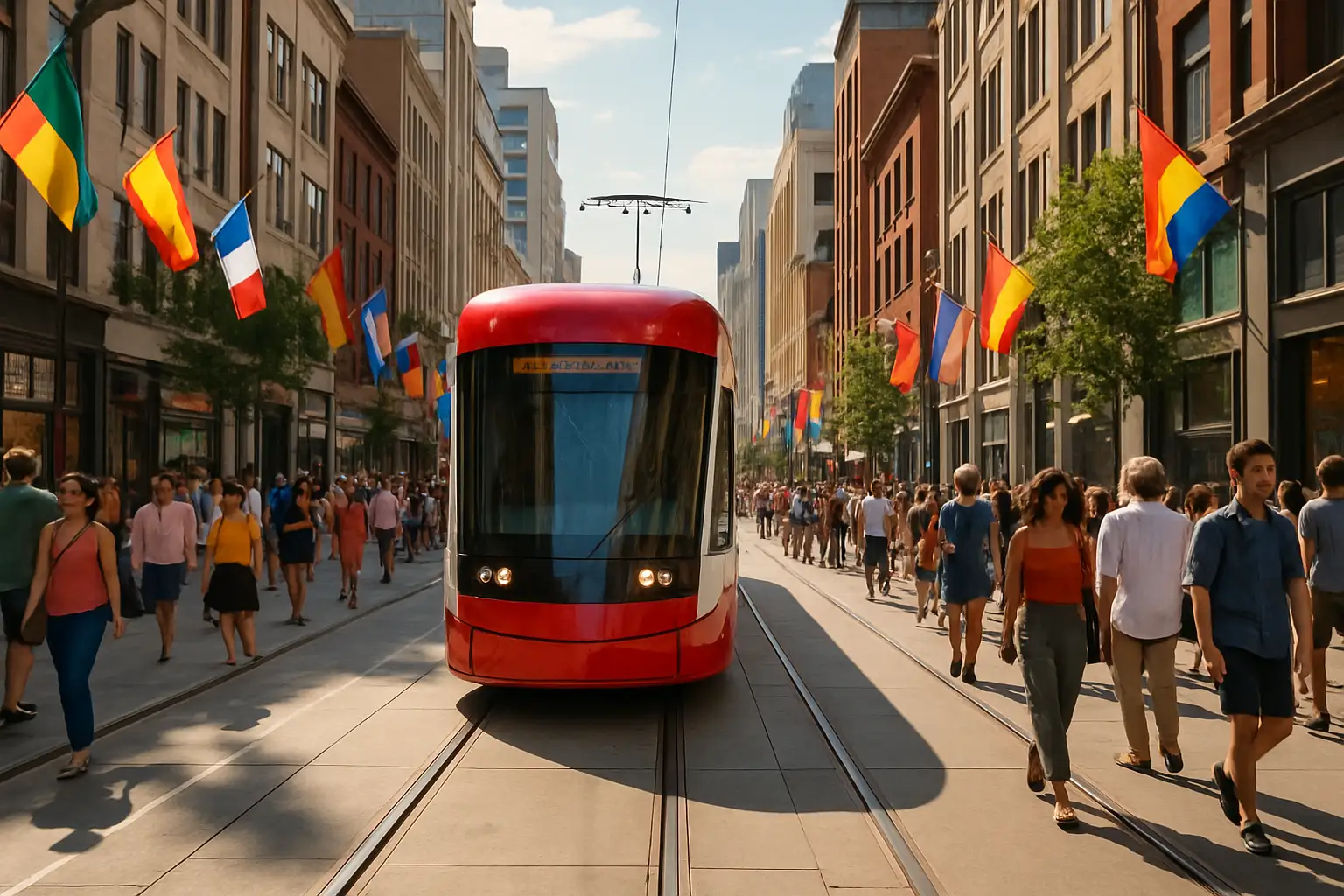


Kansas City Streetcar Reaches a Major Ridership Milestone
The KC Streetcar has crossed the 20 million rider milestone, with the 2026 FIFA World Cup playing a significant role in pushing the transit line over that threshold. The free-to-ride system, which runs through the heart of downtown Kansas City, saw a notable jump in passengers during the World Cup period as soccer fans from around the world moved through the city.
The milestone marks a landmark moment for a transit project that launched in 2016 and has steadily built its ridership base year after year. Reaching 20 million total rides reflects both the line's growing role in daily commuting and its ability to handle large-scale events.
World Cup Traffic Gave Ridership a Significant Lift
Kansas City was one of the host cities for the 2026 FIFA World Cup, which brought massive crowds into the downtown corridor where the streetcar operates. The influx of international visitors and domestic soccer fans created a surge in demand for the short-hop transit option, which connects key points across the urban core without charging a fare.
Transit systems in World Cup host cities often see sharp ridership spikes during tournament windows. Kansas City's streetcar was well-positioned to capture that demand given its route runs directly through areas where fans gathered, stayed, and ate during match days.
The World Cup, co-hosted by the United States, Canada, and Mexico, drew enormous attendance figures across all host cities. For Kansas City, the tournament served as both a global showcase and a practical stress test for local infrastructure, including the streetcar.
What the Milestone Means for Kansas City Transit
Hitting 20 million riders is more than a symbolic number. It signals that the KC Streetcar has become a reliable piece of the city's transportation network rather than a novelty. The system has been part of ongoing conversations about expanding the line to reach more neighborhoods, and milestones like this tend to strengthen the case for further investment.
The streetcar's fare-free model has been a key driver of adoption. Removing the cost barrier makes it easier for both residents and visitors to choose the streetcar over driving or rideshare options, particularly for short trips in the downtown area.
For city planners and transit advocates, the 20 million figure also provides data to support arguments about the return on public investment in urban rail. Kansas City's streetcar has often been cited in discussions about how mid-sized American cities can build effective transit around dense, walkable corridors.
Looking Ahead After a Record-Setting Stretch
With the World Cup now complete and the city returning to its regular rhythm, the question is whether ridership holds at an elevated level or settles back toward pre-tournament trends. Large events can leave lasting effects on transit habits if visitors return as residents or if the event raises general awareness of available transit options.
Kansas City officials and transit operators will be watching the numbers closely in the months following the World Cup. Sustaining momentum after a major event is a different challenge than capturing it, and the streetcar's performance over the next year will say a great deal about the durability of the milestone.
The 20 million rider mark was first reported by AOL.com, citing the streetcar's post-World Cup totals.


Football Correspondent
Alex covers football and the global game with fast, sharp analysis.