L.A. Olympics Transit: World Cup Was a Warmup, 2028 Is the Real Test
Los Angeles handled World Cup crowds on its transit network better than many expected. But planners and officials say the 2028 Olympics will be a far tougher challenge.


World Cup Gave L.A. Transit a Rare Passing Grade
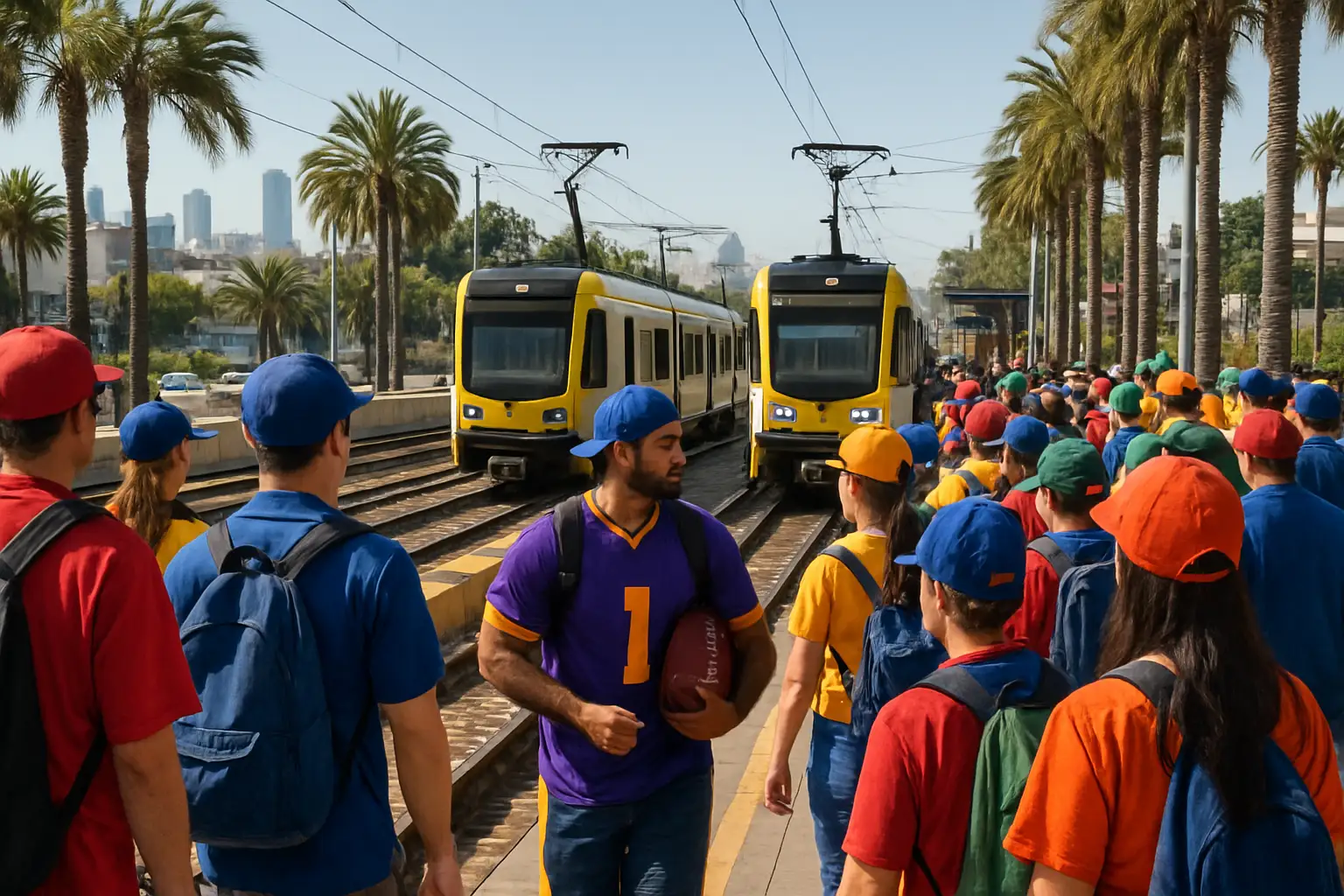
Los Angeles has long carried a reputation as a city where cars rule and public transit struggles. So when the 2026 FIFA World Cup brought tens of thousands of soccer fans to SoFi Stadium and other venues across the region, transit planners braced for the worst. Instead, by most accounts, the city's rail and bus network held up. Ridership surged on key Metro lines, crowds moved without the gridlock many had predicted, and officials emerged from the tournament with something rare: positive headlines about L.A. public transit.
According to reporting by Governing, the World Cup served as a meaningful stress test for a transit system that has been expanding over the past decade. The event demonstrated that, with enough coordination and targeted service increases, Los Angeles Metro can move large numbers of people to and from major sporting venues. That is a significant data point for a city that has historically struggled to pull drivers out of their cars.
But transit experts and city planners are already looking past the World Cup. The 2028 Los Angeles Olympics, set to span dozens of venues across a sprawling metro area, will demand far more from the region's infrastructure than a football tournament ever could.
Why the Olympics Pose a Much Bigger Challenge
The scale difference between the World Cup and the Olympics is not subtle. The World Cup concentrated most activity around a handful of stadiums over about a month. The Olympics will scatter athletes and spectators across venues from Long Beach to Pasadena to the San Fernando Valley, all running simultaneously, for more than two weeks.
That geographic spread puts enormous pressure on a transit network that, despite recent investment, still has significant gaps. Metro rail lines do not reach every Olympic venue. Bus routes that could fill those gaps run infrequently and are vulnerable to the same surface traffic that plagues every other vehicle on L.A. streets. Getting a fan from downtown Los Angeles to a beach volleyball venue in one direction and a track cycling event in another, on the same afternoon, is a coordination problem of a different order entirely.
Governing's reporting highlights that the World Cup success, while real, came with advantages the Olympics may not offer. World Cup matches were spread out on the schedule in ways that limited the simultaneous demand on the system. Olympic competition does not work that way. Multiple finals and high-demand events will run on the same days, sending crowds in every direction at once.
There is also the question of workforce. Operating a surge-level transit service requires enough trained operators, mechanics, and support staff to sustain it. L.A. Metro, like transit agencies across the country, has faced staffing pressures in recent years. Scaling up for a month-long multi-sport event is a different commitment from a football tournament.
What L.A. Needs to Get Right Before 2028
Planners have roughly two years to close the gaps the World Cup revealed and prepare for the ones the Olympics will expose. Several Metro rail extensions are in progress or planned, including lines that would connect more of the region ahead of 2028. Whether those projects stay on schedule and on budget is an open question that will directly affect how well the network performs when the Games open.
Beyond new infrastructure, officials will need to think hard about demand management. That means coordinating with employers to encourage off-peak commuting during the Games, working with ride-share companies on surge pricing and pickup zones, and designing spectator ticketing systems that tie venue access to transit use, an approach other Olympic host cities have used to reduce car traffic.
The World Cup offered a useful lesson: when people have a reliable, frequent transit option that goes where they need to go, many of them will use it. The harder task is engineering those conditions across every corner of a region as large and complex as greater Los Angeles.
City and transit officials have been vocal about their ambitions for 2028. The question, as Governing frames it, is whether the momentum from the World Cup translates into the sustained planning, funding, and political will the Olympics will actually require. A good tournament result is encouraging. It is not, by itself, a guarantee that the bigger event will go smoothly.


Football Correspondent
Alex covers football and the global game with fast, sharp analysis.