Mexico's Search Collectives Win a Spot at the 2026 World Cup
Grassroots groups that search for missing persons in Mexico have secured recognition at the 2026 World Cup, turning a national crisis into a global platform.


Search Collectives Bring Mexico's Missing Persons Crisis to World Football
Mexico's search collectives, the volunteer-led groups that comb fields, riverbeds, and clandestine graves looking for disappeared loved ones, have claimed a place at the 2026 FIFA World Cup. The move marks a striking intersection of sport and human rights, giving families who have spent years digging for the dead a rare moment of visibility on one of the world's biggest stages.
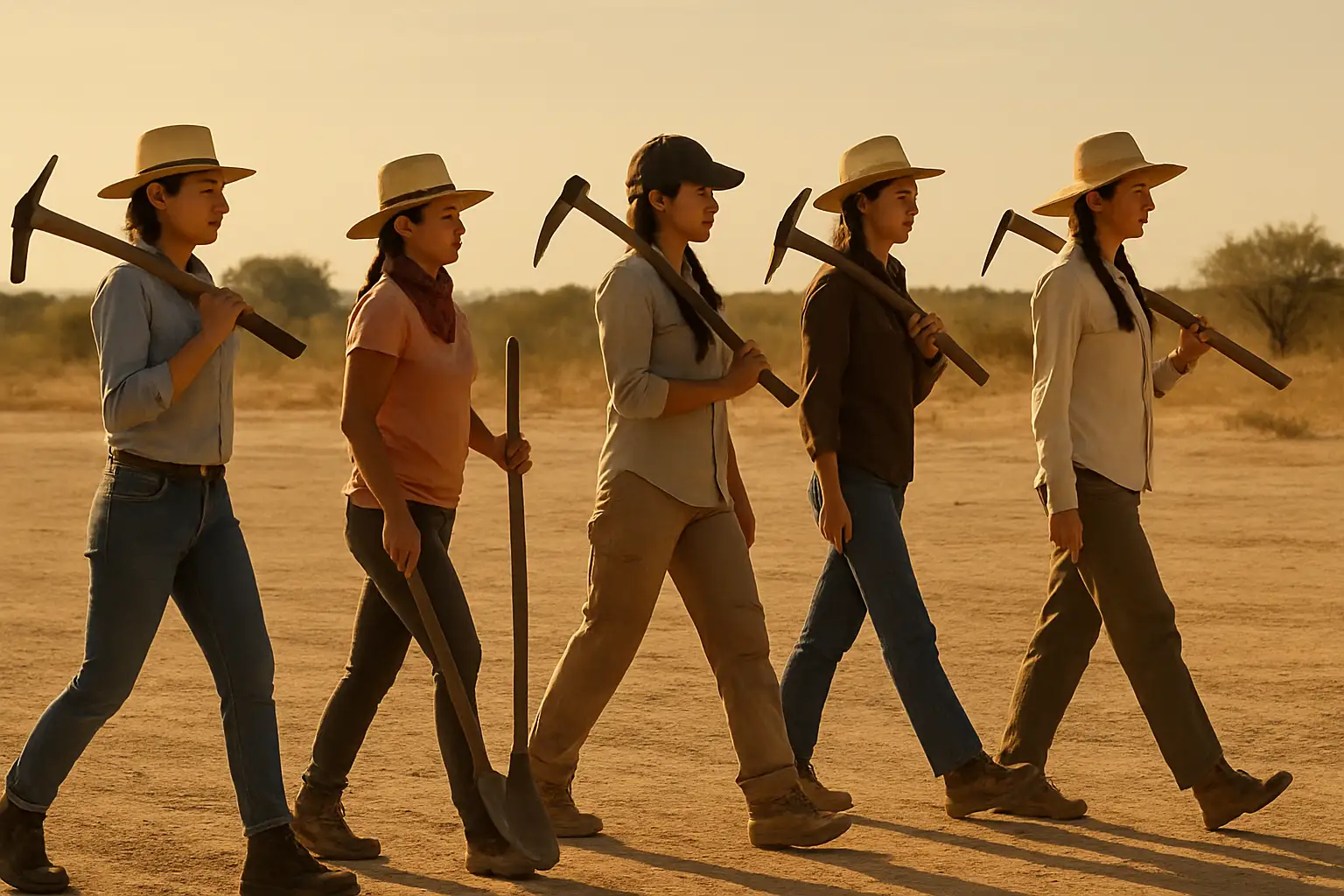
The collectives are largely made up of mothers, sisters, and wives of the disappeared. They carry shovels rather than placards, and they have built a reputation across Mexican states for doing the forensic legwork that authorities often fail to do. Their presence at a World Cup co-hosted by Mexico, the United States, and Canada puts their cause in front of a global audience that might otherwise never encounter it.
According to reporting by Global Issues, the collectives secured this recognition through persistent advocacy, pushing their story into spaces typically reserved for celebrations rather than grief. The details of the formal arrangement were reported by Global Issues.org, which covers human rights and development stories linked to major international events.
The Scale of Mexico's Disappearances
The backdrop to this story is staggering. Mexico has recorded tens of thousands of forced disappearances over the past two decades, a toll driven largely by organized crime and, in some documented cases, by collusion between criminal groups and state actors. Official registries of missing persons have long been criticized as incomplete, and many families say they cannot rely on government searches to find their relatives.
Search collectives emerged out of that vacuum. Groups in states including Sonora, Veracruz, Jalisco, and Sinaloa began organizing their own expeditions, learning rudimentary forensic techniques and sharing information across networks. Over time, they became a parallel system, one built on necessity rather than choice.
The visibility problem has always been central to their struggle. Disappearances in Mexico frequently affect people from poor or rural communities whose cases attract little media attention. A World Cup, drawing billions of viewers across weeks of competition, offers something the collectives have never had before: scale.
Why the World Cup Matters for This Movement
The 2026 tournament is scheduled to use venues across all three host nations, with several matches taking place at stadiums in Mexico City, Guadalajara, and Monterrey. That geographic footprint inside Mexico gives the collectives a natural opening to reach fans arriving from abroad and journalists covering the event.
Human rights organizations have long used major sporting events to amplify campaigns. The logic is straightforward. Governments and FIFA invest heavily in the optics of these tournaments, which creates leverage for groups seeking attention. Protests and advocacy campaigns at previous World Cups, Olympic Games, and continental championships have occasionally moved issues from the margins to the front pages.
For Mexico's search collectives, the goal is not to disrupt the tournament but to ensure that the disappeared are not forgotten while the country plays host to the world. Many of the women involved in these groups have been searching for years without resolution. A World Cup audience gives their work a context that transcends borders.
The collectives have also faced danger. Searching for bodies in territory controlled by criminal organizations carries real physical risk. Several searchers have been threatened, and some have been killed. That reality adds weight to any platform they can access.
Recognition That Took Years to Build
Securing any form of institutional recognition has been slow work. Mexican authorities have had an uneven relationship with the collectives, at times cooperating with searches and at other times creating bureaucratic obstacles. International attention has helped. As foreign journalists and human rights monitors began covering the collectives' work more consistently, domestic political pressure increased.
The World Cup pathway appears to be the result of that gradual accumulation of credibility and pressure. Global Issues reported that the collectives claimed their place through sustained advocacy rather than through a single dramatic action. That framing matters. It positions these groups not as outsiders demanding access but as recognized participants in a conversation about what hosting a global tournament actually means.
For families still searching, the immediate priority remains the same as it has always been: finding their missing relatives and identifying remains. The World Cup platform does not change that work. What it may change is how many people outside Mexico understand that the work exists at all.


Football Correspondent
Alex covers football and the global game with fast, sharp analysis.