
Morocco Secure World Cup Spot as South Africa Exit WAFCON
Morocco have qualified for the FIFA World Cup after progressing at WAFCON, while South Africa's ageing squad bowed out of the women's continental championship.
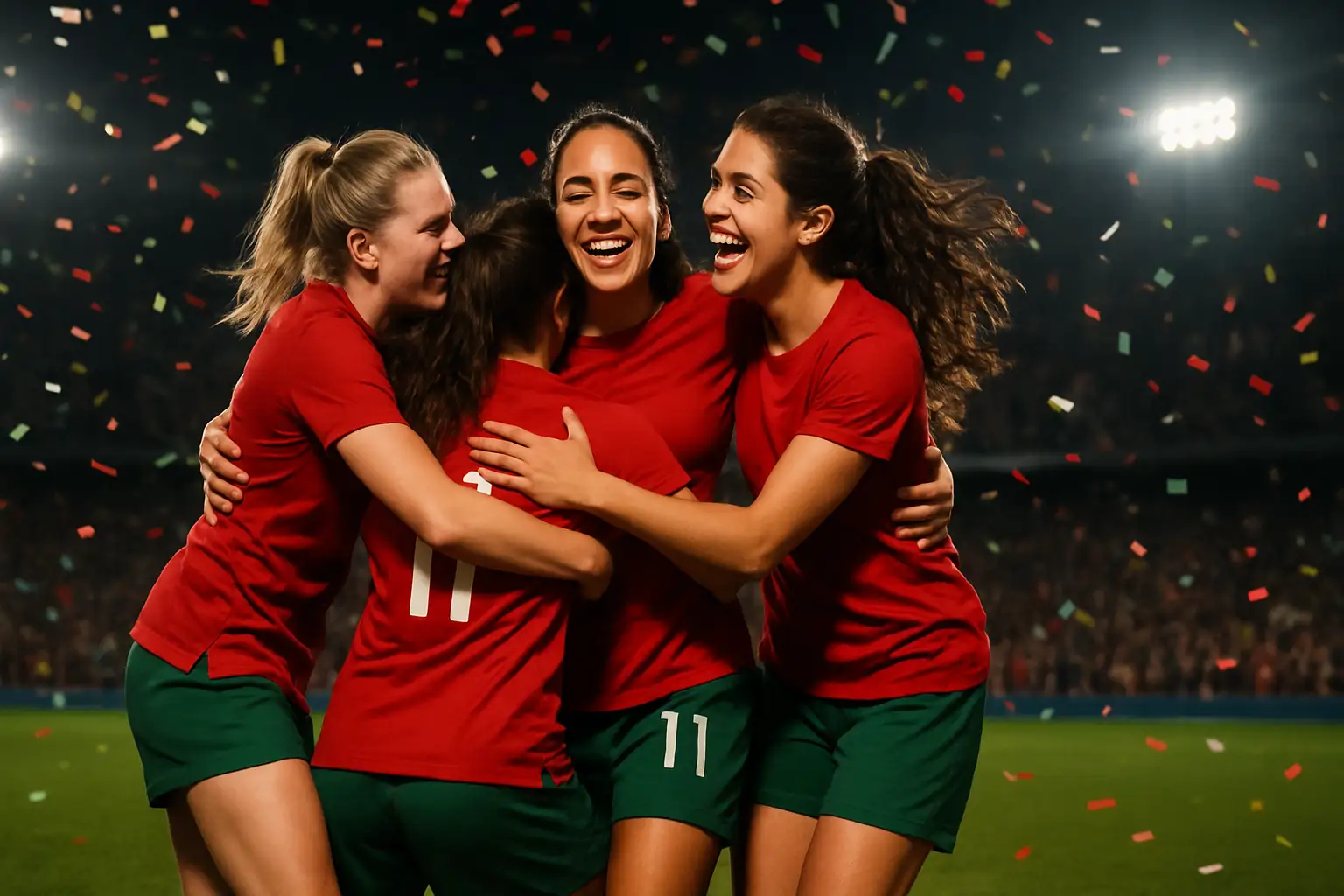


Morocco Punch Their World Cup Ticket at WAFCON
Morocco have secured their place at the FIFA World Cup after advancing at the Women's Africa Cup of Nations (WAFCON), confirming their status as one of the continent's leading women's football nations. The Atlas Lionesses' progression comes as South Africa's campaign ended at the tournament, with questions now being asked about the squad's age profile and long-term planning.
The result marks a significant achievement for Moroccan women's football, which has grown rapidly in recent years. Reaching the World Cup from WAFCON is no small feat given the competition Africa's qualifying spots attract, and Morocco's consistency throughout the tournament underlined why they are considered genuine contenders on the global stage.
South Africa, meanwhile, exit the competition without the result they needed. According to reporting by ESPN, the Banyana Banyana squad has been criticised for an ageing core of players, and this WAFCON campaign exposed the limitations that come with a transitional period in squad development. Their elimination means they will also miss out on the World Cup berth that progression would have secured.
South Africa's Squad Age a Growing Concern
The phrase "ageing South Africa" is not just a passing observation. ESPN's coverage pointed to the squad's demographic make-up as a structural issue rather than a one-off poor performance. When a team's senior players are past their peak and younger replacements have not yet stepped up to fill the gap, tournament exits like this one tend to follow.
For South Africa football administrators, the exit is a moment to seriously reassess. Building depth at youth level takes years, and WAFCON eliminations have a compounding effect because they also deny players the high-profile international experience needed to develop faster. Missing a World Cup cycle only widens the gap.
Banyana Banyana had earned admiration across Africa for their performances in previous years, including a historic run to the 2023 FIFA Women's World Cup in Australia and New Zealand. But maintaining that level requires constant squad renewal, and the signs at this WAFCON suggest that renewal has not happened quickly enough.
What Morocco's Qualification Means
For Morocco, the World Cup berth is a continuation of a trajectory that has been building since the country hosted and performed strongly at WAFCON in 2022. The federation's investment in the women's game - coaching infrastructure, league development, and international exposure - is producing results at the highest level.
Morocco qualifying also reflects broader momentum in North African women's football. The Atlas Lionesses will now prepare for the World Cup knowing they have the continental tournament experience needed to compete, even if the gap to the world's top sides remains a challenge to close.
Africa's representation at the World Cup carries weight beyond the results on the pitch. Each qualifying nation brings with it a fan base, a media spotlight, and an opportunity to inspire the next generation of female players at home. Morocco's place is secured; now the focus turns to how they approach preparation for the global stage.
South Africa's absence from that conversation, for now, is the sharper storyline to watch as WAFCON concludes.


Football Correspondent
Alex covers football and the global game with fast, sharp analysis.