Nigeria Miss Women's World Cup for First Time After South Africa Loss
Nigeria have failed to qualify for the Women's World Cup for the first time in their history after losing to South Africa, ending a remarkable run.


A Historic Low for Nigerian Women's Football
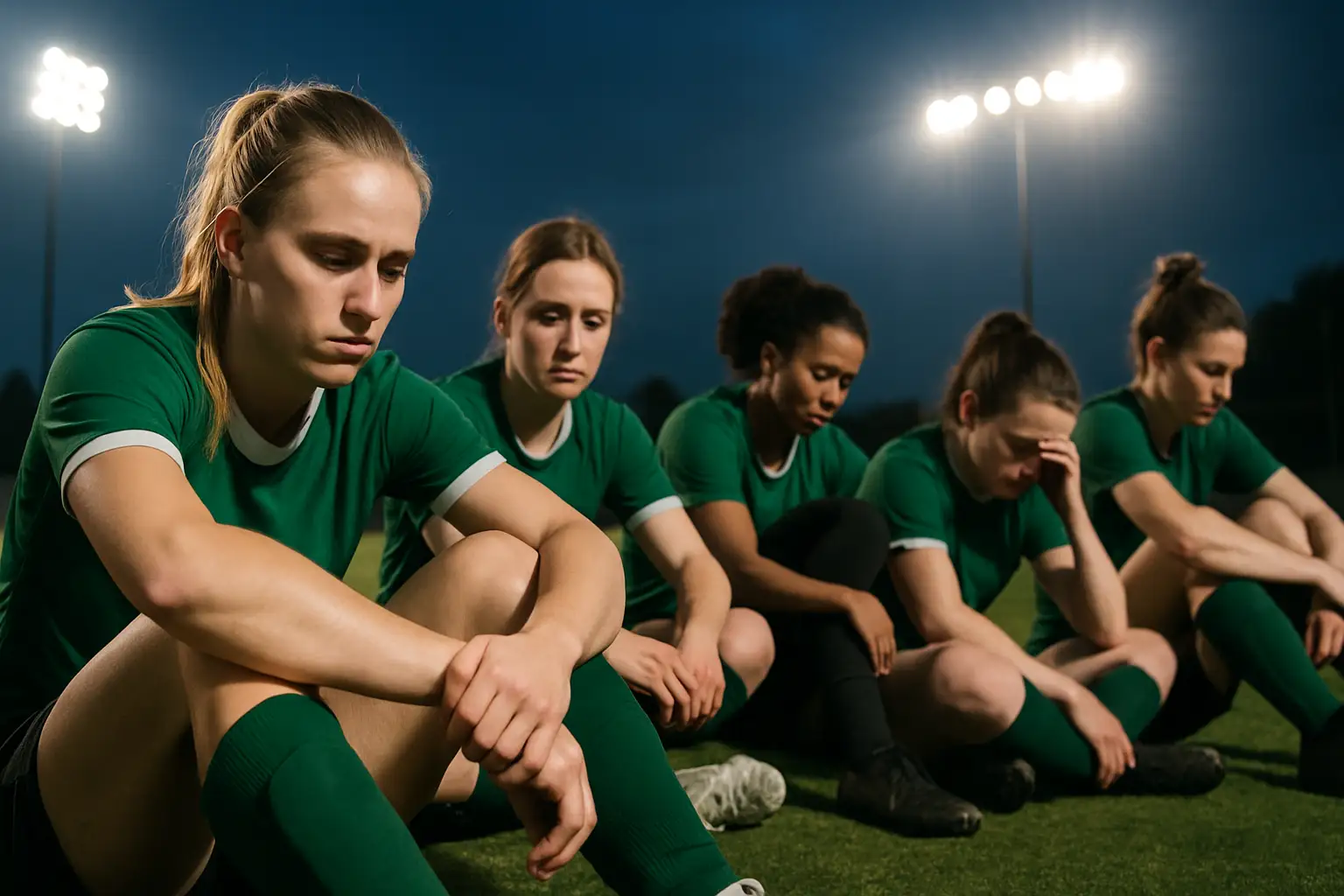
Nigeria have failed to qualify for the Women's World Cup for the first time, a stunning blow to one of Africa's most decorated women's football programs. The Super Falcons were beaten by South Africa in qualifying, ending a streak that had seen Nigeria reach every previous edition of the tournament since it began in 1991.
The defeat marks a sharp turning point for a nation that has won the Africa Women Cup of Nations a record eleven times. For decades, Nigeria were the automatic benchmark for women's football on the continent. That status is now under serious question.
South Africa, known as Banyana Banyana, have been steadily closing the gap in African women's football over recent years. Their win over Nigeria is the clearest signal yet that the balance of power in the region has shifted. South Africa qualified for and competed in the 2023 Women's World Cup in Australia and New Zealand, while Nigeria also appeared at that tournament. This latest result suggests South Africa have now moved ahead of their rivals at a critical moment.
What Went Wrong for the Super Falcons
Nigeria's failure to qualify is the result of problems that have been building for some time. The country's football administration has faced persistent criticism over funding, player welfare, and the management of the national team setup. Players have previously gone public with complaints about unpaid allowances and poor preparation before major tournaments, issues that erode squad morale and continuity.
The Super Falcons also face a generational challenge. Several players who carried the team for years are ageing, and the pipeline of younger talent has not been developed with the same urgency seen in rival nations. South Africa, by contrast, have invested more consistently in their domestic league and youth structures.
Coaching instability has also played a part. Frequent changes in technical leadership make it difficult to build a coherent style of play or long-term squad identity. Without that foundation, results at critical qualifying stages become harder to control.
What This Means for African Women's Football
Nigeria's absence from the next Women's World Cup is not just a national story. It reshapes how Africa will be represented on the global stage. South Africa's rise, along with other improving nations across the continent, points to a broader democratisation of African women's football. More countries are now capable of reaching and competing at the highest level.
For broadcasters, sponsors, and fans who follow African football, Nigeria's exit removes one of the continent's most recognisable brands from the tournament. The Super Falcons have produced players who competed at the highest club level in Europe and the United States, and their absence will be felt.
The result, first reported by The New York Times, has sparked immediate debate inside Nigeria about the state of the women's game and who bears responsibility for the qualifying failure. Calls for an overhaul of the administration and a structured investment plan for women's football are likely to grow louder in the weeks ahead.
What Happens Next
The Nigeria Football Federation faces pressure to respond quickly and credibly. A review of the qualifying campaign is expected, and changes to the coaching setup are possible. Whether those moves will be enough to rebuild confidence ahead of the next cycle remains to be seen.
For South Africa, the win is a moment to build on. Banyana Banyana have shown they can compete with and beat the continent's traditional heavyweights. Carrying that momentum into the Women's World Cup will be the next test.
Nigeria's players, many of whom compete professionally abroad, will feel this absence acutely. Missing the sport's second-biggest tournament is a career setback for athletes at the peak of their powers, and the federation will need to address the structural issues quickly if it wants to restore the Super Falcons to qualifying contention.


Football Correspondent
Alex covers football and the global game with fast, sharp analysis.