UEFA Votes to Boycott World Cup Over FIFA Investor Plan
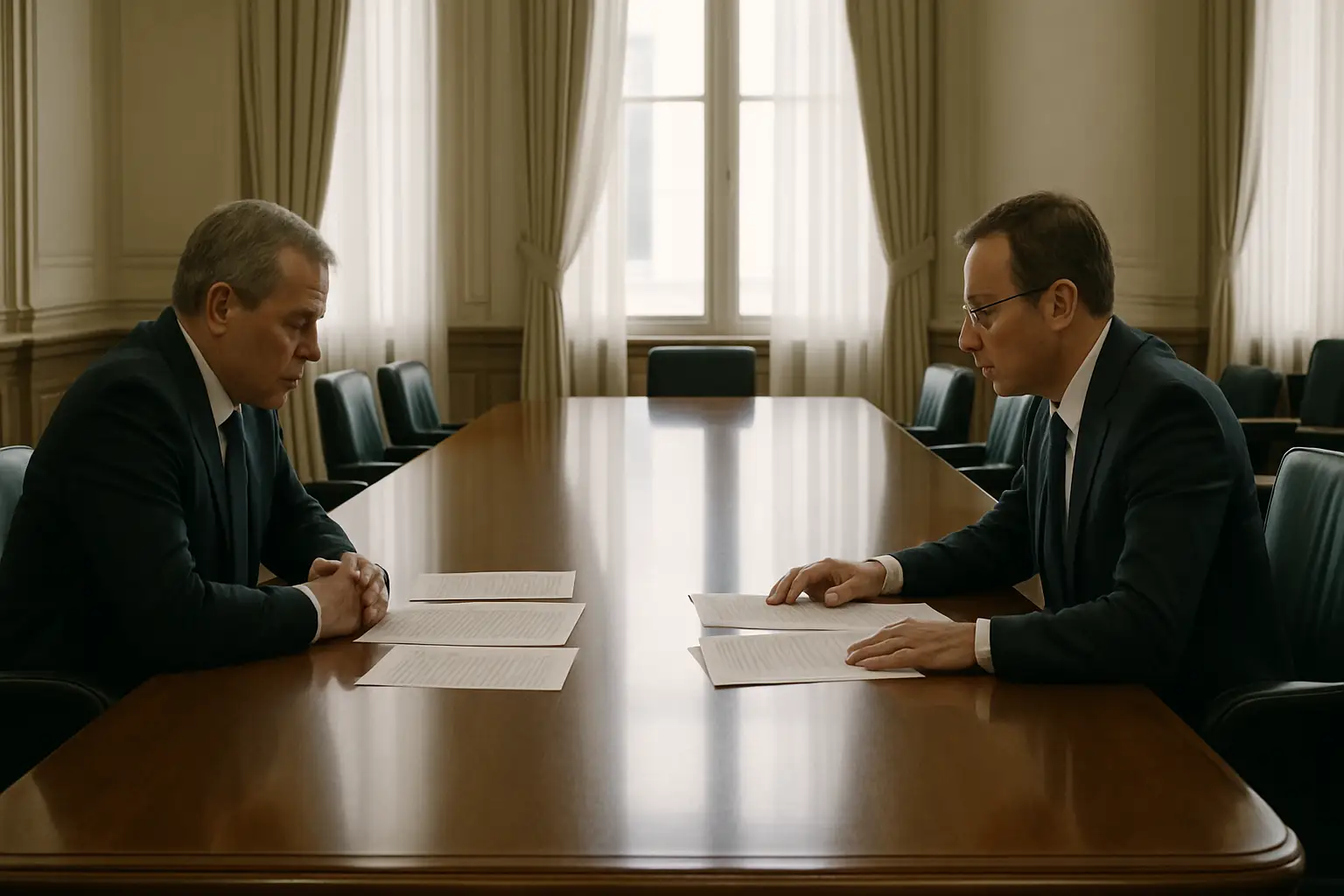
UEFA has voted to boycott the FIFA World Cup in a major dispute over FIFA's plan to bring in outside investors, escalating tensions at the top of world football.



UEFA Takes a Stand Against FIFA's Investor Proposal
Europe's football governing body, UEFA, has voted to boycott the FIFA World Cup in response to FIFA's push to bring private investors into the structure of world football. The move marks one of the sharpest confrontations between UEFA and FIFA in recent memory, and it signals that European football's leadership is willing to apply serious pressure to block a financial plan it strongly opposes.
According to reporting by DW.com, UEFA member associations backed the boycott vote as a direct protest against FIFA's investor plan. The plan, as reported, would see outside investment enter FIFA's commercial operations, a prospect UEFA views as a fundamental threat to how the sport is governed.
What Is FIFA's Investor Plan?
FIFA has been exploring ways to bring private capital into its ecosystem, a move that would give external investors a stake in football's global commercial revenues. Supporters of such a plan argue it could generate significant new funding for the sport at all levels. Critics, however, warn that handing influence to private investors undermines the non-profit and member-driven model that football's governing bodies have long operated under.
UEFA sits firmly in the critical camp. The organization has made clear it does not want outside investors shaping decisions or sharing in revenues that European football considers central to its own redistribution model - money that flows down from elite competitions to grassroots clubs and national associations across the continent.
A High-Stakes Power Struggle
The boycott vote raises the stakes considerably. A World Cup without European nations would be a dramatically diminished tournament. Europe produces a large share of the world's top players and consistently fields some of the strongest national teams in any World Cup cycle. The threat is therefore not a symbolic gesture - it carries real commercial and sporting weight.
This confrontation follows years of growing friction between UEFA and FIFA over the direction of world football. Earlier disputes have touched on fixture calendars, the expansion of international competitions, and the rights of domestic leagues. The investor question has now pushed the relationship to a new level of tension.
UEFA president Aleksander Ceferin has previously been vocal about protecting what he describes as the solidarity model of European football, where revenues from major competitions are redistributed widely rather than concentrated among a small group of powerful clubs or outside shareholders.
What Happens Next?
It remains to be seen whether FIFA will adjust or abandon its investor plan in the face of a potential European boycott, or whether it will press ahead and call UEFA's bluff. The next World Cup cycle gives both sides some time to negotiate, but the vote itself sends a clear signal that UEFA is prepared to follow through.
Other continental confederations will be watching closely. If UEFA's position gains wider support, FIFA could find its investor ambitions blocked by a coalition of governing bodies rather than just one regional bloc. Conversely, if FIFA presses forward and UEFA ultimately backs down, it would mark a significant shift in the balance of power within the sport's global administration.
For fans, the prospect of a World Cup without European teams is difficult to imagine. For football's administrators, that very difficulty is exactly the point.


Football Correspondent
Alex covers football and the global game with fast, sharp analysis.