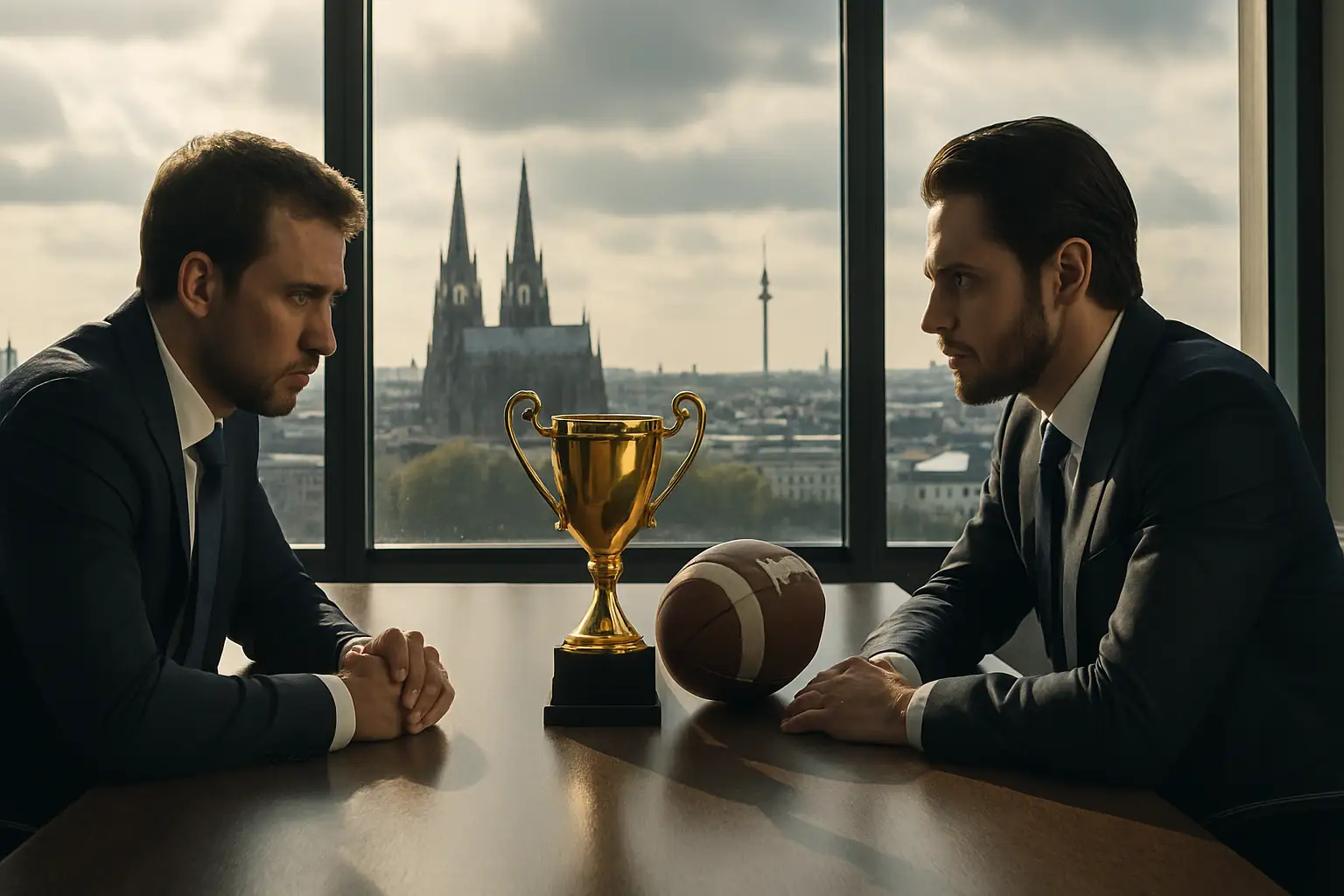
UEFA Firms Up FIFA Boycott Threat as Pressure on Infantino Mounts
UEFA has reinforced its threat to boycott FIFA competitions as tensions between European football's governing body and FIFA president Gianni Infantino continue to escalate.
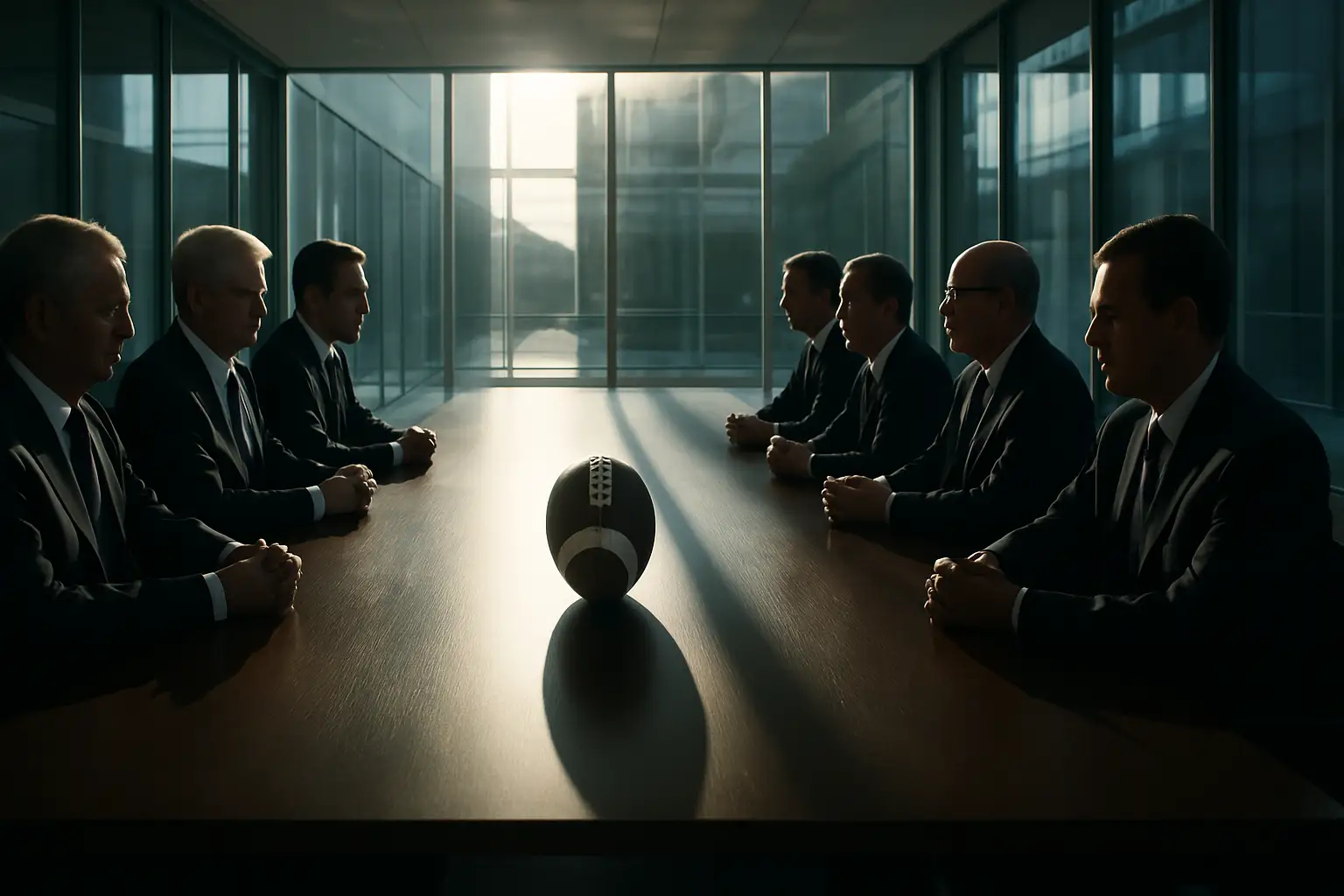


UEFA Stands Firm Against FIFA Leadership
The UEFA FIFA boycott threat is no longer background noise. Europe's governing body has moved beyond diplomatic warnings and is doubling down on its position, signaling that a formal break from certain FIFA competitions remains a live option as pressure on FIFA president Gianni Infantino intensifies, according to reporting from the Australian Broadcasting Corporation.
The standoff marks one of the most serious fault lines in world football governance in recent memory. UEFA represents the continent that produces the bulk of global football's commercial value, its top clubs, and its most-watched leagues. When it threatens to sit out FIFA events, the threat carries real financial and sporting weight.
The specifics of what triggered the latest escalation were not detailed in the available reporting, but the broader context is a long-running dispute over the direction of FIFA under Infantino, including concerns about competition structure, revenue distribution, and the concentration of decision-making power within FIFA's leadership.
What a Boycott Would Actually Mean
A UEFA-backed boycott of FIFA competitions would be an extraordinary step. European nations supply a significant share of World Cup participants and generate enormous broadcasting and sponsorship revenue for the tournament. Without them, or even with their absence as a credible threat, FIFA's flagship events lose much of their commercial appeal.
For players, the consequences would be direct. Those competing for European clubs and national teams could find themselves caught between their continental federation and the global body, forced to choose which competitions to prioritize. For broadcasters and sponsors already committed to FIFA events, the uncertainty alone creates problems.
UEFA has not been alone in raising concerns about Infantino's stewardship. Other confederations and football stakeholders have at various points questioned decisions made under his presidency, though UEFA has been the most vocal and organized in its opposition.
Infantino Under Growing Scrutiny
Gianni Infantino has faced persistent criticism over governance and transparency during his time leading FIFA. The pressure referenced in ABC's reporting reflects a pattern of pushback from European football officials who argue that FIFA's current leadership does not adequately consult or represent the interests of established footballing nations and their leagues.
Infantino has also drawn attention for his political positioning and his relationships with various governments, which critics argue have influenced FIFA's institutional decisions. UEFA officials have made clear they believe the balance of power within world football needs to shift.
Whether the two bodies can find a negotiated resolution remains to be seen. Both sides have incentives to avoid a clean break. FIFA needs European participation and credibility. UEFA and its member associations benefit from the global structure that FIFA provides, including World Cup qualification pathways and international match calendars.
Where This Dispute Goes Next
The hardening of UEFA's position suggests that back-channel diplomacy has not produced results satisfactory to European football's leadership. By going public with a reinforced boycott threat, UEFA is applying maximum external pressure, making it harder for either side to quietly walk back without a visible concession.
Football governance disputes of this kind tend to move slowly, with press statements, emergency meetings, and behind-the-scenes negotiations running in parallel. But the public sharpness of UEFA's stance indicates this is not routine posturing.
The coming weeks and months, particularly as FIFA calendar decisions and competition formats come up for review, will test whether either side blinks. European clubs and leagues, many of whom have their own grievances with FIFA over issues like the Club World Cup and international windows, will be watching closely to see whether UEFA's threat translates into coordinated action or fades as previous warnings have.


Football Correspondent
Alex covers football and the global game with fast, sharp analysis.