UEFA Issue Gianni Infantino Warning Over Evidence in FIFA Probe
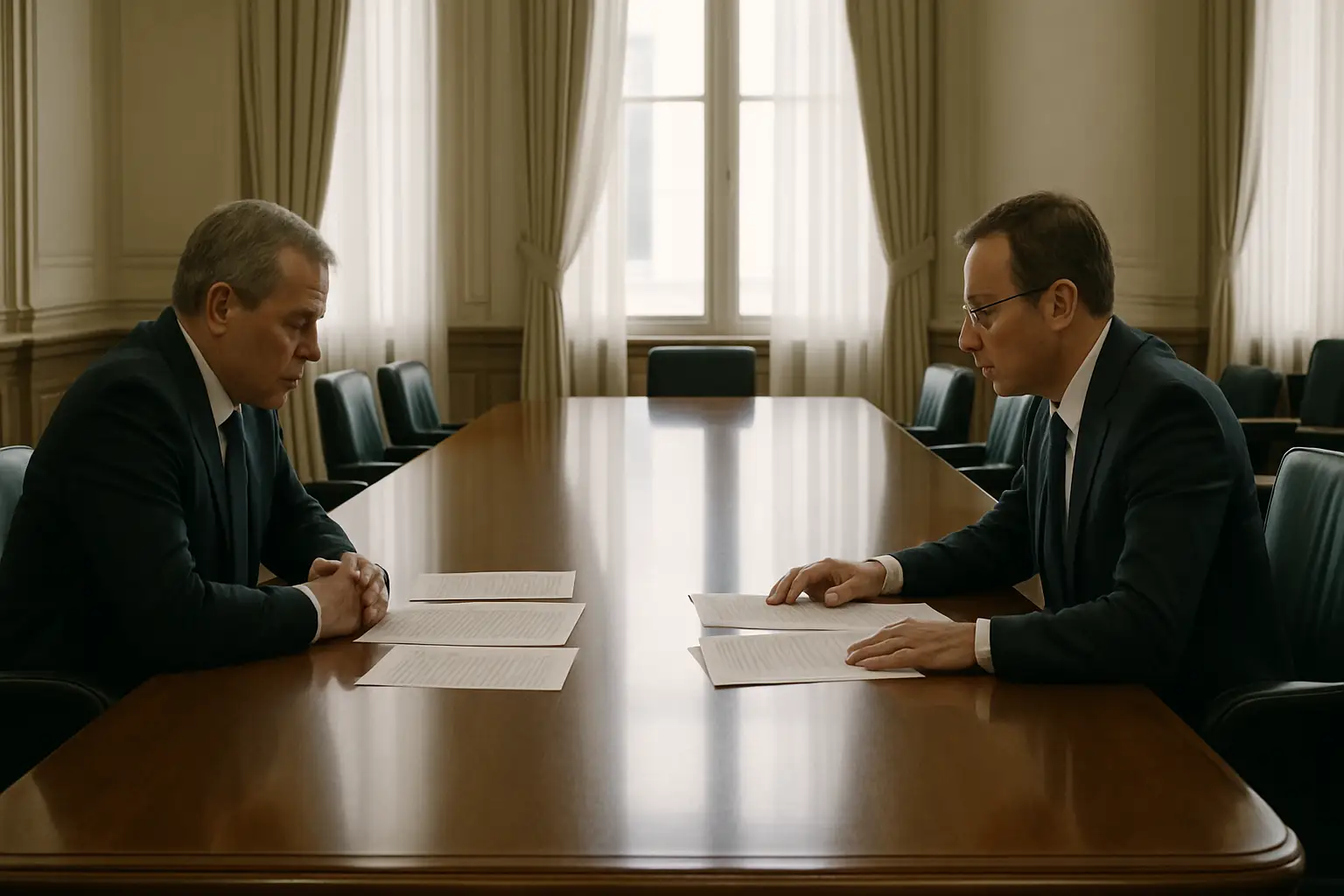
UEFA have issued a stark warning to FIFA president Gianni Infantino, urging him not to destroy evidence as a formal investigation into the football chief intensifies.
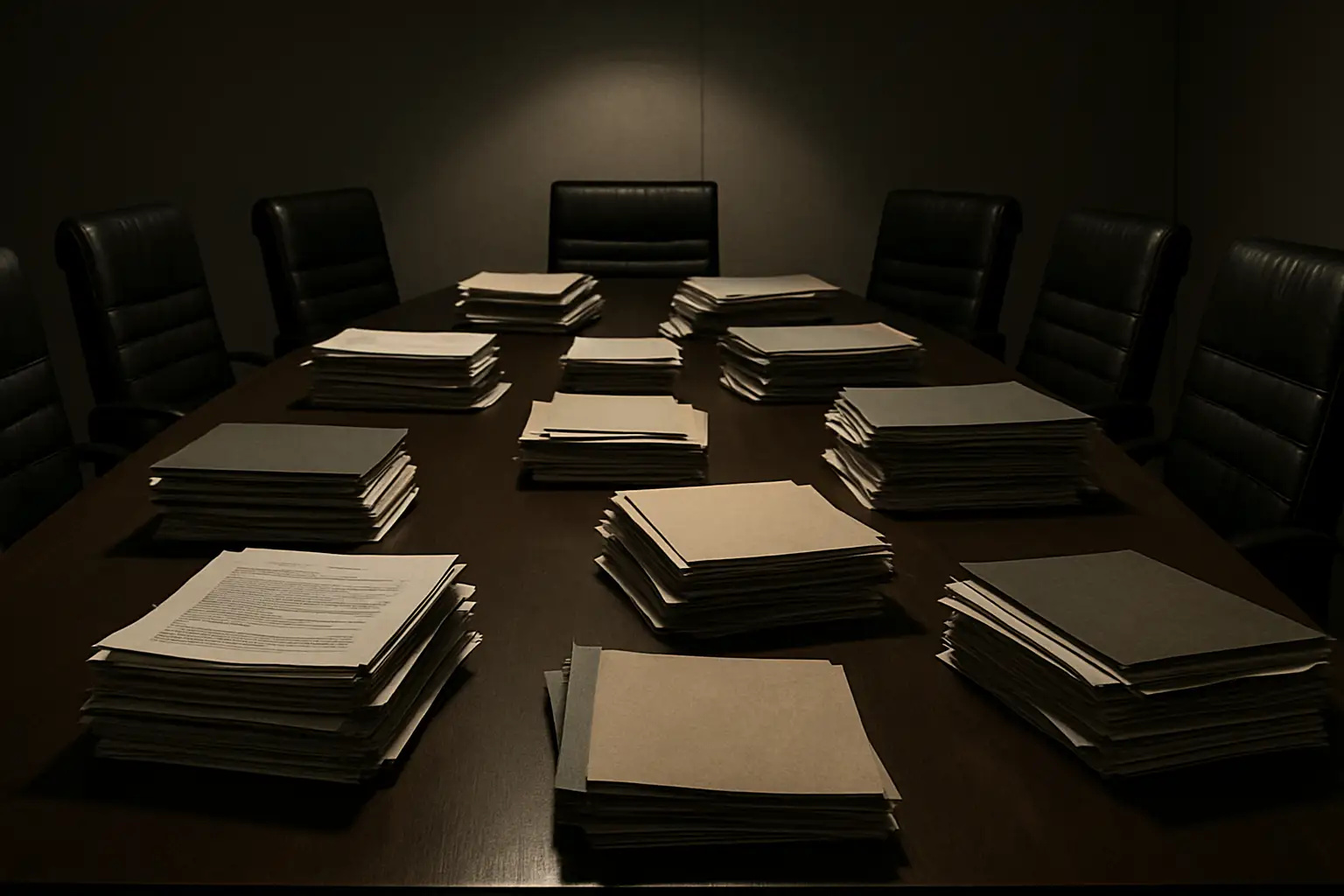


UEFA Puts Infantino on Notice
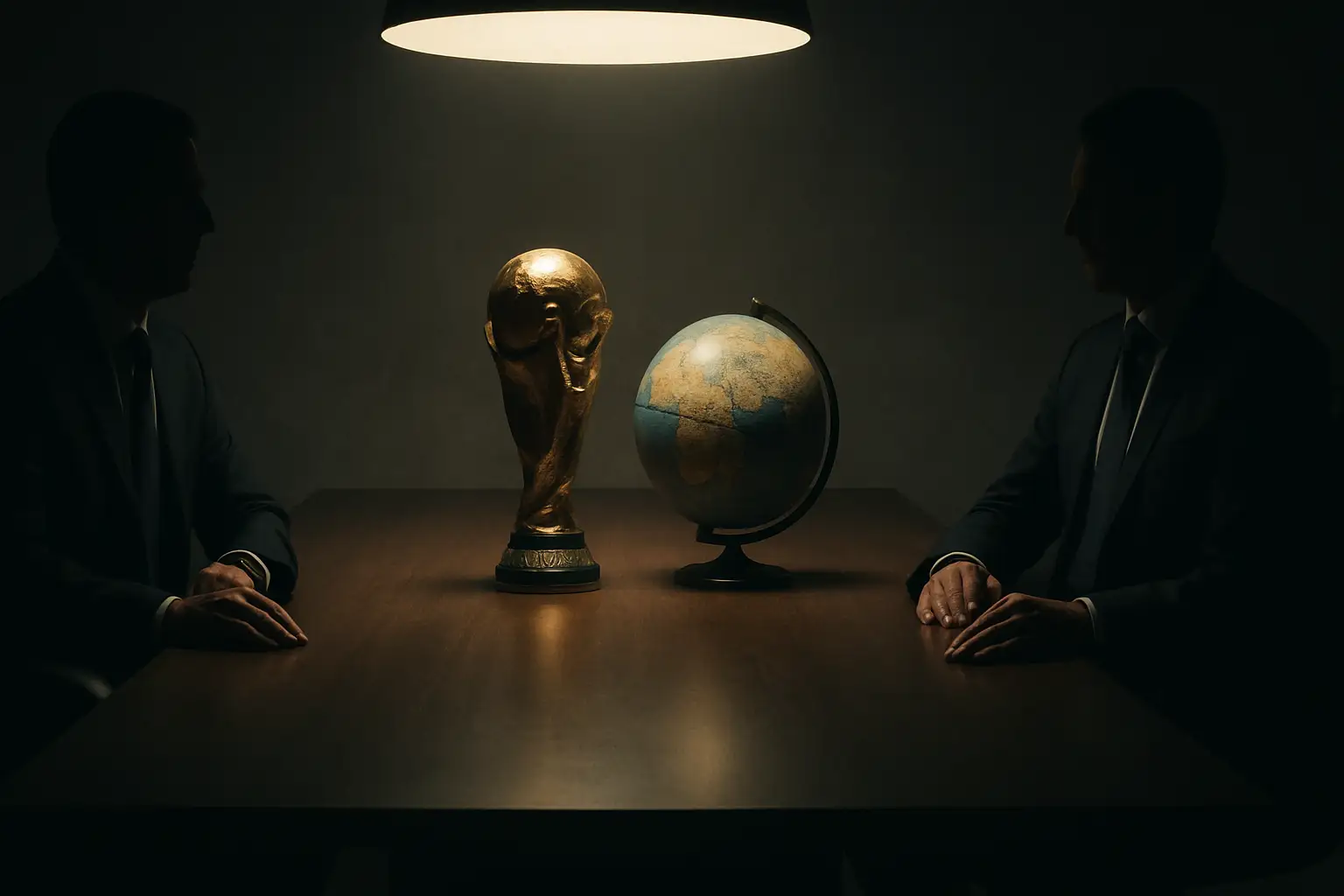
UEFA have dropped a significant bombshell on Gianni Infantino, warning the FIFA president not to destroy evidence as scrutiny over the football chief reaches a new level. The formal caution from European football's governing body signals a deepening rift between UEFA and FIFA, two organisations that have long operated in an uneasy relationship at the top of the global game.
The warning puts Infantino in an uncomfortable spotlight at a time when FIFA is already managing considerable pressure over governance and transparency. UEFA's intervention makes clear that the body is taking the matter seriously and expects full cooperation with any investigative process.
What the Warning Means
Issuing a formal call to preserve evidence is not a routine administrative step. It suggests UEFA believes there is a real risk that material relevant to an investigation could be interfered with or removed. The nature of that evidence has not been fully detailed in public reporting, but the strength of the language used by UEFA points to serious underlying concerns.
Originally reported by the Mirror, the development marks one of the more dramatic public moves UEFA has made against a sitting FIFA president in recent memory. Infantino, who has led FIFA since 2016, has faced various controversies over the years relating to his conduct and decision-making in office. This latest episode adds a new dimension to those long-running tensions.
The timing is significant. With FIFA's expanded Club World Cup underway and the 2026 World Cup in North America on the horizon, Infantino has been projecting an image of a confident, forward-looking FIFA leadership. A formal evidence-preservation warning from UEFA cuts sharply against that narrative.
UEFA and FIFA: A Fractured Relationship
The relationship between UEFA and FIFA has never been entirely smooth. European football's power bloc has repeatedly clashed with FIFA's global leadership over issues ranging from competition formats to financial regulations. UEFA president Aleksander Ceferin has previously been openly critical of Infantino on multiple fronts.
This latest development is, however, qualitatively different from past disputes over calendars or commercial rights. A warning tied to evidence and potential investigations carries legal and institutional weight that ordinary governance disagreements do not. It forces both organisations into a more adversarial posture at a moment when football's global administration is already under scrutiny from fans, sponsors, and governments alike.
For the clubs and national associations that operate under both UEFA and FIFA jurisdictions, the standoff creates uncertainty. Decisions made at the top level of football governance have direct consequences for competitions, player regulations, and financial structures throughout the sport.
What Happens Next
How Infantino and FIFA respond will be closely watched. A defiant or dismissive reaction from FIFA would likely escalate tensions further and potentially draw in other stakeholders, including national associations and legal authorities depending on the nature of the investigation. A more cooperative stance could help contain the situation but would still leave questions about the underlying allegations unanswered.
UEFA's move puts pressure on football's wider governance community to take a position. The Court of Arbitration for Sport and national legal systems in Switzerland, where FIFA is headquartered, could become relevant depending on how the situation unfolds.
What is clear is that UEFA's warning to Gianni Infantino is not a gesture. It is a pointed, formal signal that European football's most powerful body believes something serious enough has occurred to warrant preserving a documentary record, and that it is prepared to say so publicly.


Football Correspondent
Alex covers football and the global game with fast, sharp analysis.