UEFA Nations Threaten World Cup Boycott Over FIFA Proposals
European football associations are considering a boycott of the FIFA World Cup in response to proposals from the global governing body that UEFA members strongly oppose.


European Football Bodies Push Back Against FIFA
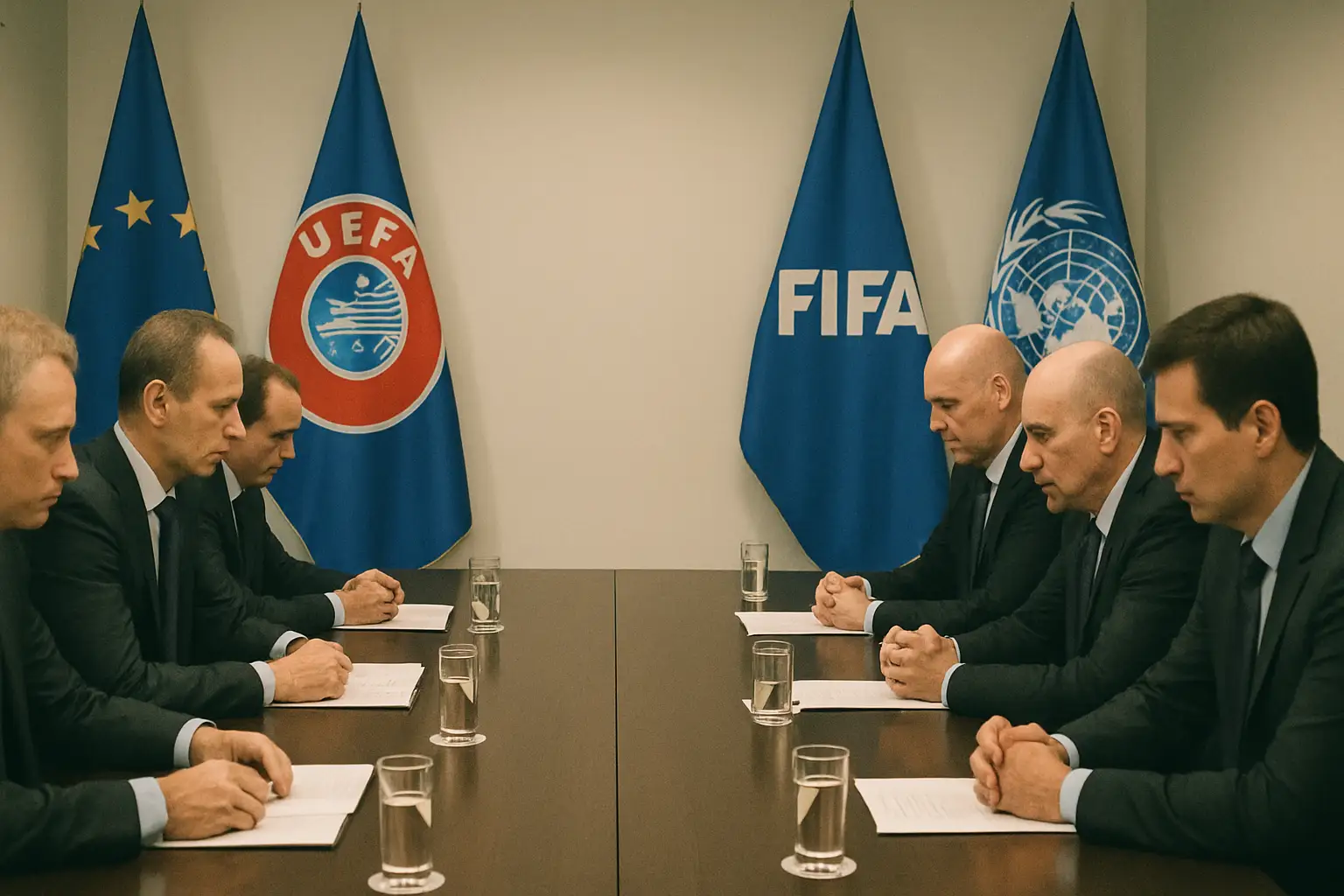
A potential UEFA World Cup boycott is taking shape as European football associations signal they may refuse to participate in the FIFA World Cup over proposals put forward by the global governing body. The standoff marks one of the most serious ruptures between UEFA and FIFA in recent memory, with member nations prepared to take the drastic step of sitting out the sport's most prestigious tournament.
According to reporting by The Boca Raton Tribune, countries aligned with UEFA are weighing a collective withdrawal from the World Cup if FIFA moves forward with the contested proposals. The specific nature of those proposals has driven significant frustration across European football leadership, where officials view the changes as a threat to the structure and governance of the game on the continent.
The threat of a boycott from European nations would carry enormous weight. UEFA's member associations include some of the world's strongest footballing nations, and their absence from a World Cup would fundamentally reshape the tournament's competitive and commercial appeal.
What a Boycott Would Mean for the World Cup
A withdrawal by UEFA-affiliated countries would be without modern precedent at the World Cup level. European nations have historically accounted for a large share of World Cup participants and have won the tournament multiple times. Removing that bloc from competition would strip the event of a significant portion of its global draw.
The commercial consequences alone would be severe. Broadcasters, sponsors, and host nations structure their expectations around participation from top European sides. Any confirmed boycott would trigger contractual and logistical complications across the entire FIFA ecosystem.
For fans, a World Cup without European nations would feel incomplete. Rivalries that have defined the tournament for decades would disappear, and the event's credibility as a true world championship would come into question.
The Broader UEFA-FIFA Tension
This standoff does not emerge from nowhere. The relationship between UEFA and FIFA has been tested repeatedly over questions of governance, competition scheduling, and the balance of power between the global body and its regional confederations. UEFA has consistently pushed to protect the interests of European clubs and national associations when FIFA initiatives appear to conflict with those priorities.
The current dispute follows a pattern where FIFA introduces proposals affecting the international calendar or competition structure, and UEFA responds with resistance. What makes this episode different is the scale of the threatened response. A boycott is the most extreme tool available to UEFA members short of a formal breakaway, and the willingness to raise it publicly signals how seriously European football leadership views the situation.
FIFA, for its part, faces a difficult calculation. Pressing ahead with proposals that drive UEFA members toward a boycott risks fracturing the institution it governs. Walking back the proposals would represent a significant concession to European influence within global football politics.
How the two bodies resolve this dispute will shape the governance of international football for years to come. Negotiations are expected to continue, but the public threat of a boycott has already changed the dynamic of those conversations.


Football Correspondent
Alex covers football and the global game with fast, sharp analysis.