UEFA World Cup Boycott Holds Firm After Fifa Backs Infantino
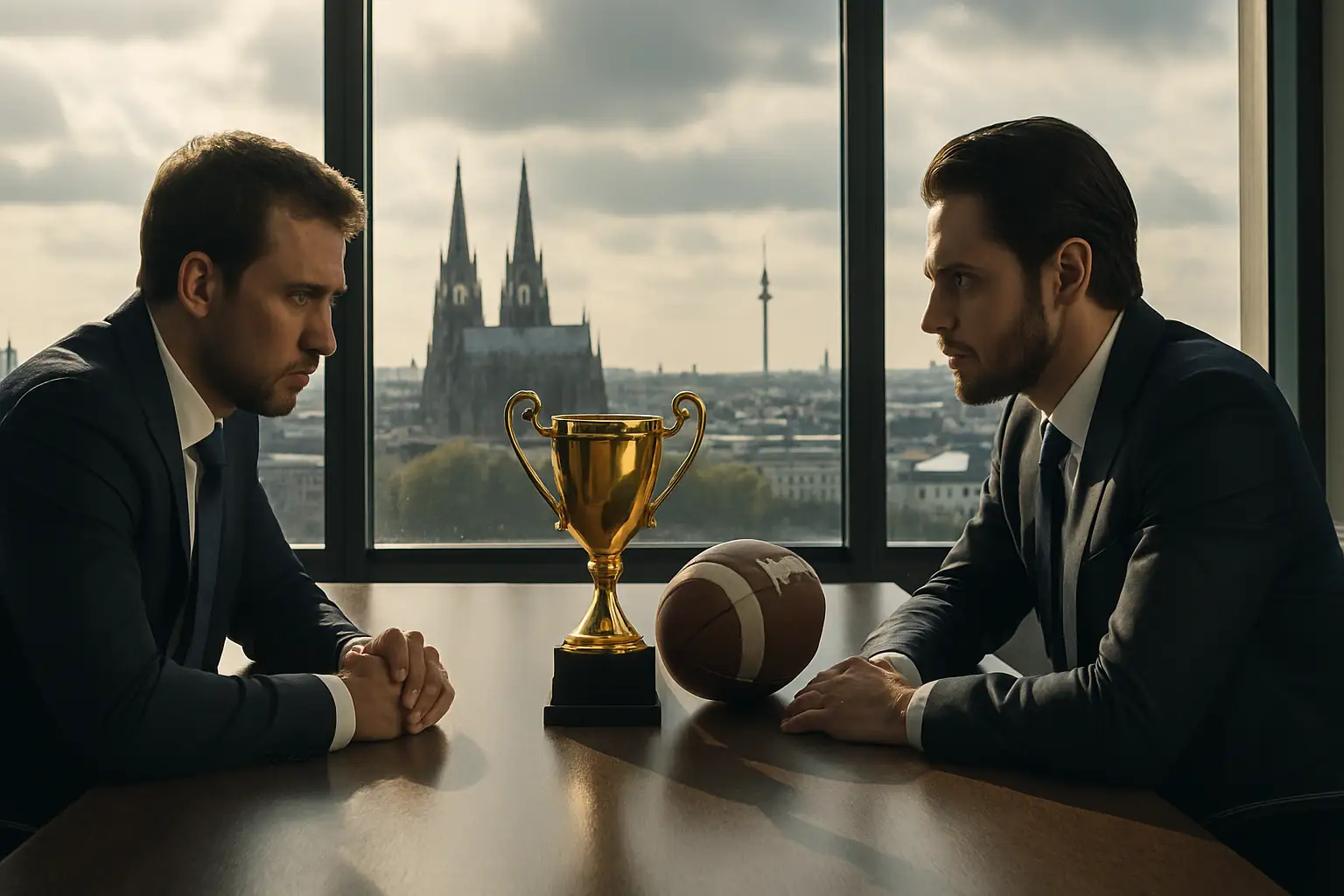
UEFA says its threatened boycott of the expanded Fifa World Cup remains in place, even after Fifa's member federations gave their backing to president Gianni Infantino.


UEFA Refuses to Back Down on World Cup Threat
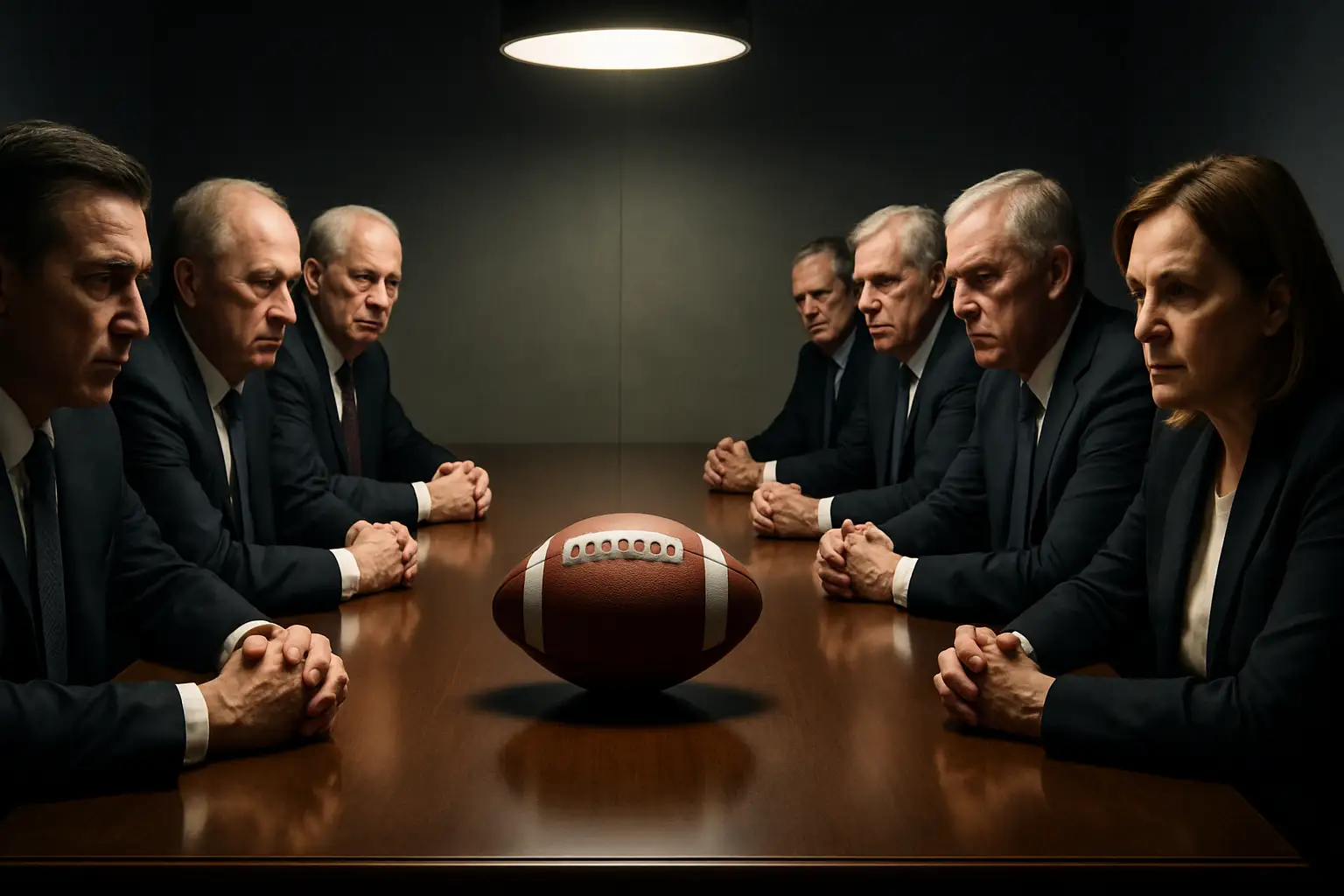
UEFA has confirmed that its threat to boycott the Fifa World Cup is still very much on the table, despite Fifa receiving a show of support for president Gianni Infantino from its member associations. The standoff between European football's governing body and Fifa marks one of the most serious ruptures in world football governance in recent memory.
According to reporting by The Guardian, UEFA officials made clear that the backing Infantino received from other Fifa federations has done nothing to change their position. The boycott threat, which relates to concerns European associations have raised about the direction of Fifa under Infantino's leadership, is not being quietly dropped.
This is a significant moment. UEFA represents 55 national associations and oversees the continent that produces the largest share of World Cup revenue through broadcast deals and commercial partnerships. A genuine European boycott of a World Cup would be financially and competitively catastrophic for the tournament.
What Is Driving the Dispute
The tension between UEFA and Fifa has been building for some time. European associations have expressed deep unease about governance issues and the way major decisions are being pushed through under Infantino. Critics within UEFA argue that the process lacks transparency and that smaller or less powerful associations are being used to rubber-stamp decisions that serve narrow interests.
The expanded 48-team World Cup format, which is set to be used in the United States, Canada, and Mexico in 2026, sits at the heart of much of this friction. European associations have questioned whether the expansion genuinely benefits the global game or primarily serves commercial and political objectives.
Infantino, for his part, has continued to gather support from confederations outside Europe, particularly in Africa, Asia, and South America, where the expanded format is seen as offering more nations a route to the biggest stage in football. That bloc of support gave him a strong majority at the Fifa congress level, but it has not been enough to bring UEFA back to the table on its own terms.
The Stakes for World Football
The prospect of a UEFA World Cup boycott is not just a political headline. It has concrete implications for how the tournament would look and function. Remove Europe's top nations and you lose Germany, France, Spain, England, Portugal, and the Netherlands, among others. The commercial value of the event would drop sharply, and the credibility of any resulting world champion would be questioned immediately.
For broadcasters who pay billions to screen the World Cup, a version of the tournament without European powerhouses is a very different product. Sponsors would face awkward questions about the return on their investment.
That financial reality gives UEFA real leverage, even if Infantino has secured broad political support from the wider Fifa membership. The governing body's ability to unify the rest of the world behind him does not automatically neutralize the economic weight Europe carries.
What Happens Next
No formal deadline has been set publicly for UEFA to either escalate or resolve the dispute. The organization has indicated it will hold its position while its specific concerns remain unaddressed. Whether that means direct negotiations with Fifa or a continued war of words through official statements remains to be seen.
What is clear is that UEFA is not treating the Fifa membership vote as a resolution. European football's leadership sees the issue as unfinished, and with the 2026 World Cup qualification process already underway across the continent, the timeline for any resolution is tightening.
The situation will likely force both sides toward some form of dialogue. A boycott would harm Fifa's tournament and reputation. But backing down without concessions would undermine UEFA's credibility as a counterweight to Infantino's centralizing approach to Fifa governance. Neither side has an obvious easy exit.


Football Correspondent
Alex covers football and the global game with fast, sharp analysis.