Why the United States Could Host Another World Cup Sooner Than Expected
The United States is already lined up for 2026, but several factors suggest another hosting opportunity could come around faster than most fans realize.


The US Is Already Back in the World Cup Host Seat
The United States will co-host the 2026 FIFA World Cup alongside Canada and Mexico, marking the country's return to World Cup hosting for the first time since 1994. But according to reporting from Marca, there are credible reasons to believe the US could land another hosting role sooner than the typical multi-decade gap most nations experience between tournaments.
The 2026 edition alone is a massive undertaking. Sixteen US cities are involved across the country, from New York and Los Angeles to Dallas and Seattle. The infrastructure, commercial relationships, and organizing experience being built right now create a foundation that FIFA would find hard to ignore when future bids open up.
Infrastructure and Commercial Power Make the US a Repeat Candidate
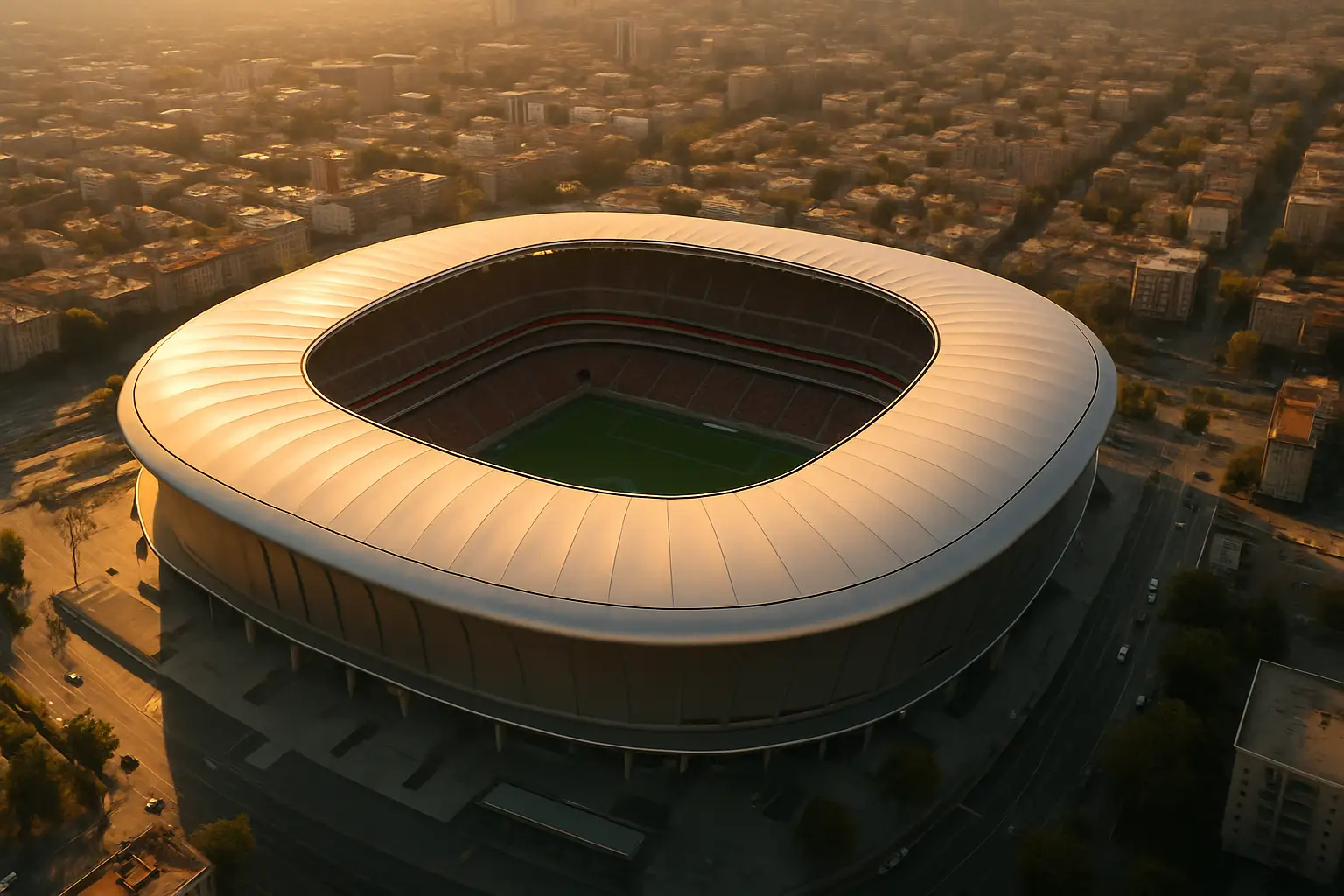
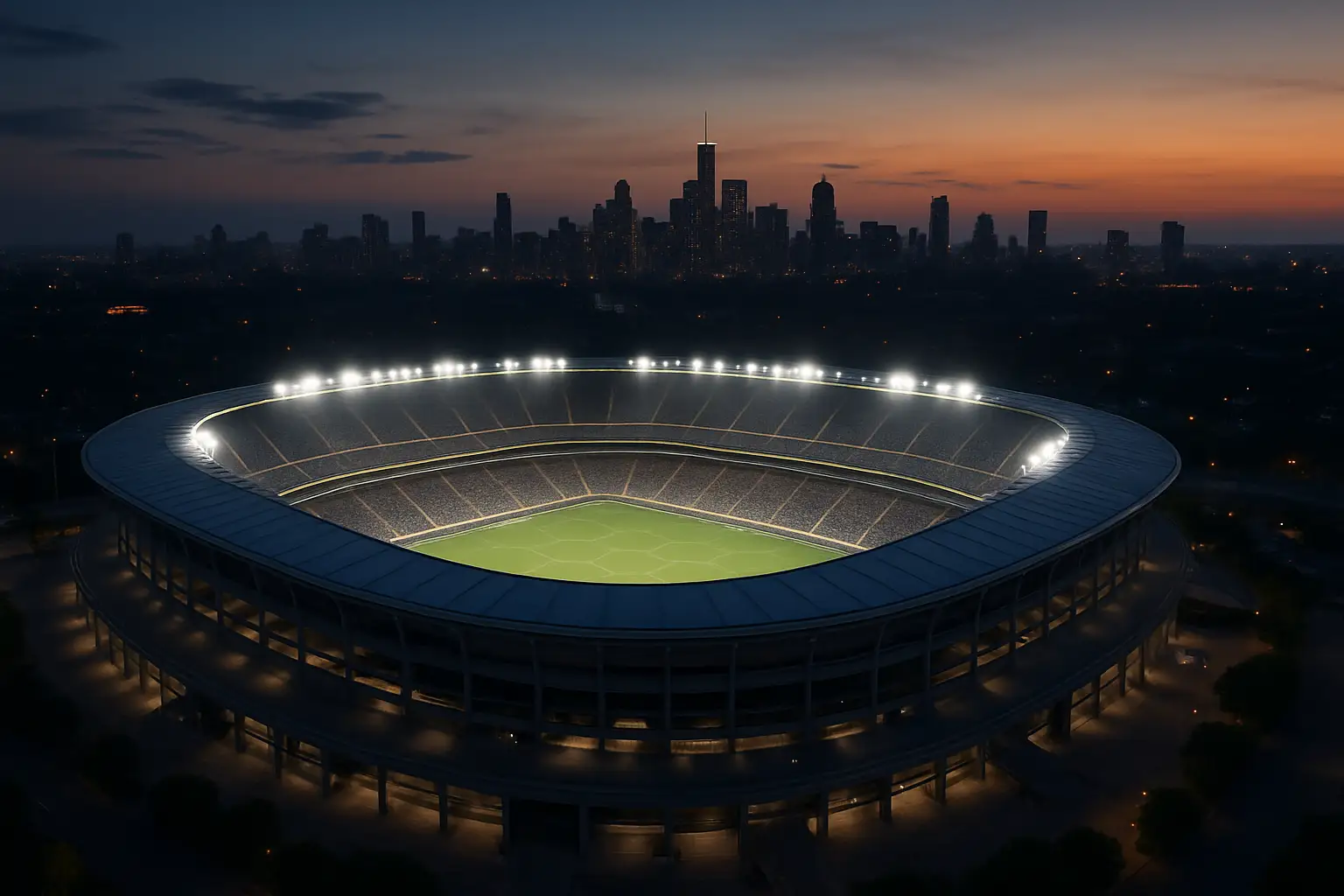
One of the clearest arguments for a quick return is sheer logistical capacity. The United States has a larger stock of FIFA-grade stadiums than almost any other country on the planet. Many of those venues will have just been upgraded or freshly certified for 2026 standards, meaning they won't need expensive retrofitting again for years.
FIFA's financial relationship with the American market is also a major driver. The US television and sponsorship market generates revenue that no other single country can match. Broadcasters and corporate partners with enormous US-facing audiences push FIFA toward keeping the tournament in North America whenever possible. Hosting in the US means maximum commercial return, and FIFA's decision-making has historically followed the money.
Beyond stadiums and sponsors, the organizational infrastructure that comes together for 2026 - local organizing committees, volunteer networks, transport logistics, security frameworks - doesn't simply disappear after the final whistle. That institutional knowledge stays in place and makes a future bid far cheaper and faster to assemble than starting from scratch.
Growing Domestic Fan Base and Soccer's US Momentum
Soccer's footprint in the United States has grown substantially over the past decade. Major League Soccer has expanded to 30 clubs. Attendance at top MLS matches regularly fills large NFL stadiums. Youth participation in soccer remains among the highest of any sport in the country, and the pipeline of American players reaching top European leagues has widened considerably.
All of that matters to FIFA because it signals a long-term audience, not just a temporary spike of interest around a tournament. Hosting rights are partly about leaving a legacy of growth in the sport, and the US trajectory gives FIFA confidence that investment there pays off over time.
The women's game adds another layer. The United States Women's National Team is one of the most commercially valuable properties in world football. Hosting future editions of the FIFA Women's World Cup in the US is a near-certainty, and each time that happens it keeps American venues, broadcasters, and organizing bodies in practice for the men's tournament as well.
What Would Need to Happen for a Rapid Return
FIFA's hosting rotation is not set on a rigid calendar. Bids are evaluated on merit, financial guarantees, and political considerations. If a competing bid from another region collapses, withdraws, or is disqualified - as has happened before - the US is almost always positioned to step in with a credible alternative.
Regional rotation also plays a role. FIFA generally avoids hosting consecutive tournaments on the same continent, but North America is considered a distinct region from South America, and the 2030 World Cup is already set for a multi-continent format. That clears the path for a North American bid to be competitive again by 2034 or shortly after, depending on how FIFA structures its future allocations.
Political goodwill between US soccer authorities and FIFA leadership is currently strong, particularly as the 2026 preparations proceed smoothly. That relationship matters when closed-door conversations about future tournaments begin.
The combination of unmatched commercial scale, ready infrastructure, a growing domestic audience, and an experienced organizing class makes the United States one of the most attractive repeat hosts in World Cup history. The gap between 1994 and 2026 was 32 years. The next wait could be considerably shorter.


Football Correspondent
Alex covers football and the global game with fast, sharp analysis.