Win Your Fantasy Football Draft by Tracking Missing Touches
Targeting running backs and receivers who are missing touches could be the sharpest edge you bring to your fantasy football draft this season.


The Draft Strategy Most Players Overlook
Winning your fantasy football draft does not come down to memorizing rankings or loading up on last year's top scorers. According to reporting from the Anchorage Daily News, one of the most effective approaches heading into draft season is identifying players who are missing touches, meaning those who are getting less work than their talent or situation warrants.
The idea is straightforward. When a player's touch count, carries, targets, or receptions drops below what you would expect given their role, their price in a draft tends to fall with it. Savvy drafters exploit that gap.
What "Missing Touches" Actually Means
In fantasy football, touches are the currency of production. A running back who carries the ball 20 times a game is far more valuable than one who sees eight carries, even if both players have similar yards-per-carry averages. The same logic applies to wide receivers and tight ends, where target share drives everything.
Missing touches can show up for several reasons. A player might have dealt with an injury that limited snaps late in the prior season. A new offensive coordinator may have shifted the scheme away from a particular player type. A backup might have eaten into a starter's workload at an inopportune time, artificially deflating the starter's final stats.
The key for drafters is to separate a real, lasting change in role from a temporary dip. If a running back lost touches because of a short-term injury but returns to a scheme that fits his skill set, his average draft position may still be suppressed heading into the new season. That is the window.
How to Apply This to Your Draft Board
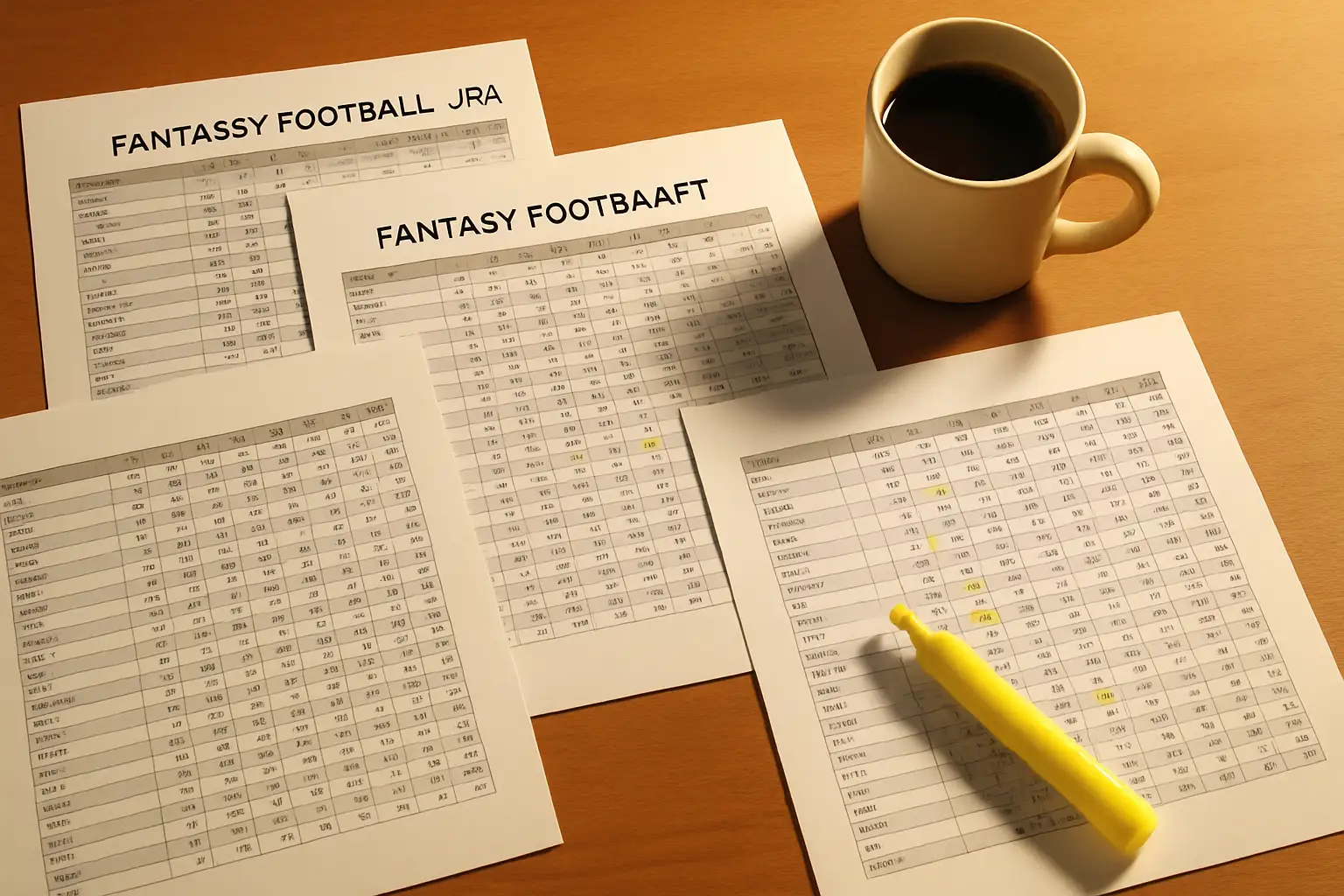
Before your draft, pull up workload data from the previous season. Look at targets, carries, and snap percentages for skill-position players. Then ask a simple question: does this player's draft position reflect his true role, or is it reflecting a down stretch that may not repeat?
Running backs are the most obvious place to apply this filter. If a starter missed four games and a handcuff filled in, the starter's raw touch numbers will look lower than his actual value. Draft boards often do not fully adjust for that context, which creates real value in the middle and late rounds.
Wide receivers are worth scrutinizing too. A receiver who posted low target numbers while playing through a nagging hamstring issue may see a significant jump in targets once healthy and operating as a true No. 1 option. Target share is one of the most stable predictors of fantasy production from year to year, so any receiver whose share took an unexplained dip is worth a closer look.
Tight ends follow the same logic. The position is volatile, and any established starter who lost touches due to injury or scheme but returns to a pass-heavy offense may be undervalued relative to where he gets drafted.
Building Your Edge Before Draft Day
The fantasy football draft is as much about research as instinct. Tracking missing touches requires a bit of extra work before draft day, but that preparation tends to pay off across a full season.
Start by reviewing depth charts as they stand now, not as they were at the end of last year. Personnel changes, new coaching hires, and offseason transactions all affect who gets touches. A player who was buried behind a veteran last season may now be the clear starter, and his draft price may not yet reflect that reality.
Also pay attention to preseason reports. Beat reporters and team insiders often flag when a player is getting more first-team reps than expected or when a projected starter looks healthy after an injury-shortened year. Those signals feed directly into the missing-touches framework.
The Anchorage Daily News highlighted this method as a way to gain a real competitive advantage over opponents who rely solely on name recognition or prior-year box scores. Fantasy drafts reward the drafter who can see past the surface numbers and identify where production went missing and why.
Position scarcity matters too. If you are targeting a running back whose touch count dropped because of injury, make sure the injury risk is manageable going forward. Missing touches from a chronic injury situation is a different problem than missing touches from a one-time setback.
The bottom line: before you lock in your rankings, spend time with workload data and ask where the production went. Chances are, that is exactly where your next sleeper pick is hiding.


Football Correspondent
Alex covers football and the global game with fast, sharp analysis.