World Cup Half-Time Show: Stars, Muppets and Mixed Reviews
The World Cup half-time show drew a star-studded lineup and plenty of spectacle, but reaction has been far from unanimous, with critics questioning whether football fans wanted it at all.


A Show Nobody Ordered, But Everyone Got
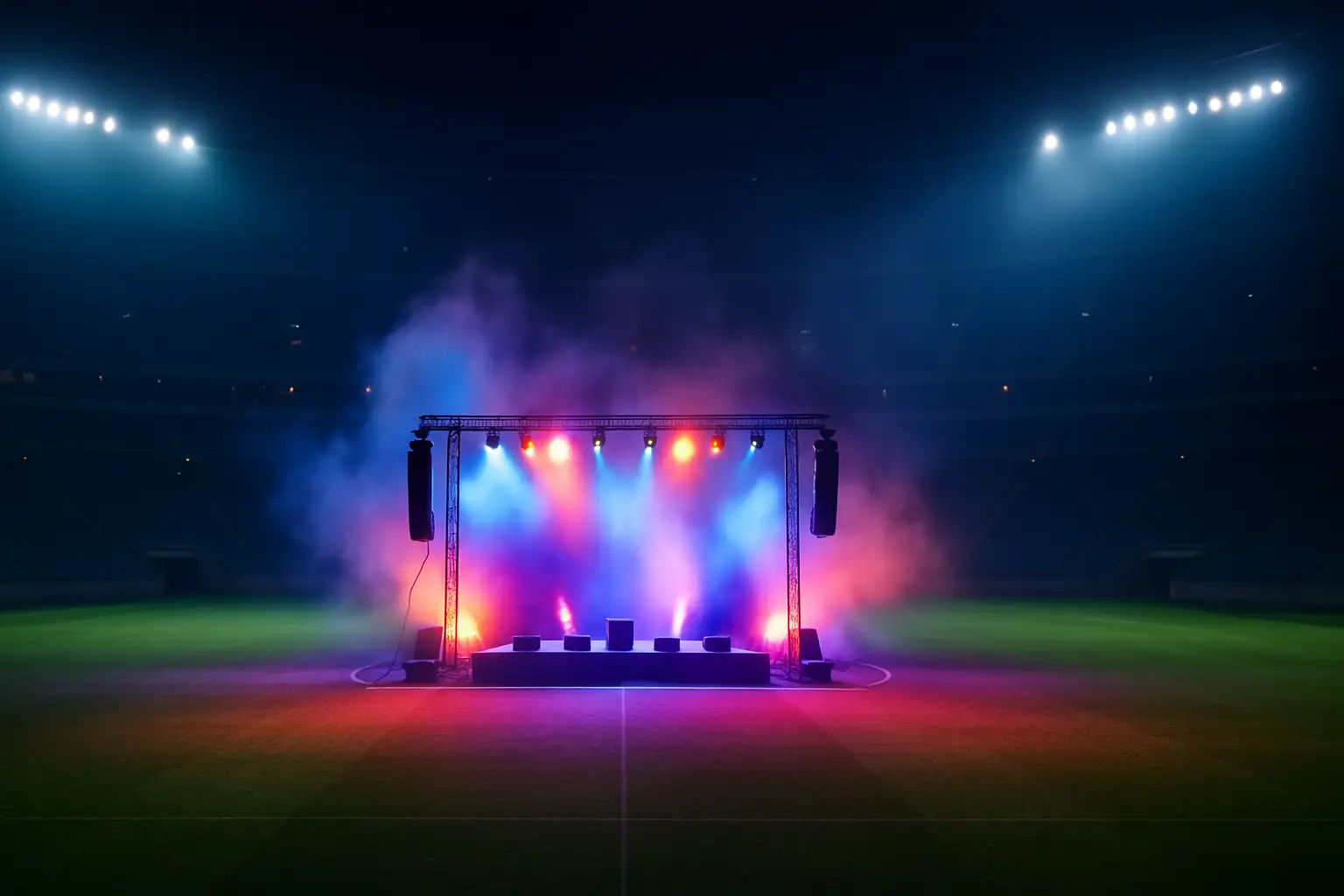
The World Cup half-time show has arrived, and it brought celebrities, production budgets and, apparently, the Muppets. Reaction has been split, with The Guardian among outlets questioning whether the elaborate entertainment segment fits a football tournament at all.
Half-time in football has always been simple: players rest, managers talk tactics, fans grab a drink. Stretching that window into a choreographed pop spectacle is a tradition borrowed from American sport, and it does not sit easily with everyone in the football world.
The show featured a range of performers, described by The Guardian as star-studded, though the inclusion of the Muppets raised eyebrows and generated much of the social media chatter. Whether that chatter was affectionate or baffled depended entirely on who you asked.
What Worked and What Fell Flat
According to The Guardian's coverage, the show had genuine hits alongside clear misses. Some performances landed well and generated positive crowd noise inside the stadium. Others struggled to connect, partly because the half-time window in football is short compared to the extended breaks in American sports where this format was built.
The Muppets, beloved as they are in certain contexts, became something of a lightning rod. Placing puppet characters in the middle of a serious football tournament struck many viewers as an odd editorial decision, even if the execution had its charm.
Production values appeared high, which is standard for a FIFA-backed event at this scale. The organisation has invested heavily in making the tournament feel like a global entertainment property rather than purely a sporting competition. That ambition is clear, but not every football supporter wants their sport packaged that way.
Football vs. Entertainment
The tension at the heart of this debate is not new. FIFA has consistently pushed to broaden the World Cup's appeal beyond traditional football audiences, particularly in host nations where the sport does not dominate culture. A half-time show with recognisable names and spectacle serves that goal.
For core supporters, though, the interval is a functional break. Many inside stadiums use it to move around, talk about the game, or simply decompress. A choreographed show on the pitch interrupts that rhythm and can feel imposed rather than organic.
The Muppets angle in particular signals a family-friendly, broadly accessible positioning that may resonate with casual viewers watching at home but sits awkwardly for fans inside the ground who came specifically for football.
The Guardian's framing of the show as something "nobody asked for" captures that disconnect neatly. It does not mean the performances were without merit, only that the audience for this kind of spectacle and the audience watching a World Cup match are not always the same group.
What Comes Next
Whether FIFA doubles down on the half-time show format for future matches remains to be seen. A single outing generating mixed reviews is not necessarily enough to kill the concept, especially if broadcast numbers and social media engagement tell a different story from the critical response.
Tournaments at this scale are increasingly designed as much for streaming audiences and highlight packages as for people in the seats. A shareable, visually striking half-time segment serves the content machine even if it irritates purists.
For now, the show has done what these things usually do: generated conversation. Whether that conversation is the kind FIFA wanted is a separate question entirely.


Football Correspondent
Alex covers football and the global game with fast, sharp analysis.