World Cup Launches a Decade of Major Championships on U.S. Soil
The 2026 FIFA World Cup marks the start of a historic run of global sports championships set to be hosted across the United States over the next ten years.
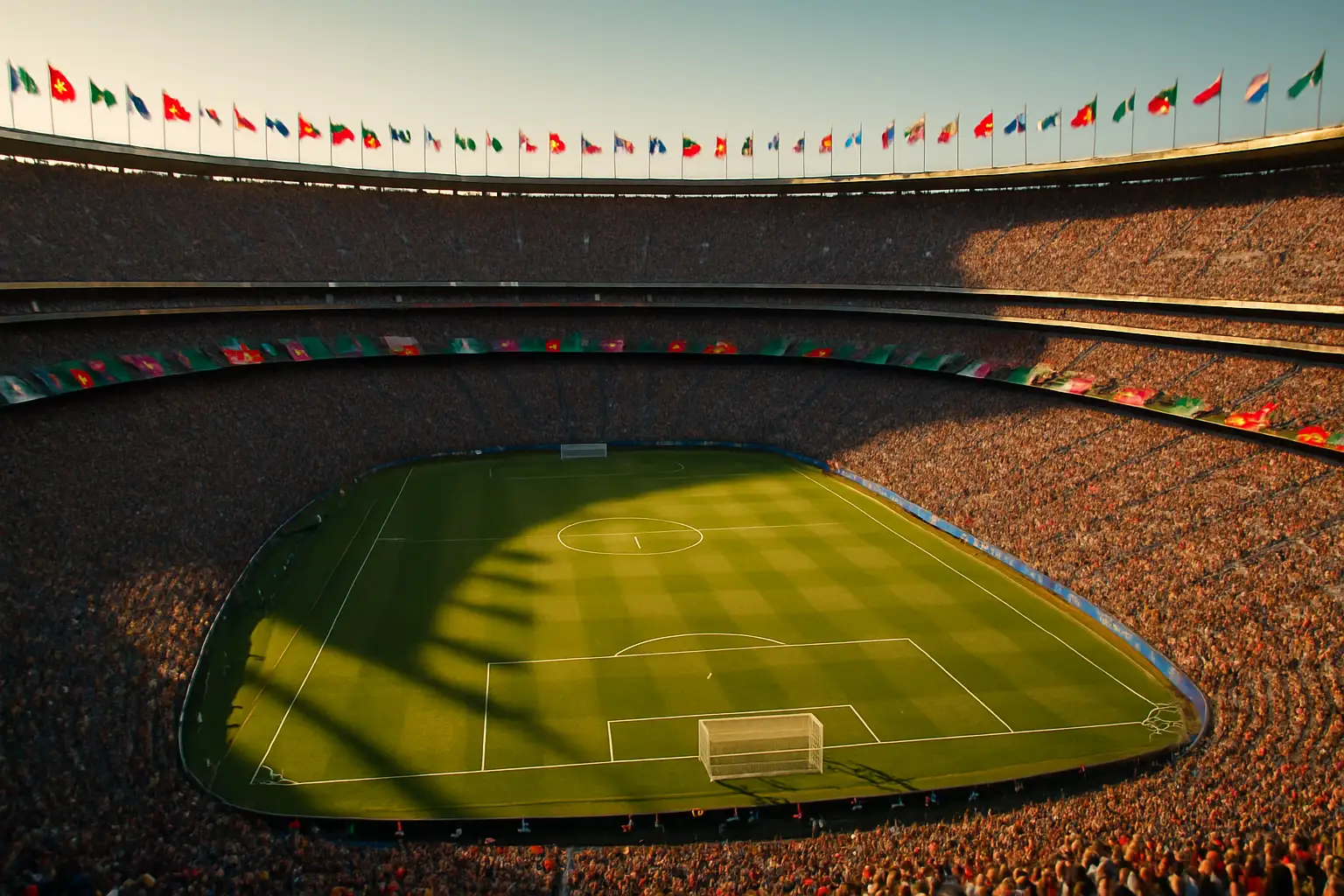


The 2026 FIFA World Cup is more than a single tournament. According to reporting by Forbes, it represents the opening act of a remarkable decade-long stretch of major world championships scheduled to take place across the United States, a run that will reshape American sports culture and test the country's infrastructure at an unprecedented scale.
The United States, co-hosting the 2026 edition alongside Canada and Mexico, is set to stage the bulk of the matches across 11 American cities. That alone would be a landmark moment. But the World Cup appears to be the first in a series of global sporting events converging on American soil through the mid-2030s.
A Historic Window for U.S. Sports Hosting
The United States has long been a destination for big-ticket sporting events, but the coming decade raises that to a different level. The 2026 World Cup will be the largest in FIFA history, featuring 48 national teams instead of the traditional 32. That expansion means more games, more host cities under pressure, and far greater economic activity tied to international visitor spending.
Forbes highlighted the broader significance of this moment, framing the World Cup not as a standalone occasion but as the starting point of a concentrated period in which the U.S. will hold a central role in global sport. The scale of investment in venues, transportation, and tourism infrastructure tied to these events is expected to be substantial.
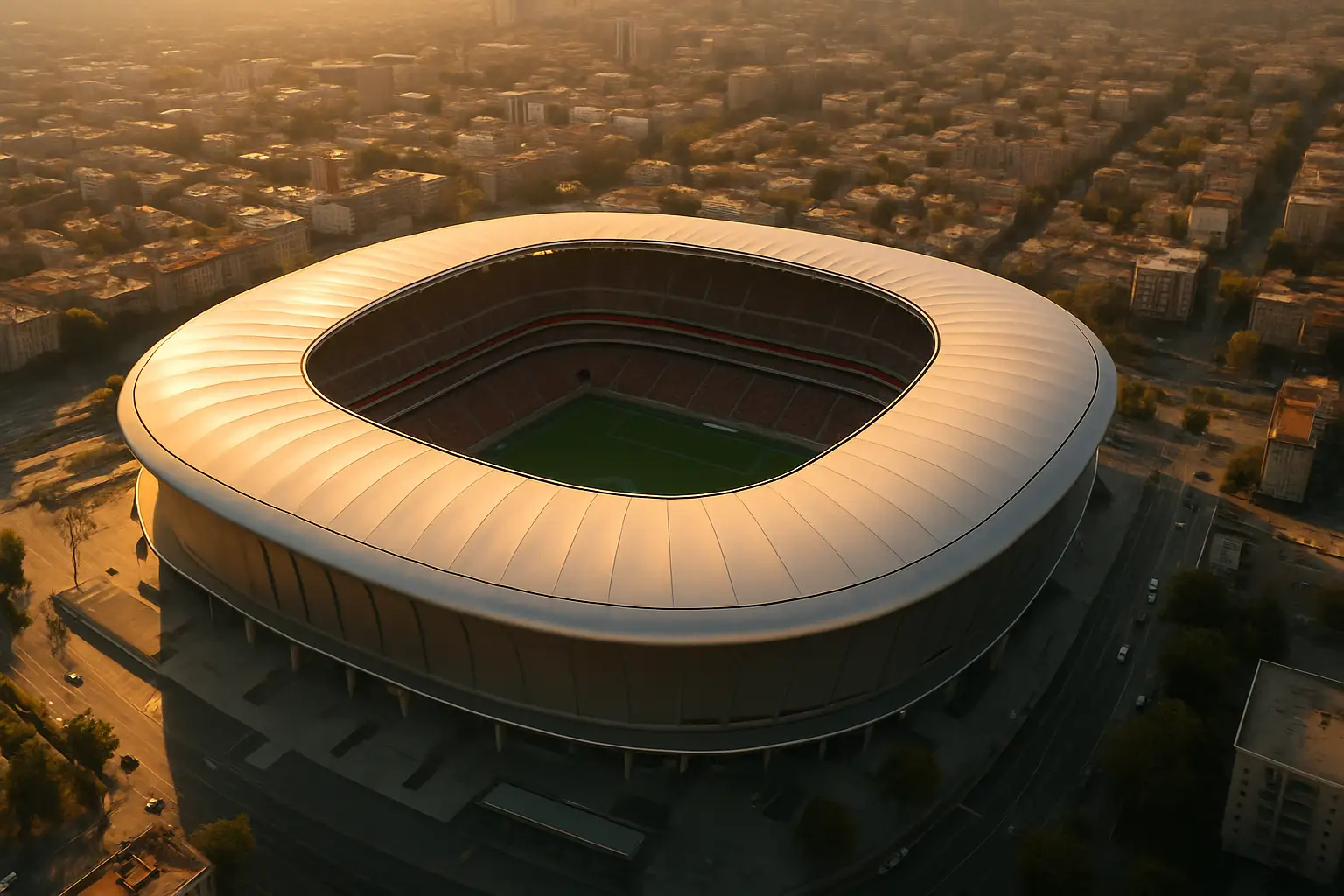
For American football fans specifically, the arrival of the World Cup signals something that felt distant for decades. Soccer's biggest stage is coming to stadiums that were built for the NFL, which creates a unique dynamic. Venues like MetLife Stadium in New Jersey and AT&T Stadium in Texas will be converted for international football, bringing world-class matches to cities with deep sports traditions but limited prior exposure to elite soccer.
What This Means for Football's Growth in America
The 2026 World Cup gives soccer in the United States a platform it has never had at home. Hosting in 1994 helped launch Major League Soccer. Hosting again, with a far larger tournament and a country where the sport has grown considerably since then, carries even more potential.
Youth participation in soccer in the U.S. is among the highest of any sport. The professional game, through MLS and the growth of women's soccer, has built a genuine domestic following. A successful World Cup on home soil, with deep community investment across 11 cities, could accelerate that trajectory sharply.
The tournament also arrives at a moment when the U.S. men's national team is rebuilding with a young core of players, several of whom compete at top European clubs. Performing well on home soil, in front of packed stadiums, would give the sport a narrative push that marketing alone cannot buy.
Infrastructure, Economics, and the Road Ahead
Organizing a 48-team World Cup across three countries is a logistical challenge without modern precedent. American host cities range from Miami and Los Angeles to Seattle and Boston, each with different stadium situations, transportation networks, and capacities for handling international crowds.
The economic stakes are significant. Major international tournaments of this scale generate billions in direct and indirect spending. Hotels, airlines, local businesses, and broadcast rights all factor into the financial picture. American cities that have competed fiercely for the right to host matches are now preparing for the full weight of that responsibility.
Beyond 2026, the decade Forbes described as pivotal continues with additional global championships reportedly lined up for U.S. venues. Each event builds on the last in terms of infrastructure readiness, public familiarity with international sport, and the commercial ecosystem that surrounds it.
The 2026 World Cup, then, is a beginning. It sets the tone for how the United States handles its new role as a recurring host of the world's biggest sporting moments. How well cities perform, how smoothly operations run, and how enthusiastically American audiences engage will all shape what comes next in this broader decade of global sport on U.S. soil.


Football Correspondent
Alex covers football and the global game with fast, sharp analysis.